Hotels by Trip.com
Flights by Trip.com
Spanning over 263,000 hectares (650,000 acres), Cherokee National Forest Tennessee ranks as the largest tract public land in the state and contains more hiking trails than any other single recreation area in Tennessee. This massive wilderness stretches across two distinct sections, offering visitors an incredible diversity of landscapes rarely found in one national forest.
The forest takes its name from the Cherokee people who inhabited these Appalachian Mountains for centuries before European settlement. Their deep connection to this land remains evident in place names, archaeological sites, and the enduring natural beauty they helped preserve.
Whether you seek challenging mountain hikes, peaceful riverside camping, thrilling whitewater adventures, or simply a quiet escape into nature, Cherokee National Forest delivers experiences that rival the more famous Great Smoky Mountains National Park next door. With fewer crowds and equally stunning scenery, this hidden gem deserves a prominent spot on every outdoor enthusiast’s travel list.
Getting There and Planning Your Journey
Cherokee National Forest sits in eastern Tennessee along the North Carolina border. The forest divides into two main sections separated by Great Smoky Mountains National Park.
The northern section centers around the towns of Elizabethton and Johnson City. The southern part extends from Cleveland to the Georgia border.
Closest Airports
Tri-Cities Airport (TRI) in Blountville serves the northern section, located approximately 48 km (30 miles) from many popular trail access points. This regional airport offers connections through major hubs.
McGhee Tyson Airport (TYS) in Knoxville provides broader flight options for visitors exploring the southern areas. The airport sits roughly 80 km (50 miles) from major recreation sites in the southern district.
Chattanooga Metropolitan Airport (CHA) works well for those planning to explore the southwestern portions of the national forest. The drive typically takes 60-90 minutes depending on your final destination.
Most visitors rent vehicles at these airports since public transportation within the forest remains extremely limited. A reliable car proves essential for accessing remote trailheads and campgrounds.
Best Time to Visit and Weather Tips
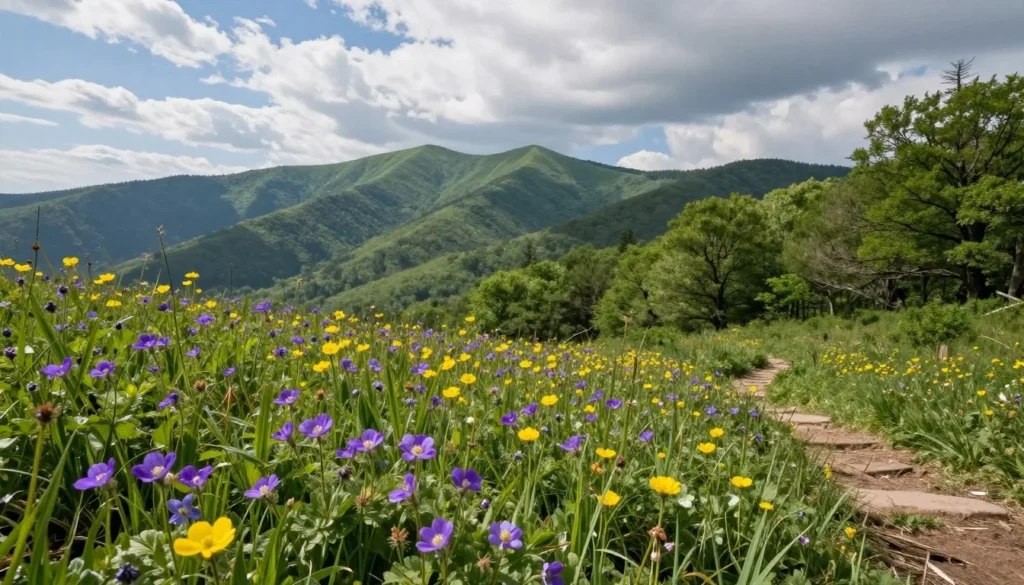
Best Time to Visit Cherokee National Forest
Spring months from April through May bring spectacular wildflower displays across the forest trails. Temperatures range from 10°C to 21°C (50°F to 70°F), creating ideal hiking conditions. Waterfalls flow at peak volume from winter snowmelt and spring rains.
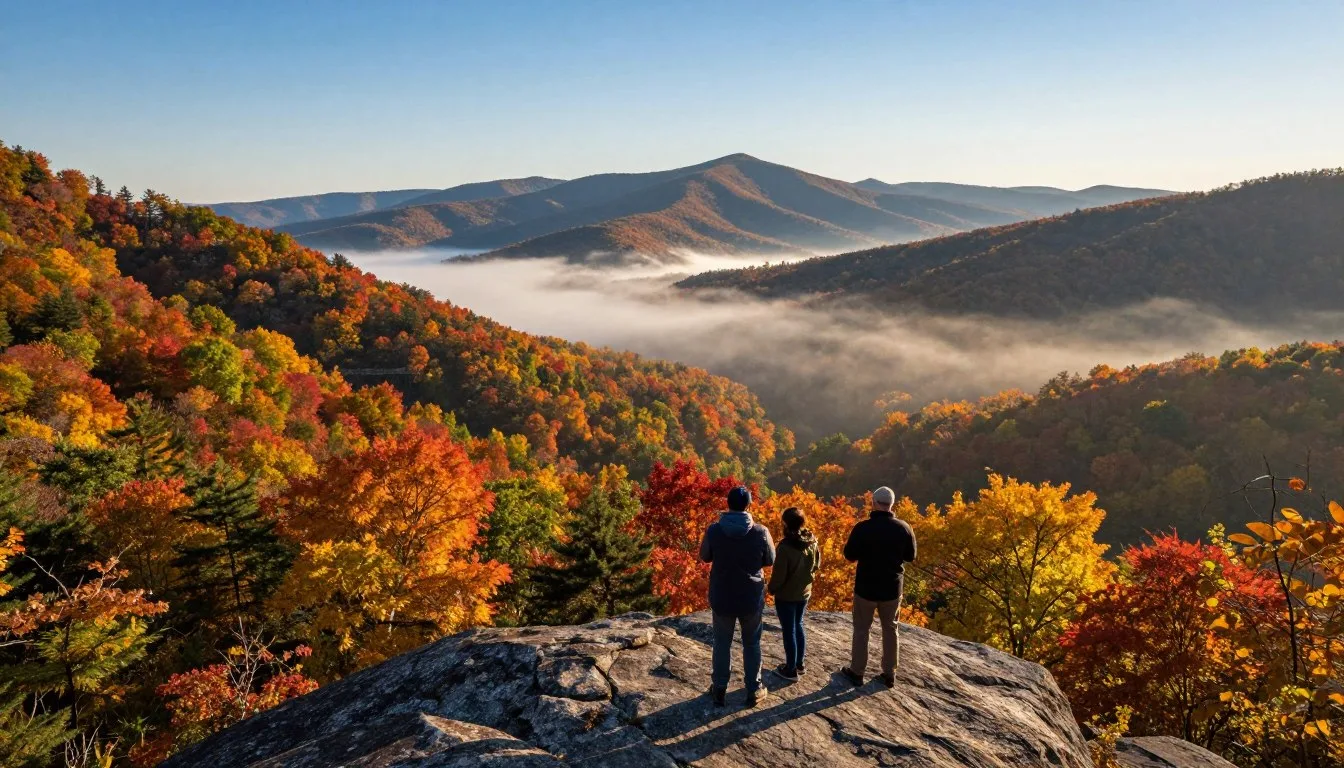
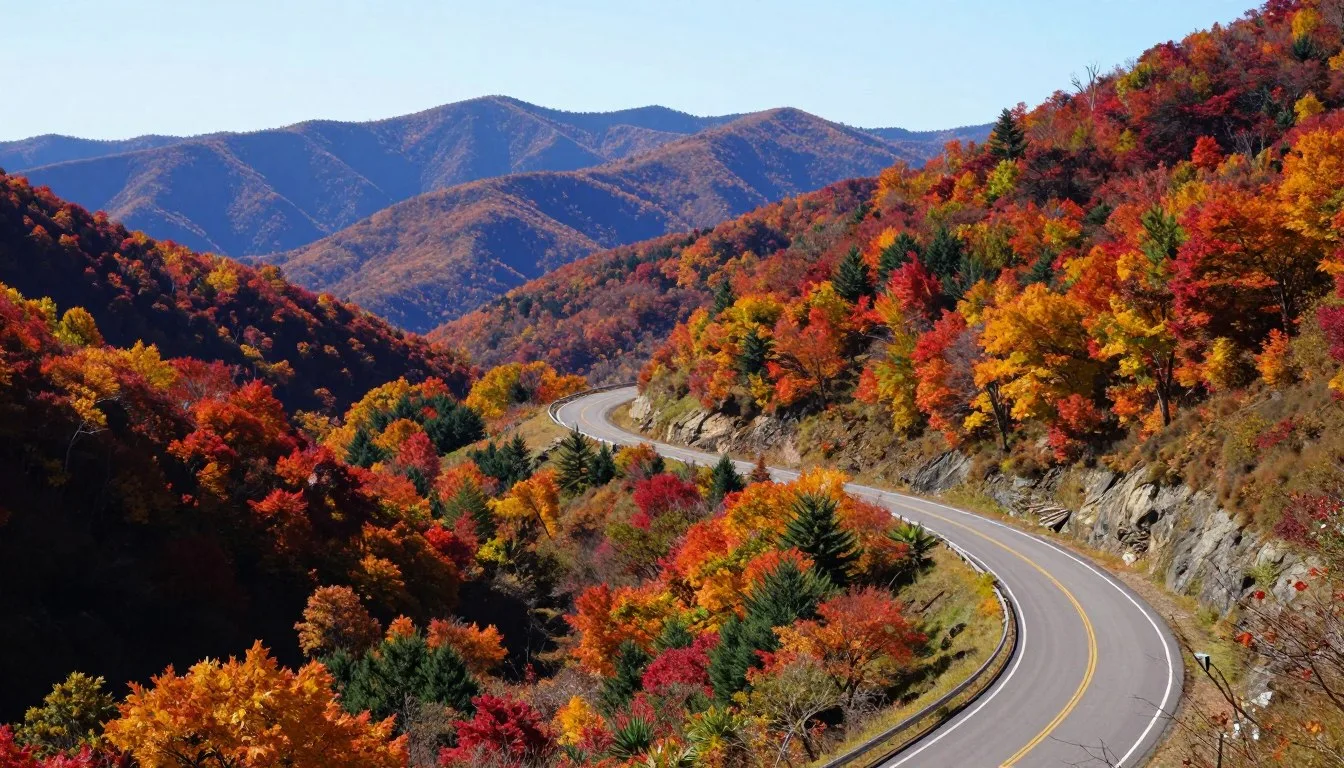
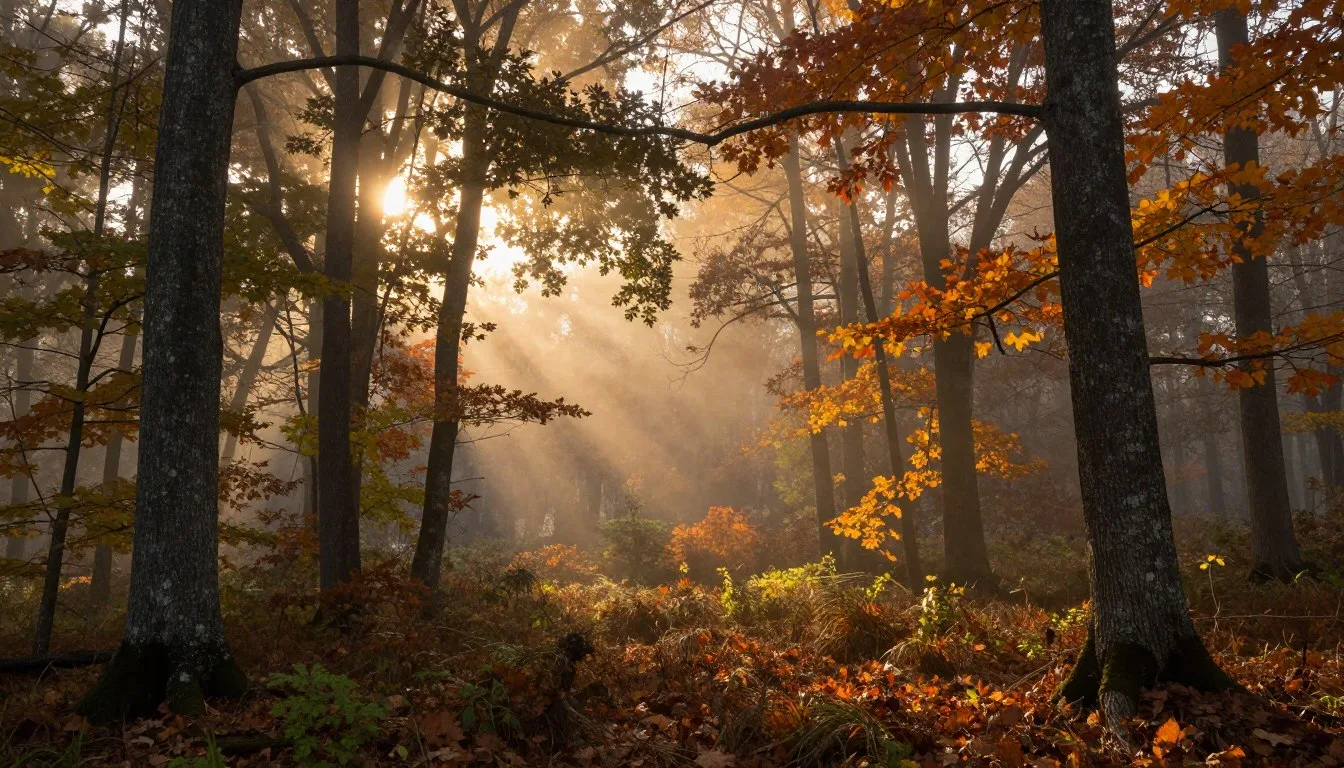
Fall colors peak between mid-October and early November depending on elevation. The vibrant autumn foliage rivals any place in the country. Comfortable temperatures between 13°C and 21°C (55°F and 70°F) make this the most popular season for visitors.
Summer from June through August offers warm weather perfect for water activities on the Ocoee River and other streams. Expect temperatures of 21°C to 29°C (70°F to 85°F) in valleys, cooler at higher elevations. This period sees the highest visitor traffic.
Months to Avoid
Late winter months of January and February can bring ice storms that close roads and make trails dangerous. Many facilities shut down during this period.
Late November through December often brings unpredictable weather with sudden temperature drops. Hunting season also peaks during these weeks, requiring extra caution in certain areas.
Weather Considerations
Mountain weather changes rapidly throughout the year. Always pack layers regardless of season. Afternoon thunderstorms develop frequently during summer months.
Elevation differences create temperature variations of 5°C to 8°C (10°F to 15°F) between valleys and mountaintops. Higher elevations receive significantly more precipitation than lower areas.
Notable Annual Festivals
The Appalachian Fair takes place each August in Gray, Tennessee, celebrating regional culture with traditional music, crafts, and agricultural exhibits. The event attracts thousands of visitors to the area surrounding the northern forest section.
Ramp Festival occurs each April in Cosby, Tennessee, honoring the wild leek that grows abundantly in these mountains. This quirky celebration features ramp-eating contests and traditional Appalachian music. Contact Cosby Community Center for details.
Fall Heritage Festival happens every October in multiple towns bordering the forest. Artisans demonstrate traditional crafts including blacksmithing, basket weaving, and pottery. Local vendors sell handmade goods and regional food specialties.
Cherokee National Forest hosts ranger-led programs throughout summer months. These free events include guided nature walks, evening campfire programs, and educational presentations about forest ecology and history.
Getting Around Locally
Personal vehicles provide the only practical transportation within Cherokee National Forest. The forest encompasses such a vast area that distances between trailheads, campgrounds, and towns often exceed 32 km (20 miles).
Forest roads vary significantly in quality. Main access routes receive regular maintenance and remain passable for standard vehicles. Secondary roads may require high-clearance vehicles, especially after heavy rain.
Gas stations exist in border towns but rarely within the forest itself. Fill your tank before entering remote areas. Convenience stores in small communities offer limited supplies at higher prices than larger towns.
Cell phone coverage proves spotty throughout most of the forest. Download offline maps before your visit. Paper maps from ranger stations provide reliable backup navigation.
Several outfitters in nearby towns offer shuttle services for backpackers and through-hikers on the Appalachian Trail. These services prove valuable for multi-day treks requiring different start and end points.
Where to Stay
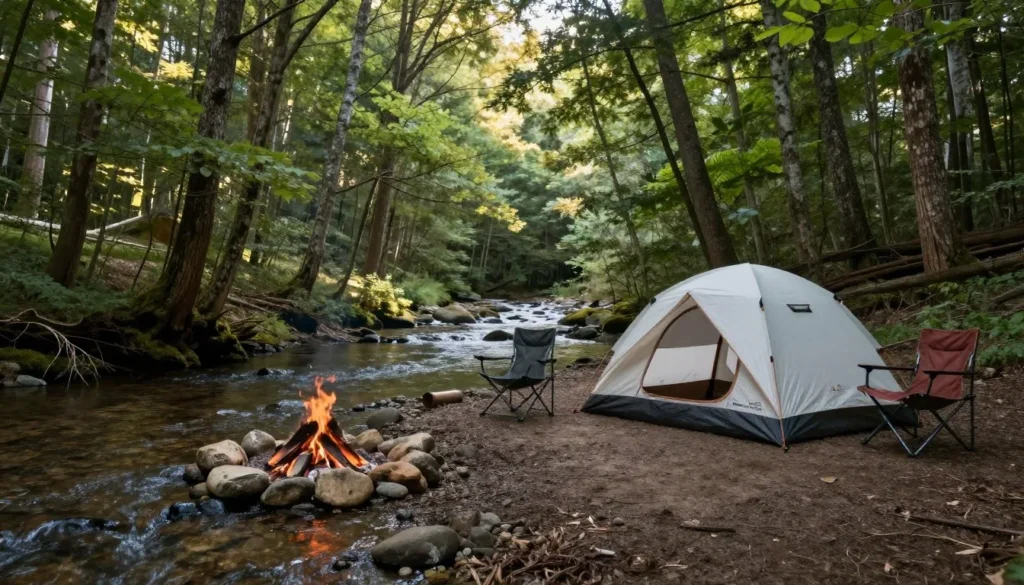
Campgrounds
Cherokee National Forest operates numerous developed campgrounds throughout both districts. These sites typically offer picnic tables, fire rings, and vault toilets. Most charge fees between $10-25 per night.
Rock Creek Recreation Area features a popular campground along a scenic river. The site provides easy access to swimming holes and fishing spots. Reservations become essential during peak summer weekends.
Dispersed camping remains permitted throughout most forest areas. Backcountry sites must sit at least 15 m (50 feet) from water sources and established trails. This option costs nothing but requires completely self-sufficient camping skills.
Cabins and Lodges
Several privately operated cabins dot the forest periphery. These rental properties range from rustic one-room structures to luxurious multi-bedroom lodges with modern amenities. Prices vary widely based on size and features.
Towns surrounding the forest offer traditional hotel accommodations. Elizabethton, Cleveland, and other border communities provide chain hotels with standard amenities. These locations work well as base camps for day trips into the forest.
Backcountry Options
Appalachian Trail shelters provide free overnight accommodation for through-hikers and section hikers. These three-sided structures offer basic protection from weather. Shelters operate on a first-come basis and often fill quickly during peak season.
Dining and Local Cuisine
No restaurants operate within the forest boundaries. Visitors must travel to surrounding towns for sit-down meals. This reality makes meal planning and grocery shopping essential preparation steps.
Elizabethton and Johnson City in the north offer the widest restaurant selection. Regional specialties include barbecue, country cooking, and traditional Southern breakfast fare. Several establishments serve locally raised trout.
Cleveland and other southern communities feature similar dining options. Family-owned restaurants often provide the most authentic regional cuisine and friendly service. Many establishments close on Sundays or early in the evening.
Pack-in meals work best for day hikes and camping trips. Grocery stores in border towns stock camping supplies and basic food items. Larger supermarkets in cities offer better selection and prices.
Fishing within the forest can supplement your meals with fresh trout. Tennessee fishing licenses are required and available at sporting goods stores and online. Certain streams have special regulations regarding catch limits and methods.
Attractions, Sightseeing and Activities
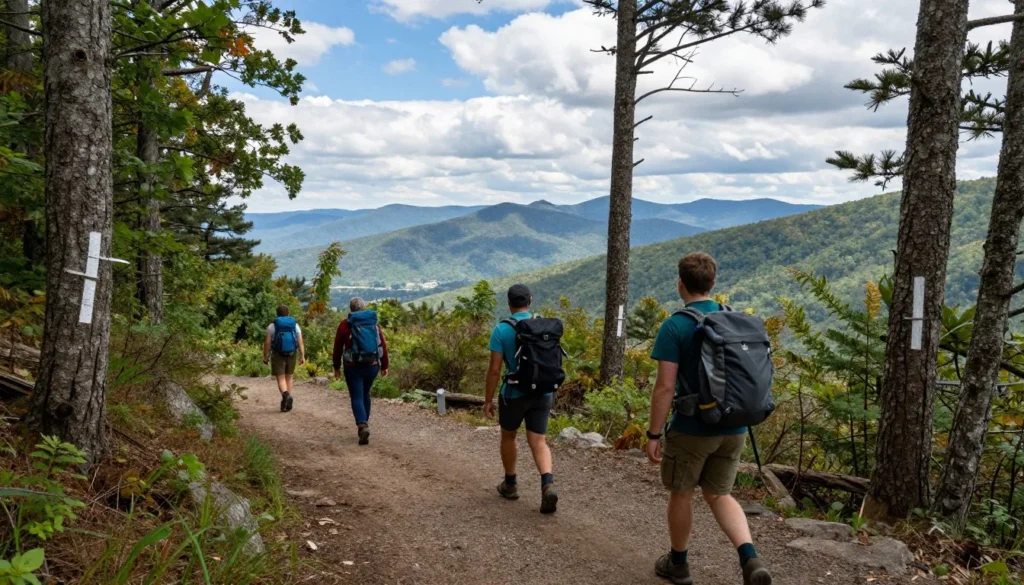
Hiking the Appalachian Trail
The legendary Appalachian Trail passes through Cherokee National Forest for approximately 229 km (142 miles). This section includes some of the trail’s most scenic and challenging segments in Tennessee.
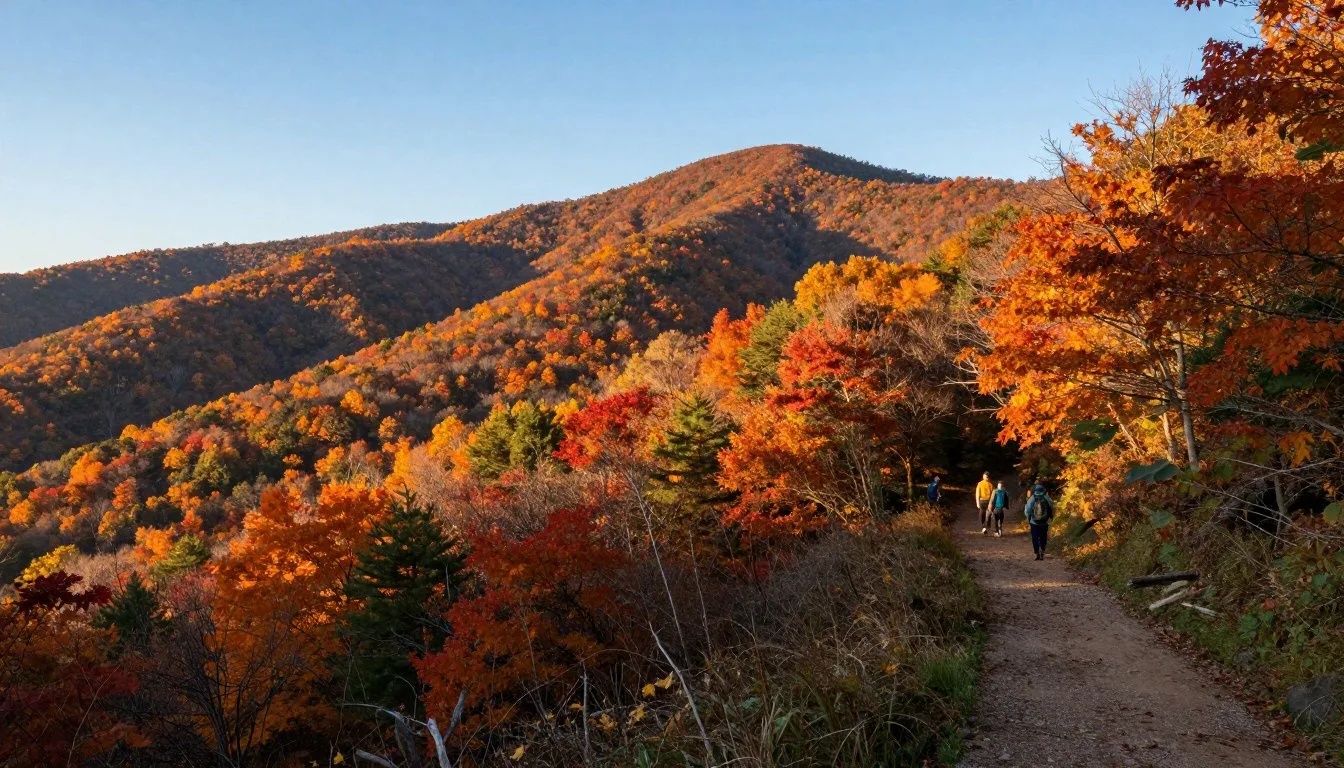
Day hikers can access numerous points along the trail for shorter excursions. Popular day hike destinations include views from Roan High Knob and the balds near Carvers Gap. These high-elevation areas offer 360-degree mountain panoramas.
Through-hikers typically pass through between March and May heading north or September through October going south. Trail towns near the forest provide resupply points and brief respites from wilderness travel.
Waterfall Exploration
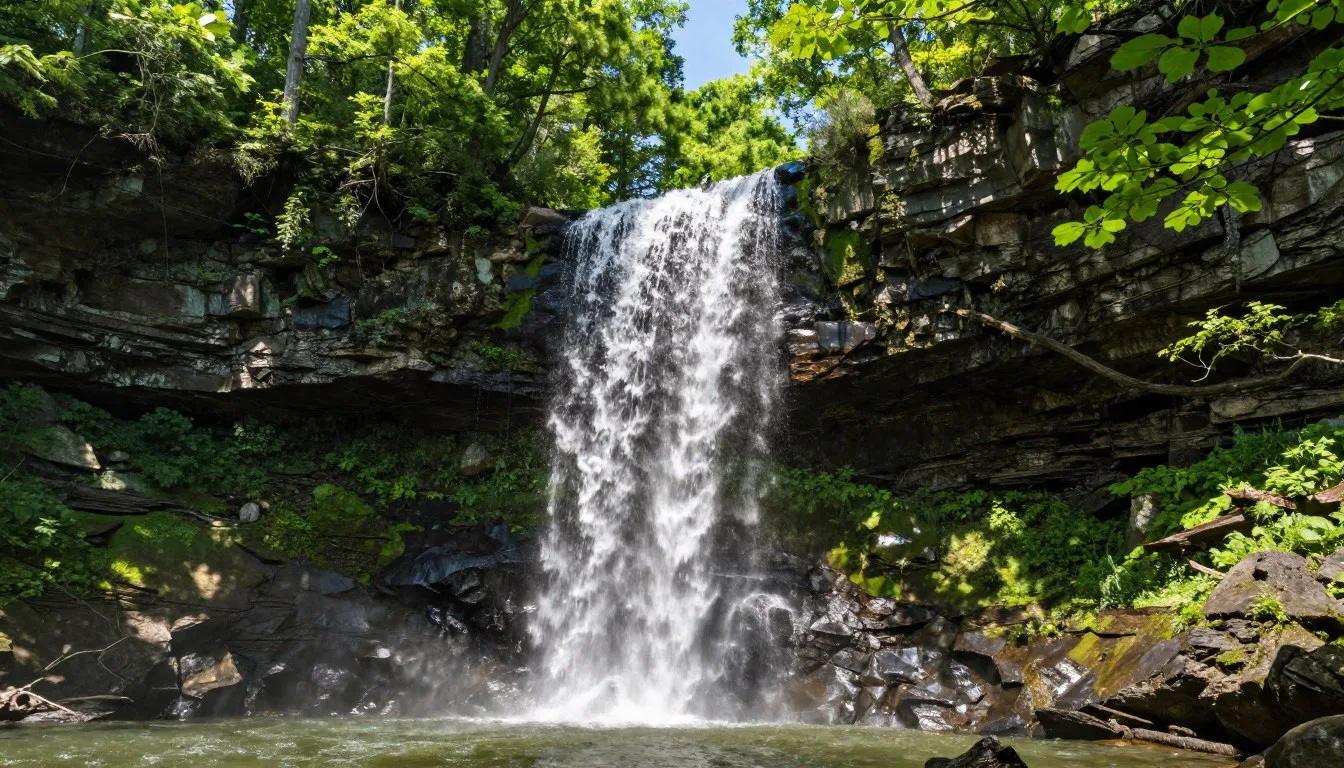
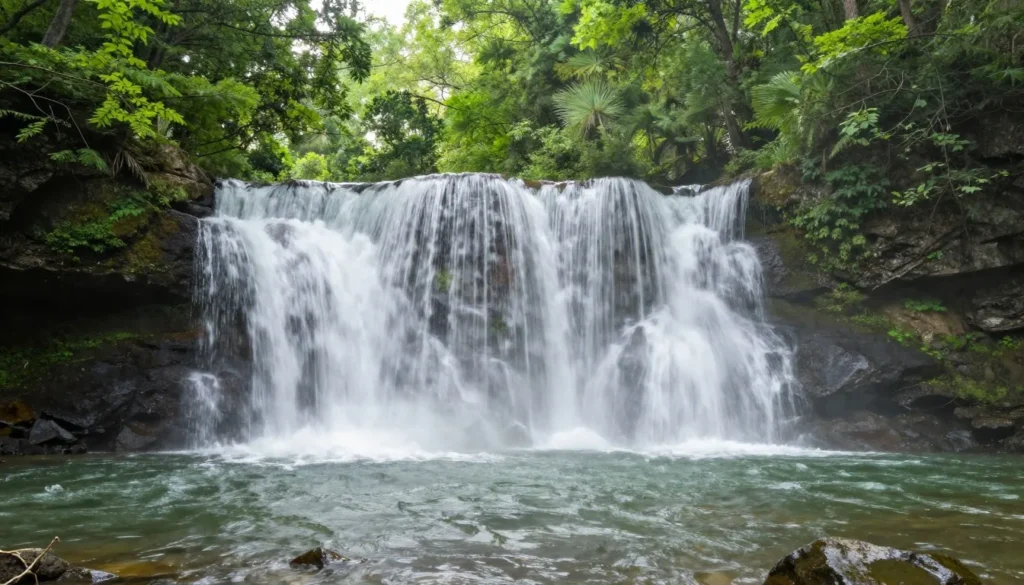
Bald River Falls ranks among the most photographed waterfalls in Tennessee. The 27 m (90 foot) cascade flows year-round with peak volume during spring. A short walking path from the parking area provides easy access for all visitors.
Laurel Falls requires a moderate 2.4 km (1.5 mile) round-trip hike. The trail follows an old roadbed through forest before reaching the impressive two-tiered falls. This area sees heavy traffic during peak season.
Numerous smaller waterfalls hide along backcountry trails. These lesser-known cascades reward adventurous hikers willing to explore beyond the popular sites. Many remain unnamed and appear on few maps.
Scenic Drives
The Cherohala Skyway connects Tennessee and North Carolina across the southern portion of the forest. This 69 km (43 mile) route climbs to elevations above 1,615 m (5,300 feet) with numerous scenic overlooks. The road typically remains open year-round except during winter storms.
Forest Service roads wind through remote sections accessible to standard vehicles during dry conditions. These routes offer solitude and wildlife viewing opportunities rarely found on main highways. Always check current road conditions before venturing onto unpaved routes.
Museums, Cultural Spots and Festivals
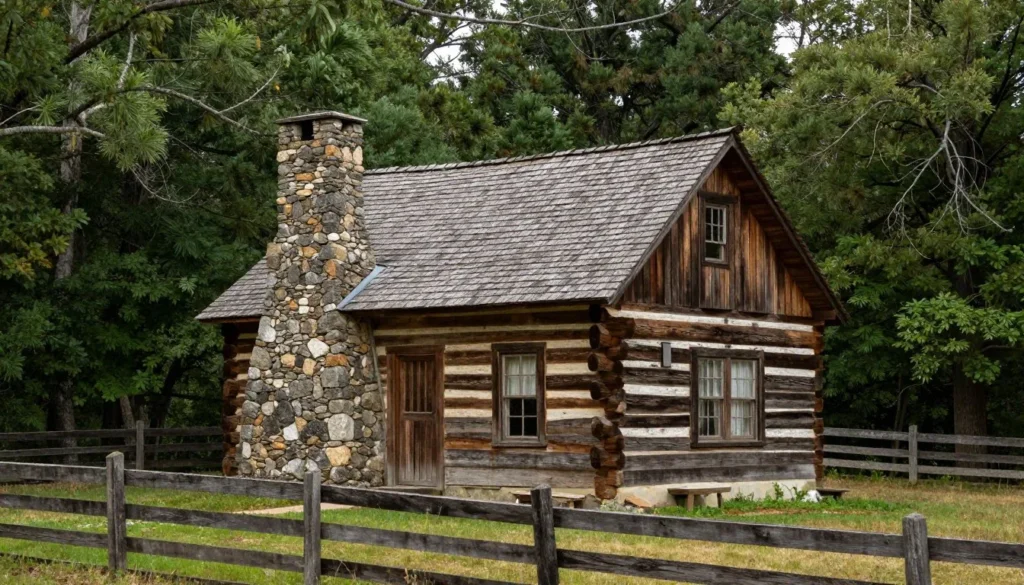
Sycamore Shoals State Historic Park sits just outside the northern forest boundary near Elizabethton. The site commemorates the Transylvania Purchase and the gathering place of the Overmountain Men. Living history demonstrations occur regularly during warmer months.
Several historic sites within the forest preserve remnants of early settlement. Old homestead foundations, abandoned mines, and historic cemeteries dot the landscape. Rangers lead occasional guided tours to these cultural resources.
The Museum of Appalachia in Clinton showcases regional culture and heritage. Though located outside the forest, this extensive collection provides valuable context for understanding the area’s human history. The museum hosts traditional music events throughout the year.
Cherokee removal routes passed through parts of this forest during the tragic Trail of Tears. Interpretive signs at certain locations tell these important stories. Respectful visitation helps preserve these significant historical sites.
Nature and Outdoor Experiences
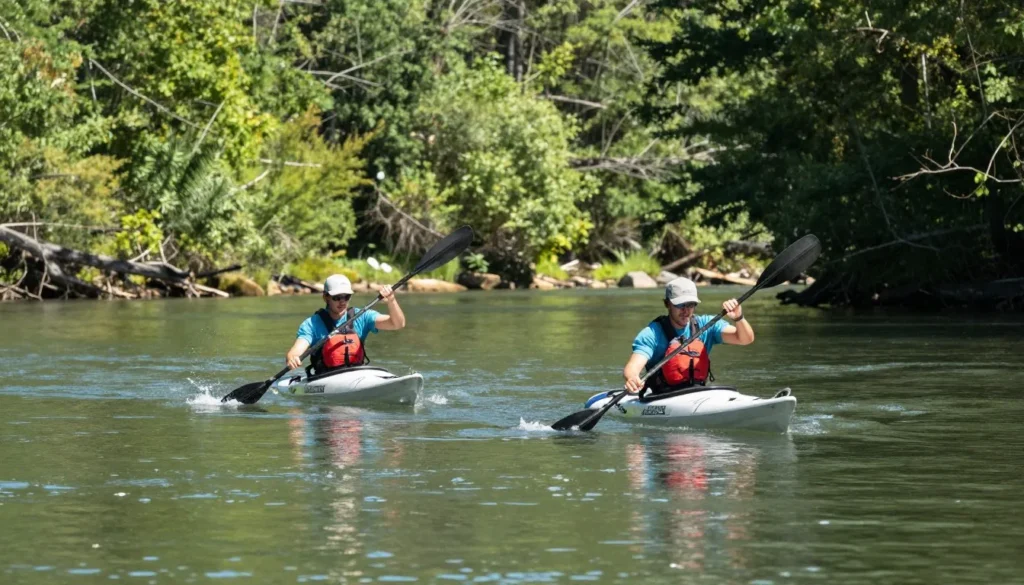
Whitewater Adventures
The Ocoee River hosted the 1996 Olympic whitewater events and remains one of America’s premier rafting destinations. Multiple outfitters operate along the river offering guided trips from May through September. Rapids range from Class III to Class IV difficulty.
The Hiwassee River provides gentler floating opportunities perfect for families and beginners. Scenic float trips showcase beautiful mountain scenery at a relaxed pace. This river also offers excellent trout fishing in designated sections.
Mountain Biking Trails
Chilhowee Recreation Area features an extensive network of mountain biking trails. Routes vary from gentle forest roads to technical singletrack. The area hosts regional mountain bike races attracting riders from across the Southeast.
Thunder Rock Campground serves as another excellent base for biking trails. Miles of interconnected paths wind through diverse terrain. Trail conditions vary seasonally with best riding typically in spring and fall.
Fishing Opportunities
Over 1,100 km (700 miles) of streams flow through Cherokee National Forest. Many waters hold wild and stocked trout populations. Brook trout inhabit the highest elevation streams while rainbow and brown trout dominate lower sections.
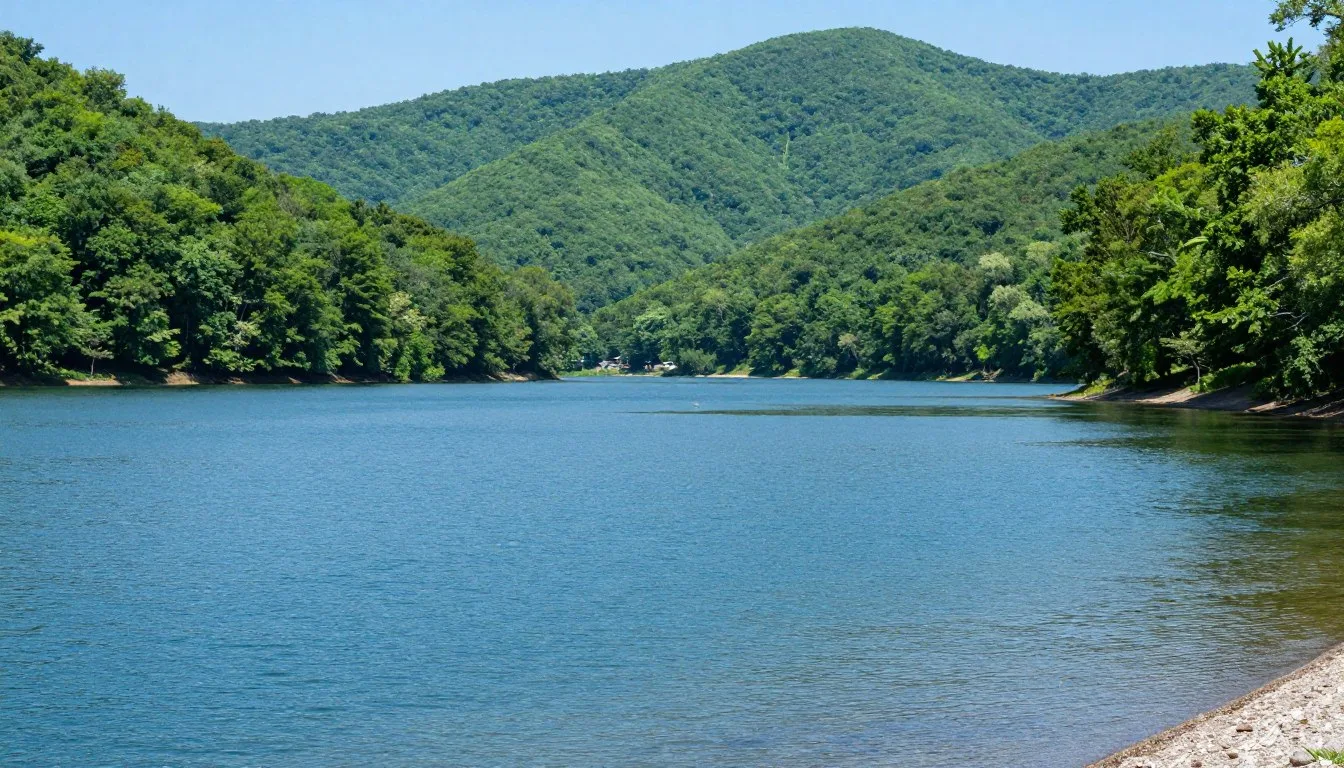
Watauga Lake and other impoundments offer warm-water fishing for bass, crappie, and other species. Bank fishing access exists at numerous points. Boat ramps accommodate anglers with watercraft.
Fishing regulations vary by water body and season. Check current Tennessee Wildlife Resources Agency rules before casting. Some streams require special permits or have catch-and-release restrictions.
Wildlife Watching
Black bears inhabit the forest in healthy numbers. Early morning and evening hours offer the best viewing opportunities. Maintain safe distances and properly store all food to avoid conflicts.
White-tailed deer, wild turkey, and numerous small mammals live throughout the forest. Bird watchers can spot over 150 species including several rare warblers. Spring migration brings exceptional birding opportunities.
Elk were successfully reintroduced to the region and occasionally wander into forest areas from nearby restoration zones. These majestic animals represent an important conservation success story.
Travel With Children

Many trails offer easy walks suitable for young children. The path to Bald River Falls requires minimal effort and rewards kids with an impressive waterfall view. Paved sections near developed campgrounds allow stroller access.
Junior Ranger programs operate at visitor centers during summer months. Children complete activity booklets to earn badges and certificates. These free programs teach forest ecology while keeping kids engaged.
Swimming holes along rivers provide natural water play opportunities. Designated swimming areas at recreation sites offer safer conditions than random stream access. Always supervise children closely near any water.
Shorter nature walks work better than ambitious hikes for families with small children. Plan frequent breaks and bring extra snacks. Many families find camping creates memorable bonding experiences.
Visitor centers feature educational displays about forest wildlife and ecology. Interactive exhibits help children learn about the environment. Rangers often tailor presentations to younger audiences.
Money Saving Tips
Most trails, overlooks, and natural attractions charge no entrance fees. Cherokee National Forest allows free access to the majority of areas. Only developed campgrounds and special recreation sites require payment.
Dispersed camping costs nothing for those with proper equipment and skills. This option eliminates campground fees while providing a more authentic wilderness experience. Follow Leave No Trace principles to protect these free camping areas.
Pack all meals and snacks from home rather than buying supplies in tourist towns. Border communities charge premium prices for camping food and supplies. Grocery shopping before arrival saves significant money.
Visit during shoulder seasons for better lodging rates in surrounding towns. Spring and fall offer excellent weather with lower hotel prices than peak summer months. Midweek stays typically cost less than weekends.
Free ranger programs provide entertainment and education without admission charges. Evening campfire talks, guided walks, and wildlife programs occur regularly during summer. Check bulletin boards at visitor centers for current schedules.
Fishing from shore eliminates boat rental expenses. Many productive fishing spots sit accessible from roads and trails. A Tennessee fishing license costs far less than guided fishing trips.
Safety and Local Customs
Wilderness Safety
Black bears require proper food storage and camp cleanliness. Use bear-proof containers or hang food at least 3.7 m (12 feet) high and 1.2 m (4 feet) from tree trunks. Never approach or feed bears.
Venomous snakes including timber rattlesnakes and copperheads inhabit the forest. Watch where you step and place your hands. Most snake encounters occur when people reach into areas they cannot see clearly.
Weather changes rapidly at higher elevations. Hypothermia remains a risk even during summer months. Pack extra layers and rain gear on every hike. Lightning poses serious danger during afternoon thunderstorms.
Water from streams must be treated before drinking. Giardia and other pathogens contaminate even clear-looking mountain water. Carry filtration systems, purification tablets, or boiling equipment.
Trail Etiquette
Hikers yield to horseback riders by stepping downhill off the trail. Mountain bikers yield to both hikers and horses. Uphill travelers have right-of-way over those descending.
Stay on established trails to prevent erosion and protect fragile vegetation. Shortcutting switchbacks damages hillsides and creates dangerous conditions. Muddy sections require walking through rather than around to avoid trail widening.
Local Respect
Many communities bordering the forest maintain traditional rural lifestyles. Respect private property boundaries and local customs. Some areas remain culturally conservative regarding dress and behavior.
Hunting occurs seasonally in designated forest areas. Wear bright orange clothing during fall and spring hunting periods. Stay on established trails and make noise while hiking.
Visitor Comments About Cherokee National Forest
“Cherokee National Forest exceeded every expectation. The trails were well-marked, the waterfalls absolutely stunning, and we saw more wildlife in three days than during our entire Smoky Mountains trip. Bald River Falls alone justified the visit. The lack of crowds made every experience feel personal and special.”
P.K., Daejeon
“We spent a week camping with our children at Rock Creek Recreation Area. The kids loved swimming in the river and exploring the nearby trails. Rangers were incredibly helpful and the Junior Ranger program kept our children engaged. This forest offers everything the famous parks do without the overwhelming crowds and commercialization.”
F.T., Bacolod
“As an experienced hiker, I found the Appalachian Trail section through Cherokee National Forest to be among the most scenic in the entire Southern Appalachians. The views from the high balds rival anything I have seen. The trail was challenging but well-maintained. I will definitely return for more exploration.”
L.B., Barranquilla
Additional Nearby Destinations
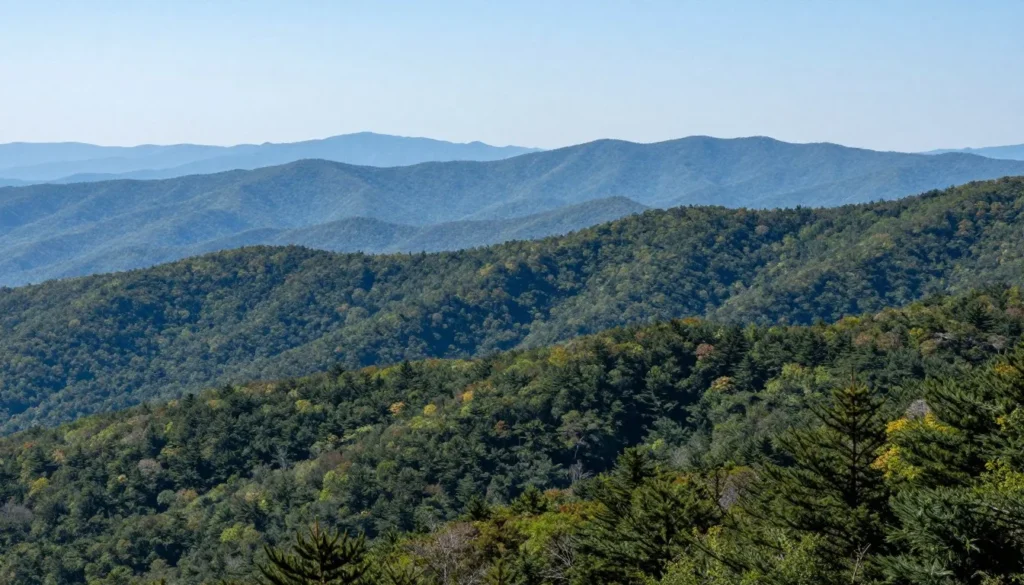
Great Smoky Mountains National Park shares a border with Cherokee National Forest. This world-famous park attracts millions of visitors annually. The proximity allows visitors to experience both areas during a single trip.
Pisgah National Forest in North Carolina offers similar outdoor recreation opportunities just across the state line. The two forests create a massive contiguous protected area. Many trails connect between the forest systems.
Asheville, North Carolina sits approximately 97 km (60 miles) from the southern forest areas. This vibrant mountain city features craft breweries, art galleries, and the famous Biltmore Estate. Many visitors combine forest camping with urban cultural experiences.
Bristol straddles the Tennessee-Virginia border north of the forest. This historic city claims to be the birthplace of country music. The Birthplace of Country Music Museum tells the region’s musical story.
Chattanooga offers urban amenities including the Tennessee Aquarium and historic sites. Rock City and Ruby Falls provide classic roadside attractions. The city serves as a convenient base for exploring the southern forest section.
Practical Travel Tips
Visitor Information Centers
Ocoee Whitewater Center provides maps, permits, and current trail conditions for the southern district. Staff answer questions and offer recommendations based on your interests and abilities. The center operates daily during peak season with reduced winter hours.
Watauga Ranger District office serves the northern section near Elizabethton. Rangers provide specialized information about backcountry routes and camping options. This office handles permits for special activities.
Essential Items to Pack
Layered clothing proves essential given the variable mountain weather. Temperatures can swing 11°C (20°F) within hours. Waterproof outer layers protect against sudden rain showers common throughout the year.
Navigation tools including detailed maps and compass remain important despite good trail marking. GPS devices and phone apps work as supplements but should not replace traditional navigation skills. Download offline maps before arrival.
First aid supplies including blister treatment, pain relievers, and bandages address common trail injuries. Insect repellent controls mosquitoes and ticks during warmer months. Sunscreen prevents burns at higher elevations.
Permits and Regulations
Most day hiking requires no permits. Overnight backcountry camping in certain areas may require free permits available at ranger stations. Group size limits apply in some zones to minimize impact.
Campfires are permitted in established fire rings at developed sites. Backcountry fires may face restrictions during dry periods. Always check current fire regulations before lighting any fire.
Collecting plants, rocks, or artifacts is prohibited. Leave natural and cultural resources for others to enjoy. Photograph your discoveries instead of removing them.
Communication
Cell service exists in towns and along major highways but disappears in remote forest areas. Plan accordingly and do not rely on phones for emergency communication in backcountry zones.
Emergency contact numbers should be stored before entering areas without service. Ranger stations can be reached through 911 dispatch or forest service emergency numbers posted at trailheads.
Accessibility
Several recreation sites offer accessible facilities including paved paths and restrooms. The visitor centers provide wheelchairs and have accessible viewing areas. Call ahead for specific accessibility information about trails and facilities.
Location Map
Your Mountain Adventure Awaits
Cherokee National Forest Tennessee stands ready to exceed your expectations with its stunning natural beauty, diverse recreational opportunities, and genuine Appalachian character. Whether you seek the thrill of whitewater rapids, the serenity of mountain trails, or simply a peaceful campfire under the stars, this remarkable forest delivers authentic outdoor experiences.
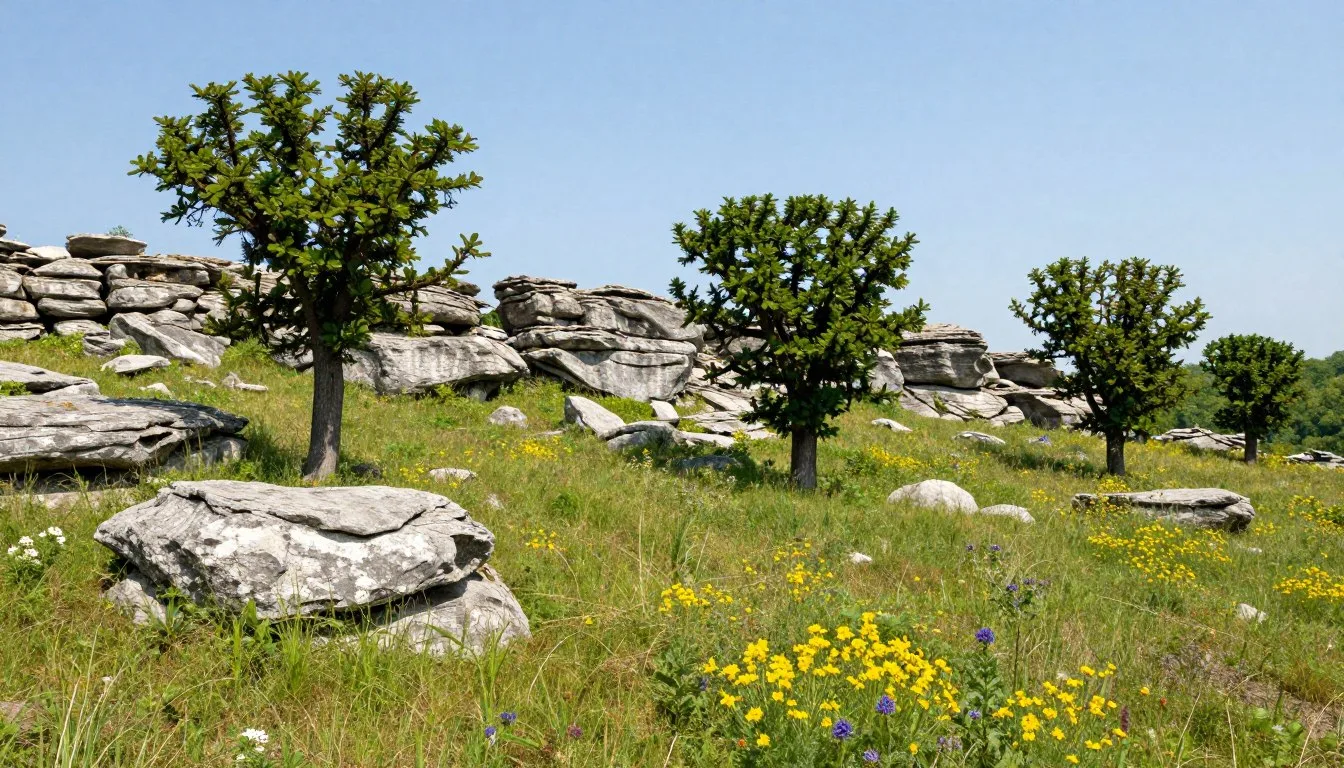
The largest tract public land in Tennessee remains wonderfully accessible yet refreshingly uncrowded. Every bend in the trail reveals new discoveries, from thundering waterfalls to quiet meadows filled with wildflowers. The same mountains that sheltered the Cherokee people for generations now welcome modern visitors seeking connection with nature.
Start planning your journey to this Appalachian treasure today. The trails are calling, the rivers are flowing, and unforgettable memories await in the forests and mountains of eastern Tennessee.
The above is subject to change.
Check back often to TRAVEL.COM for the latest travel tips and deals.