Hotels by Trip.com
Flights by Trip.com
Over 16,187 hectares (40,000 acres) of pristine wilderness await you just 48 kilometers (30 miles) northwest of Nashville. This makes Cheatham Wildlife Management Area one of Tennessee’s most accessible yet remarkably untouched natural treasures. The area is named after Richard Cheatham, a prominent Tennessee politician and Confederate general who once owned land in this region during the mid-1800s.
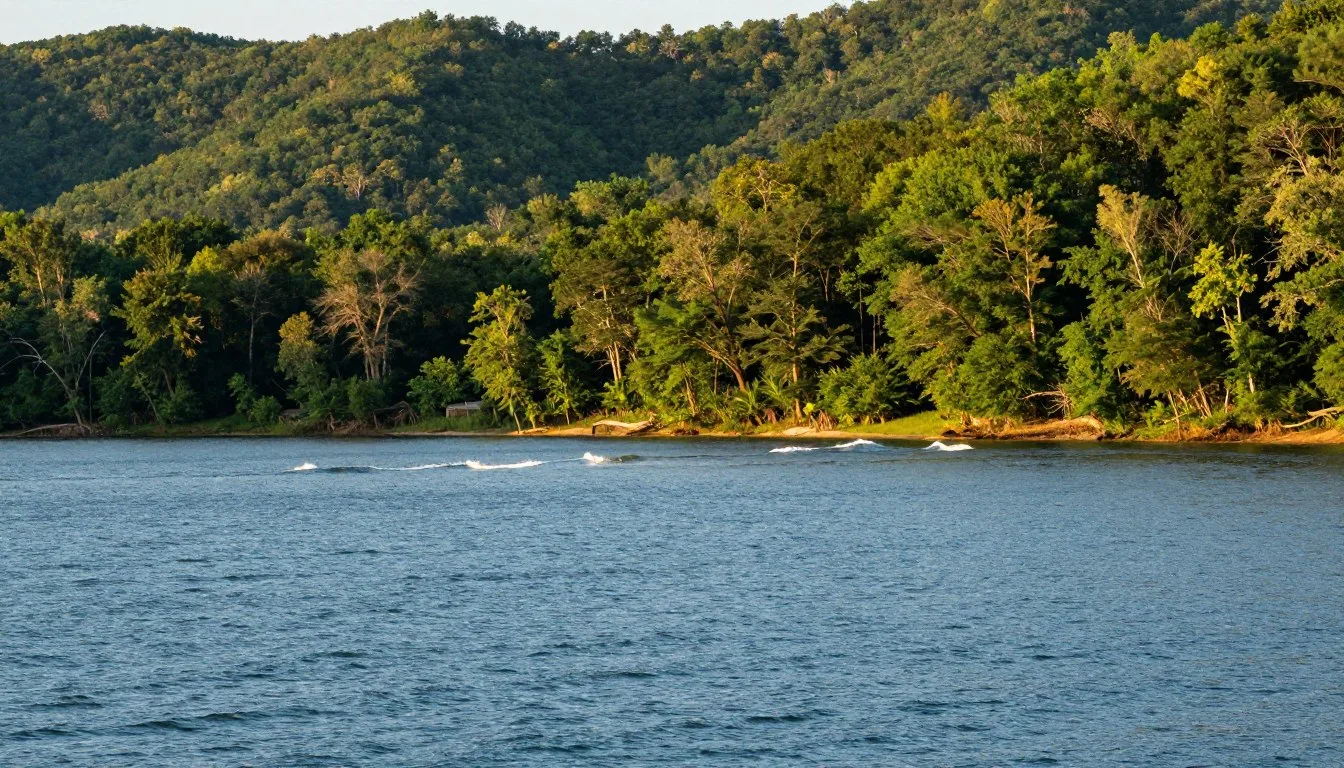
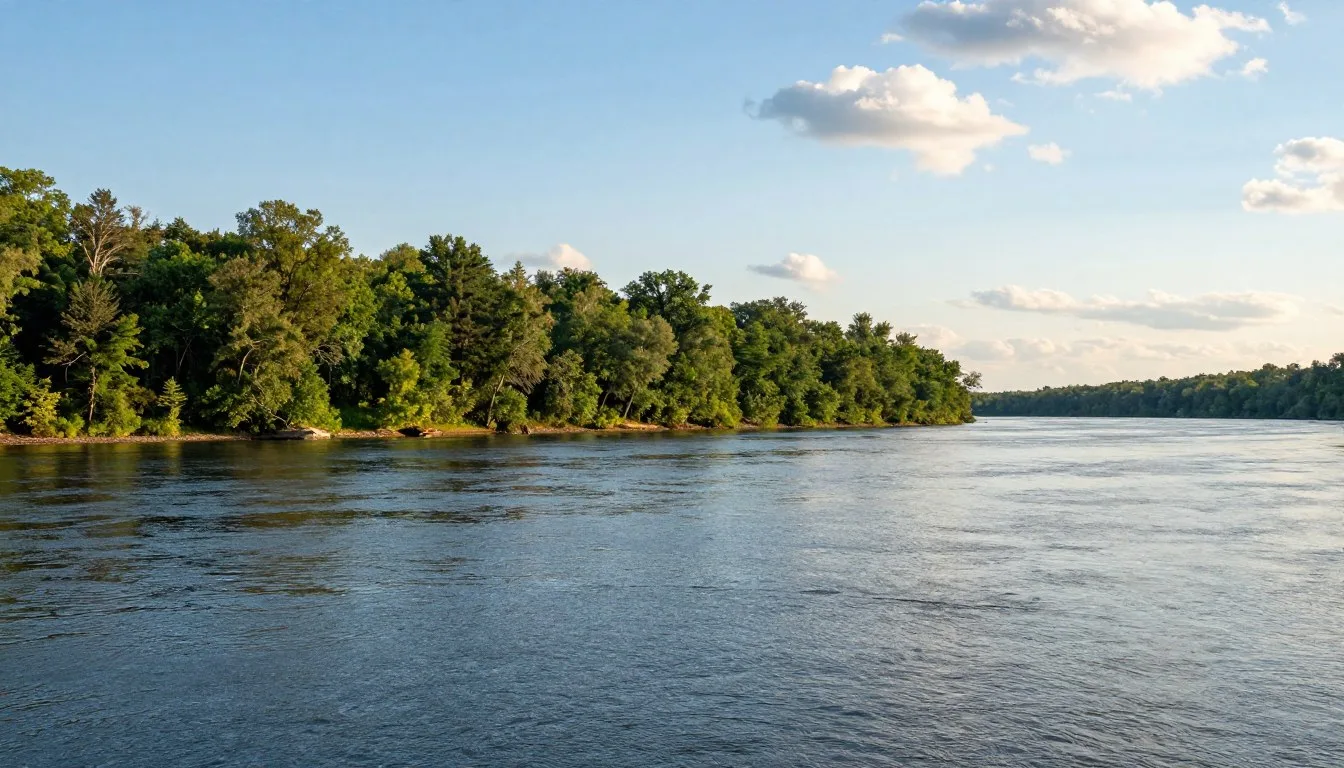
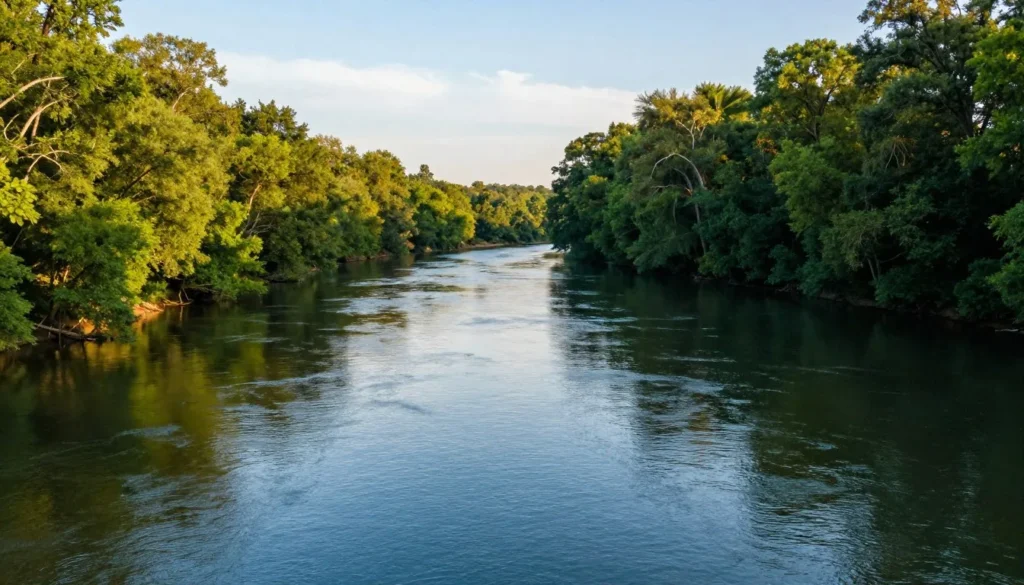
This sprawling sanctuary encompasses diverse habitats from mature hardwood forests to cultivated food plots. The Cumberland River forms the area’s northern boundary, creating stunning riverside vistas and exceptional wildlife viewing opportunities.
Whether you’re an experienced hunter tracking white-tailed deer, a birding enthusiast seeking rare species, or a family looking for peaceful nature trails, Cheatham WMA offers something extraordinary. The area remains relatively undiscovered compared to Tennessee’s more famous parks, giving visitors an authentic wilderness experience without the crowds.
Getting There and Planning Your Journey
Reaching Cheatham Wildlife Management Area requires some planning. The area is located in northwestern Cheatham County, with the main entrance off Highway 49 near Ashland City.
Closest Airports
Nashville International Airport (BNA) serves as your primary gateway. It sits just 64 kilometers (40 miles) southeast of the WMA, offering connections to major cities across North America.
From the airport, rent a vehicle for the most convenient access. Public transportation doesn’t reach this rural area, making a personal vehicle essential for exploring the extensive road network within the WMA.
Essential Contact Information
Tennessee Wildlife Resources Agency regional office can provide current conditions and access updates.
Call during daylight hours for the most accurate information about road conditions and seasonal access restrictions.
Driving Directions
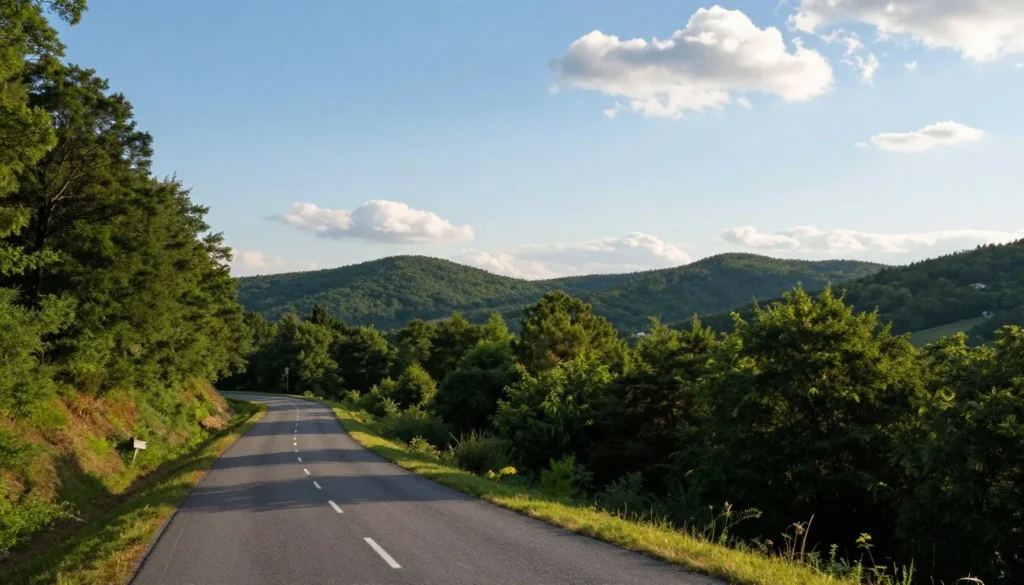
From Nashville, take Interstate 40 West to Exit 188 (Highway 249). Head north through Ashland City, then follow Highway 49 west. Watch for the checking station sign on your left approximately four miles past town.
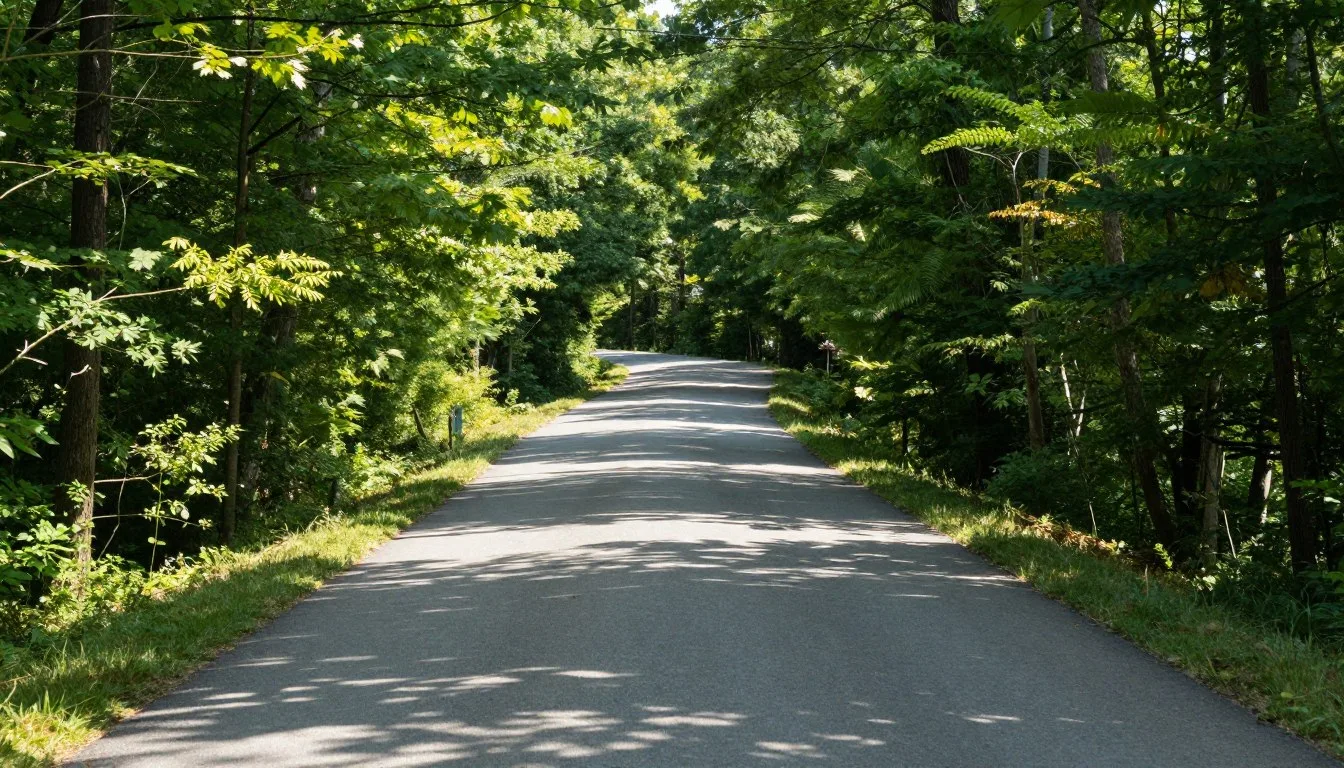
The main gravel road begins at the check station. A standard vehicle can navigate most roads during dry conditions, though high-clearance vehicles handle the terrain better after rain.
Best Time to Visit and Weather Tips
Timing your visit to Cheatham WMA dramatically affects your experience. Each season brings distinct opportunities and challenges.
Best Time to Visit Cheatham Wildlife Management Area and State Natural Area Tennessee
Spring (March through May) offers the most comfortable conditions. Temperatures range from 13°C to 24°C (55°F to 75°F), perfect for hiking and wildlife observation. Wildflowers blanket the forest floor, and migrating songbirds fill the hardwood forests with music.
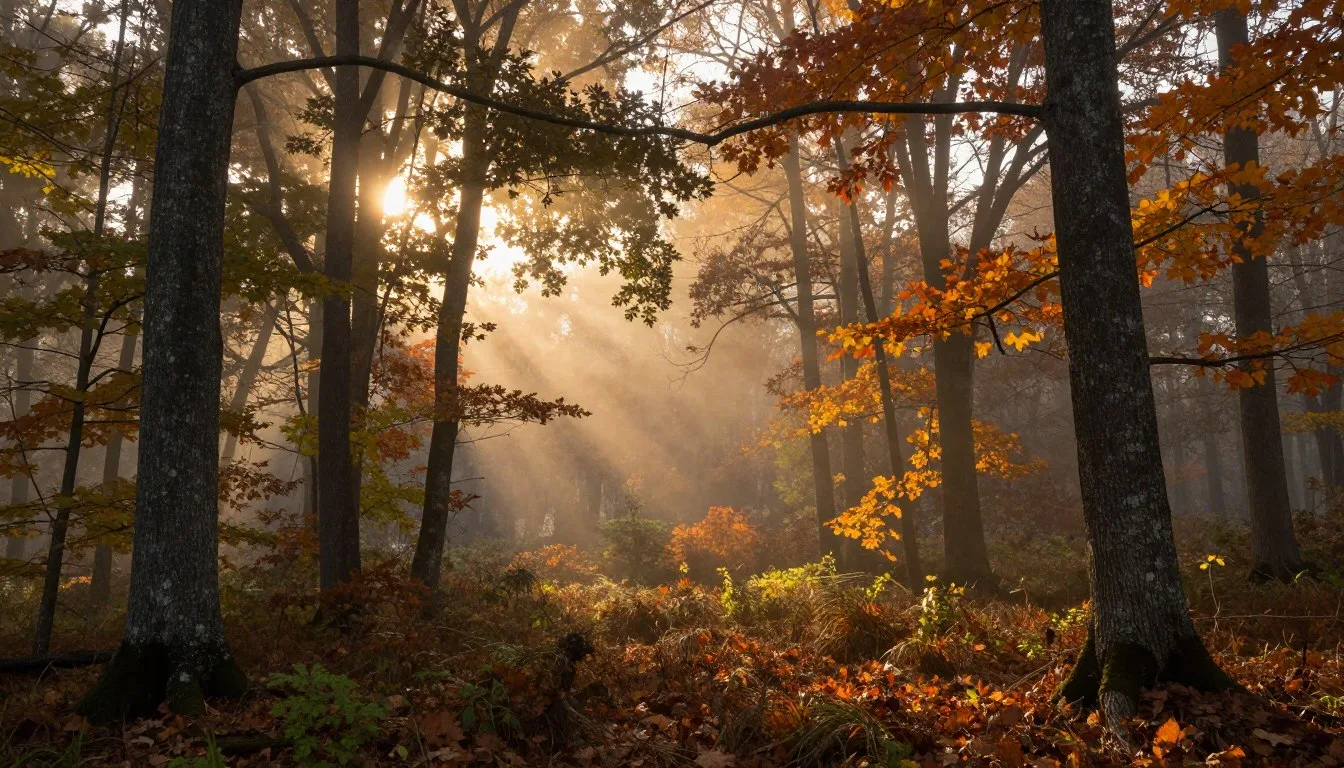
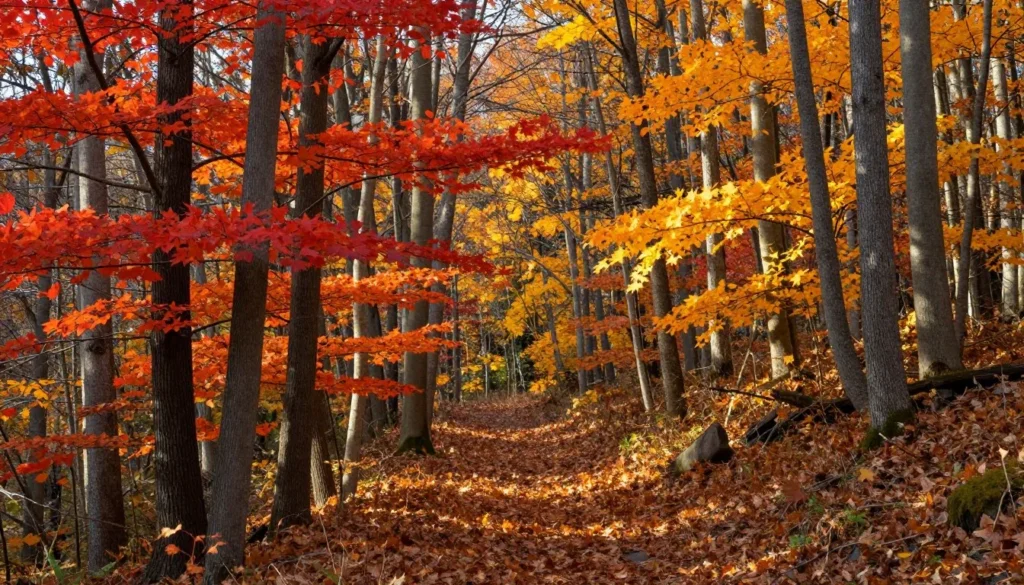
Fall (September through November) ranks as the second-best season. Cooler temperatures from 10°C to 22°C (50°F to 72°F) make outdoor activities pleasant. The hardwood forests transform into spectacular displays of red, orange, and gold foliage.
Summer (June through August) brings heat and humidity. Daytime temperatures often exceed 32°C (90°F). Morning and evening hours provide the only comfortable times for outdoor activities. Insect populations peak during these months, particularly mosquitoes and ticks.
Winter (December through February) sees fewer visitors but offers unique opportunities. Temperatures drop to -1°C to 10°C (30°F to 50°F). Leafless trees make wildlife spotting easier, though some areas may close during particularly wet periods.
Seasons to Avoid
Late June through August presents the most challenging conditions. Extreme heat, high humidity, and aggressive insects make outdoor activities uncomfortable. Many animals become less active during daylight hours.
Late winter (January and February) can bring unpredictable weather. Heavy rains make the main road and side roads nearly impassable. Checking station staff may restrict access during particularly wet periods.
Notable Annual Festivals
While Cheatham WMA itself doesn’t host festivals, nearby Ashland City celebrates several annual events:
- Ashland City Riverfest (May) – Features live music, food vendors, and river activities along the Cumberland. Contact Ashland City Chamber of Commerce at 615-792-4211 for dates and details.
- Cheatham County Fair (August) – Traditional county fair with agricultural exhibits, carnival rides, and live entertainment. Reach organizers at 615-792-5814.
- Fall Harvest Festival (October) – Celebrates autumn with craft vendors, pumpkin patches, and hayrides. Call 615-792-4211 for information.
Getting Around Locally
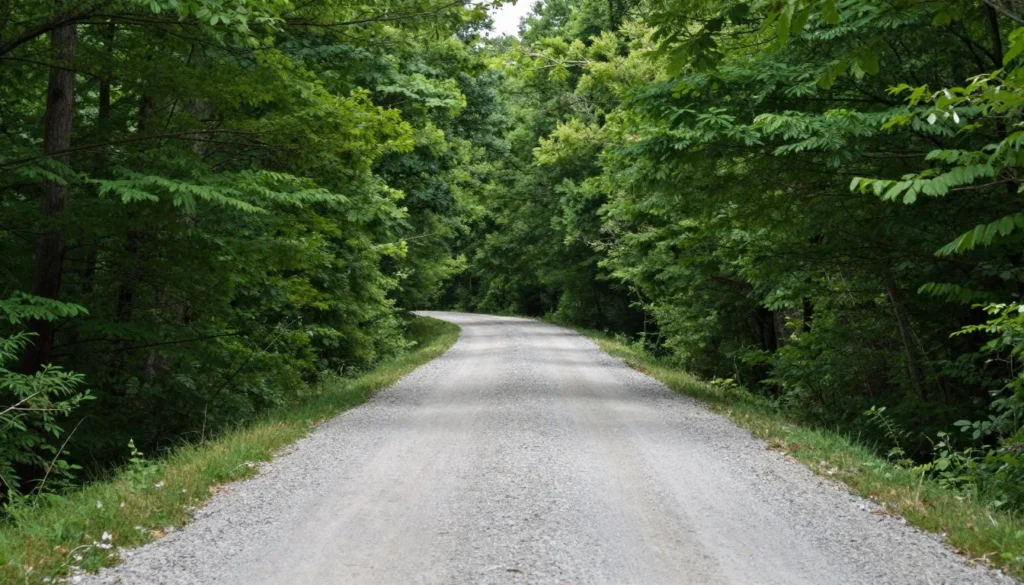
Navigation within Cheatham WMA requires preparation and awareness. The area spans over 16,187 hectares (40,000 acres) connected by an extensive network of gravel roads and primitive trails.
The main gravel road runs through the heart of the WMA. It starts at the checking station near Highway 49 and extends westward for several miles. Side roads branch off at regular intervals, accessing different management units and hunting areas.
Most visitors rely on personal vehicles. A standard sedan can handle the main road during dry conditions, but side roads demand higher clearance. Four-wheel drive becomes necessary after heavy rain when mud can strand unprepared vehicles.
Physical maps prove more reliable than GPS. Cell phone coverage remains spotty throughout most of the area. The Tennessee Wildlife Resources Agency provides detailed maps at the check station. Study your route before venturing deep into the WMA.
Walking and hiking offer the best way to truly experience the area. Park at designated spots along the road and explore on foot. This approach lets you access remote areas inaccessible by vehicle while minimizing your environmental impact.
Important Navigation Tips
Always sign in at the check station when entering the area. Roads may close during hunting seasons or wet weather. Carry physical maps, sufficient water, and a charged phone (even without service). Tell someone your plans before entering remote areas.
Where to Stay
Cheatham WMA itself offers no developed campgrounds or lodging facilities. Primitive camping is permitted in designated areas during certain seasons, but facilities remain minimal.
Nearby Towns and Accommodations
Ashland City, just 11 kilometers (7 miles) east, provides the closest lodging options. Several chain hotels offer clean, comfortable rooms at reasonable rates. Local motels provide budget-friendly alternatives for extended hunting trips.
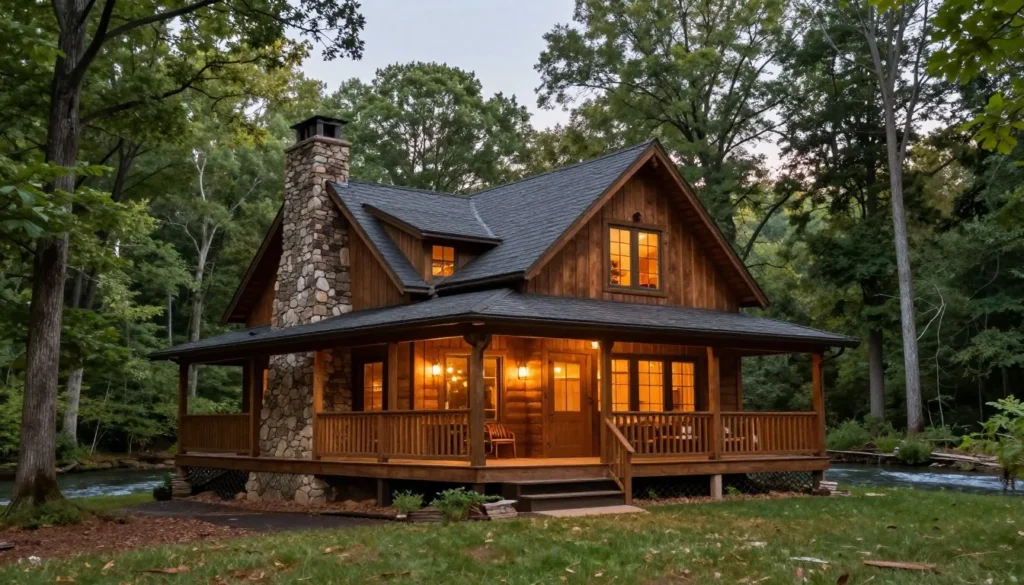
For a more unique experience, numerous vacation rentals dot the Cumberland River shoreline. These properties range from simple fishing cabins to luxurious riverfront homes. Many feature boat docks, fire pits, and stunning water views.
Budget Options
- Local motels in Ashland City starting at $55-75 per night
- Basic chain hotels offering continental breakfast
- Primitive camping in designated WMA areas (free with valid license)
Mid-Range to Luxury
- Riverfront vacation homes ($150-300 per night)
- Bed and breakfast inns in historic Ashland City
- Full-service hotels in Clarksville (32 km/20 miles northwest)
Nashville, just 48 kilometers (30 miles) away, opens up unlimited accommodation choices. From budget hostels to five-star hotels, the city offers every lodging style imaginable. This option suits visitors wanting to combine wilderness experiences with urban entertainment.
Booking Assistance
Ashland City Chamber of Commerce provides information about local lodging options and availability.
Staff can recommend accommodations based on your specific needs and budget.
Dining and Local Cuisine
Cheatham WMA contains no restaurants or food services. Visitors must pack meals or dine in nearby communities.
Ashland City offers a surprising variety of dining options for its size. Local barbecue joints serve authentic Tennessee-style smoked meats. Family restaurants provide hearty Southern comfort food. Several fast-food chains offer quick meals for those returning late from the field.
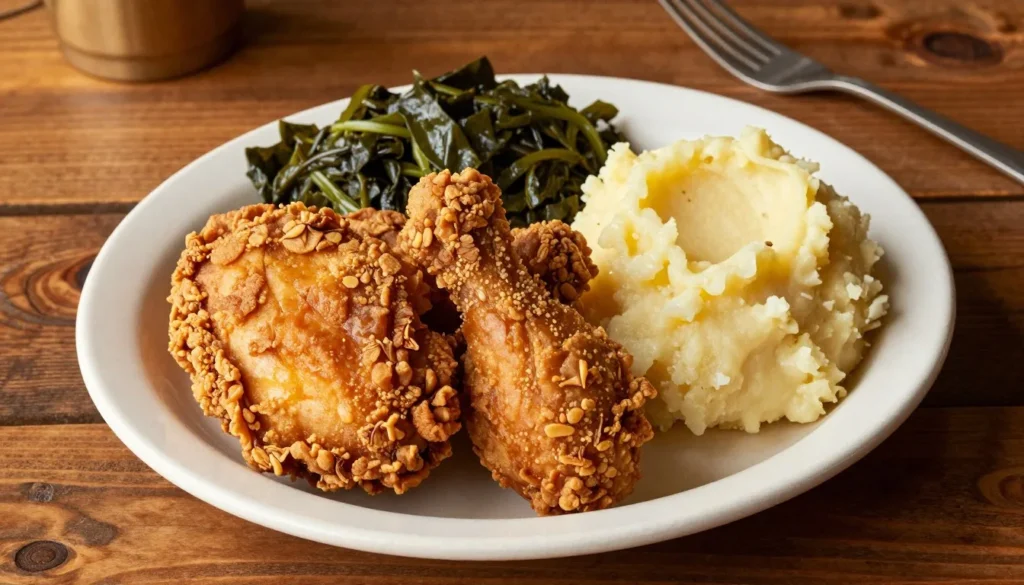
Southern cuisine dominates local menus. Expect generous portions of fried chicken, country ham, collard greens, cornbread, and sweet tea. Catfish, often caught fresh from the Cumberland River, appears on many menus prepared fried, grilled, or blackened.
Local Dining Recommendations
- Traditional barbecue restaurants serving pulled pork, ribs, and brisket with classic sides
- Country cooking diners offering breakfast all day with biscuits and gravy
- Pizza places providing quick family-friendly meals
- Mexican restaurants adding variety to the local dining scene
- Coffee shops perfect for early morning fuel before heading to the WMA
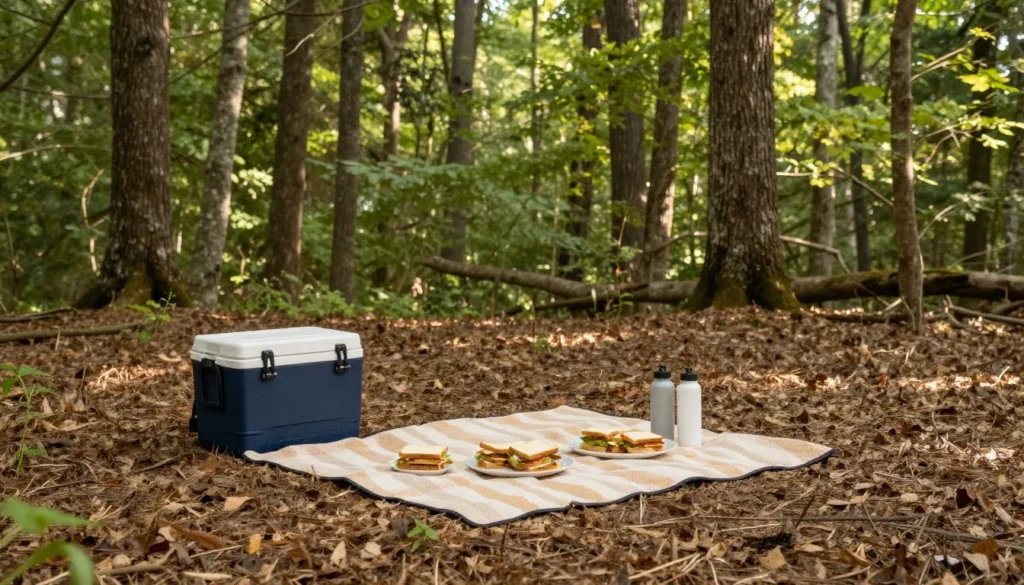
Pack a cooler with snacks and drinks before entering the WMA. The nearest convenience stores sit several miles away. Plan meals around your outdoor schedule, eating substantial breakfasts and dinners in town while carrying trail snacks for midday energy.
Attractions, Sightseeing and Activities
Cheatham Wildlife Management Area and State Natural Area Tennessee specializes in outdoor recreation rather than traditional tourist attractions. The landscape itself provides the entertainment.
Hunting Opportunities
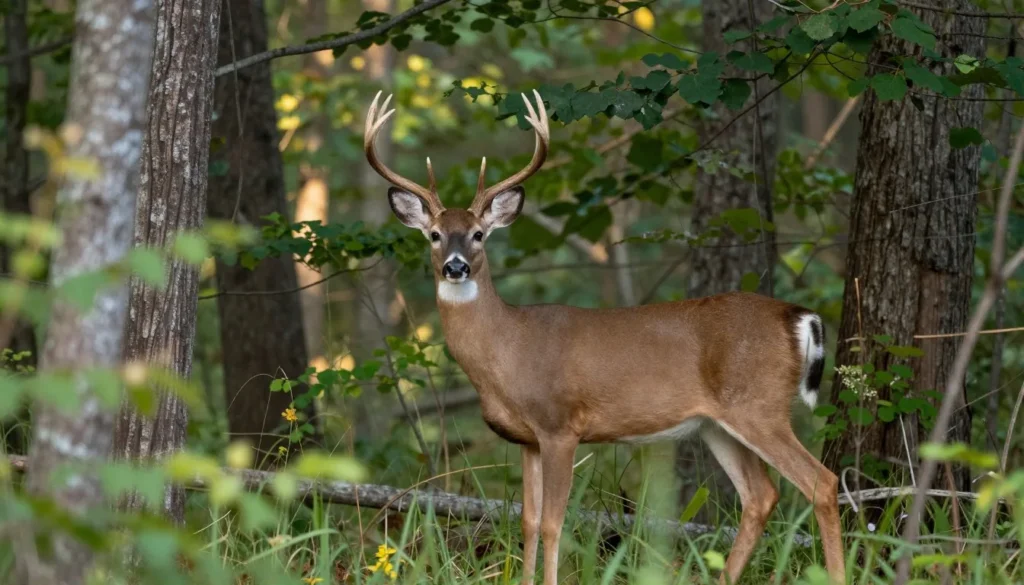
Hunting represents the primary activity at Cheatham WMA. The area supports healthy populations of white-tailed deer, wild turkey, small game, and waterfowl. Each species has specific hunting seasons regulated by Tennessee Wildlife Resources Agency.
Deer hunting attracts the most participants. The fall gun hunt typically runs from November through early January. Spring turkey season brings hunters back in April and May. Waterfowl hunters find productive spots along the Cumberland River and in flooded timber areas.
Food plots scattered throughout the area provide nutrition for wildlife while creating excellent hunting locations. These cultivated areas grow crops like soybeans, corn, and clover specifically to support healthy deer populations.
All hunters must check in at the checking station before entering and check out when leaving. This system helps wildlife managers track harvest data and ensure visitor safety during hunting seasons.
Wildlife Viewing
Non-hunters find exceptional wildlife observation opportunities. White-tailed deer browse in food plots during early morning and late evening. Wild turkeys feed in open areas. Songbirds fill the hardwood forests year-round.
The Cumberland River corridor attracts bald eagles during winter months. Great blue herons stalk the shallows. Beavers work industriously along smaller creeks. Patient observers may spot otters, mink, or even the occasional bobcat.

Hiking and Nature Exploration
While Cheatham WMA lacks formal hiking trails, the extensive road network provides excellent walking routes. Park along the main gravel road or at designated spots along side roads and explore on foot.
The mature hardwood forests harbor oaks, hickories, maples, and other native species. Spring brings wildflower blooms. Fall delivers spectacular foliage displays. Winter’s bare branches reveal the forest structure and make wildlife spotting easier.
Exploring off-road requires careful navigation. Carry a compass and map. Terrain varies from gentle ridges to steep creek bottoms. Wear appropriate footwear for uneven ground.
Museums, Cultural Spots and Festivals
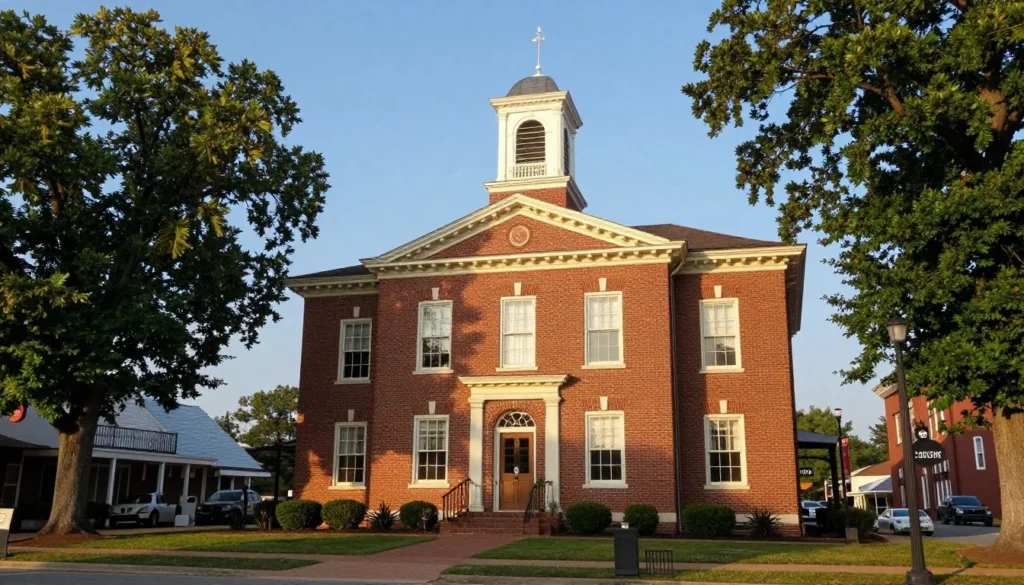
Cheatham WMA focuses exclusively on natural resources and outdoor recreation. For cultural experiences, venture to surrounding communities.
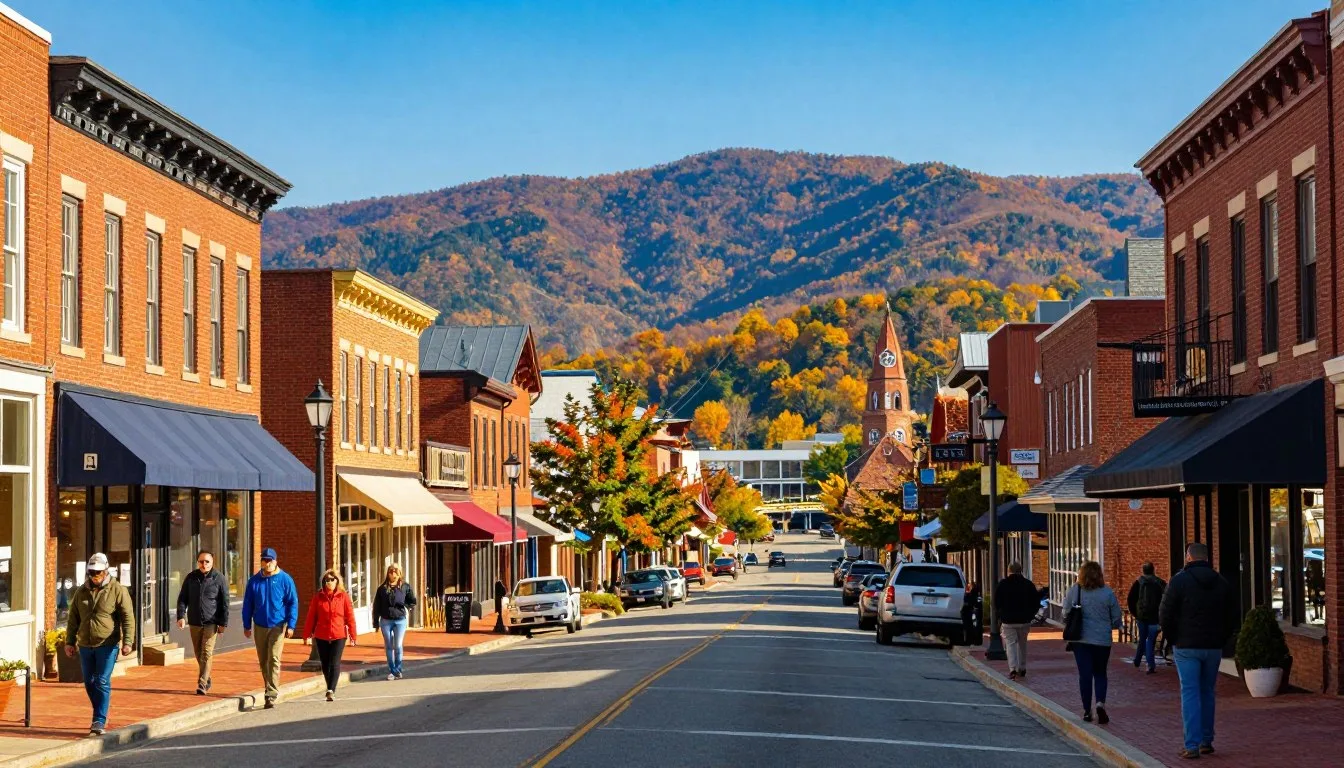
Ashland City’s historic downtown preserves several buildings from the 19th century. The Cheatham County Courthouse anchors the town square. Local shops occupy renovated storefronts, offering antiques, crafts, and regional products.
Cumberland River history runs deep in this region. The waterway served as a vital transportation route during the 1800s. Several historic sites along the river tell stories of early settlers, Civil War conflicts, and the development of river commerce.
Nashville, less than an hour away, provides world-class museums and cultural attractions. The Country Music Hall of Fame, Tennessee State Museum, and historic Ryman Auditorium offer educational and entertaining experiences. Day trips easily combine WMA morning activities with afternoon cultural exploration.
Regional Heritage
The area’s cultural identity centers on outdoor traditions. Hunting, fishing, and living close to the land have shaped local communities for generations. This heritage continues today through wildlife management practices, conservation efforts, and recreational use of public lands.
Nature and Outdoor Experiences
The natural environment defines the Cheatham WMA experience. Understanding the ecosystem enhances every visit.
Diverse Habitats
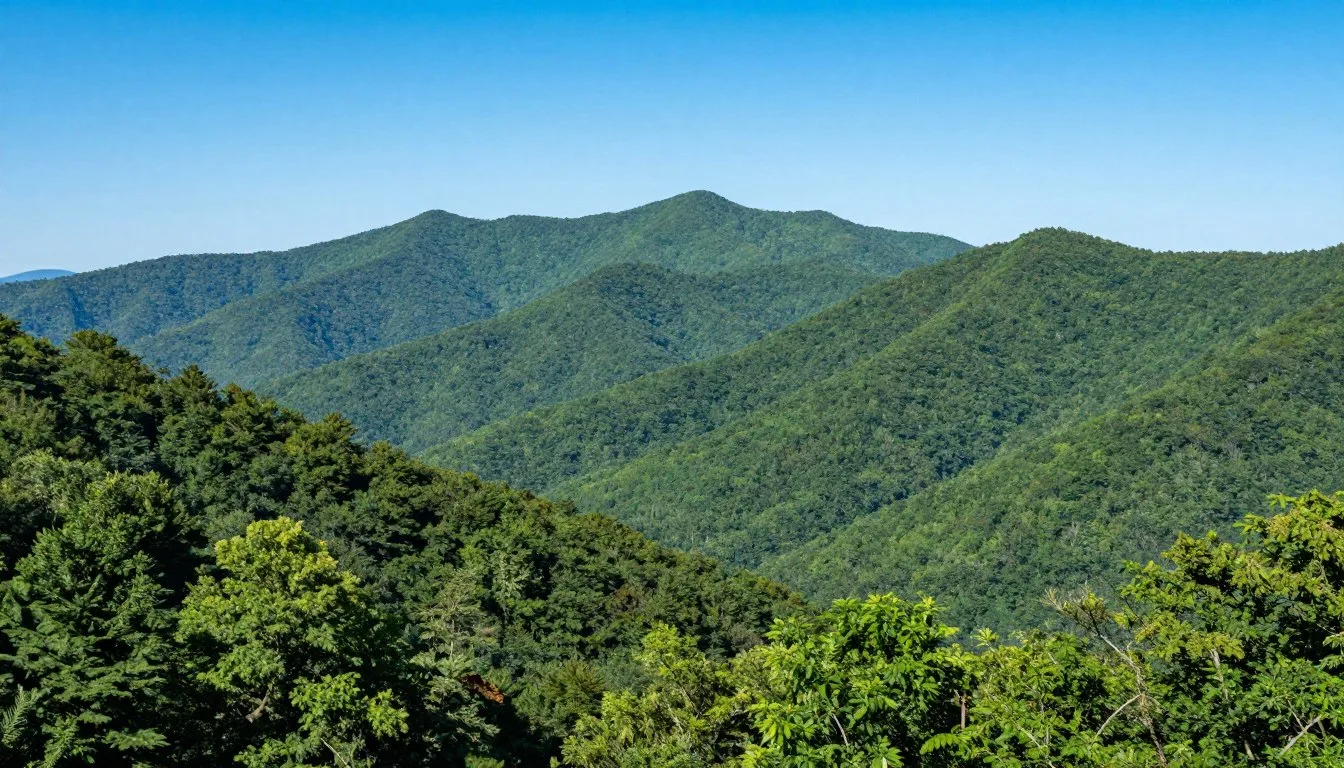
The area encompasses multiple habitat types. Mature hardwood forests dominate the uplands. Oak, hickory, and maple trees create dense canopies providing food and shelter for countless species.
Pine stands offer different ecological niches. These evergreen groves remain green year-round, providing winter cover for wildlife. The needled floor creates distinct growing conditions supporting specialized plant communities.
Food plots represent human-managed habitats benefiting wildlife. These cultivated areas grow nutritious crops. Deer, turkeys, and other animals feed heavily on these resources, particularly during winter when natural food becomes scarce.
Creek bottoms and wetland areas add aquatic and semi-aquatic habitats. These moist environments support amphibians, wading birds, and water-loving mammals. Beaver activity creates additional wetland habitat through dam construction.
Seasonal Natural Changes
Each season transforms the landscape. Spring explodes with new growth. Wildflowers carpet the forest floor before tree leaves fully emerge. Migrating songbirds arrive in waves, filling the woods with songs.
Summer brings lush growth. The forest canopy closes completely. Undergrowth becomes dense. Wildlife activity shifts to cooler morning and evening hours. Young animals learn survival skills from their parents.
Fall brings dramatic changes. Leaves turn brilliant colors before falling. Deer enter breeding season, becoming more active and visible. Migrating waterfowl arrive. The forests prepare for winter dormancy.
Winter strips away concealment. Bare branches reveal forest structure. Wildlife concentrates around reliable food sources like food plots. Tracking becomes easier in occasional snow. The landscape enters its quietest season.

Photography Opportunities
The varied landscapes provide excellent subjects for nature photography. Wildlife photographers find abundant opportunities during all seasons. Landscape photographers capture stunning vistas, particularly during autumn foliage and spring blooms.
Early morning and late evening offer the best light. Wildlife activity peaks during these times. The soft, angled sunlight creates dramatic effects through the forest canopy.
Travel With Children

Introducing children to Cheatham WMA requires extra planning but offers tremendous educational value. The experience teaches outdoor skills, wildlife appreciation, and environmental stewardship.
Start with short visits during mild weather. Spring and fall provide comfortable temperatures and active wildlife. Avoid summer heat and winter cold until children develop outdoor tolerance.
Focus on nature observation rather than covering long distances. Young children find excitement in small discoveries – interesting insects, animal tracks, colorful leaves, or bird songs. Bring field guides for identification games.
Kid-Friendly Activities
- Nature scavenger hunts looking for specific leaves, seeds, or animal signs
- Bird watching with inexpensive binoculars
- Photography assignments capturing interesting finds
- Sketch or journal favorite discoveries
- Collect natural objects (where permitted) for craft projects
Safety Considerations
Supervise children closely in this wild environment. The area lacks fences, facilities, and cell service. Children should stay within sight at all times.
Dress kids in bright colors for visibility. Pack extra layers as children’s body temperatures regulate less efficiently than adults. Bring abundant snacks and water. Hungry, thirsty children quickly lose interest in outdoor activities.
Teach children to respect wildlife from a distance. Never approach or feed wild animals. Explain the importance of staying on designated roads and paths to protect habitats.
Be aware of hunting seasons. During gun hunts, consider visiting other areas. If you do visit during hunting seasons, wear fluorescent orange clothing and stay in vehicles on main roads.
Money Saving Tips
Visiting Cheatham Wildlife Management Area and State Natural Area Tennessee can be remarkably affordable with proper planning.
Free and Low-Cost Opportunities
Access to the WMA is free for most activities. Wildlife viewing, hiking, and nature study require no fees. This makes the area ideal for budget-conscious nature lovers.
Hunters and anglers need appropriate Tennessee licenses, but these fees support conservation efforts that maintain the areas you enjoy. Licenses can be purchased online or at local retailers before your visit.
Cost-Cutting Strategies
- Pack all meals and snacks rather than dining out
- Camp primitively in designated areas instead of paying for hotels
- Visit during spring or fall when weather is comfortable without requiring expensive gear
- Carpool with friends to split fuel costs
- Borrow or rent specialized equipment rather than purchasing
- Take advantage of free wildlife viewing instead of paid attractions
- Fill water bottles from home rather than buying bottled water
Budget Accommodation Options
Primitive camping offers the lowest-cost overnight option. Designated areas allow camping during certain seasons at no charge. Bring all necessary equipment including tents, sleeping bags, and cooking supplies.
For those requiring more comfort, budget motels in Ashland City provide clean, basic rooms at reasonable rates. Booking in advance, especially during hunting season, often yields better prices.
Smart Shopping for Supplies
Purchase groceries and supplies before leaving larger towns. Ashland City’s grocery stores charge less than convenience stores along Highway 49. Stock up on non-perishable snacks and drinks.
Consider timing your visit to avoid peak hunting seasons when local accommodations raise their rates. Spring and summer visits typically find lower lodging prices and less competition for camping spots.
Safety and Local Customs

Cheatham WMA demands respect and preparation. The remote wilderness setting can turn dangerous without proper precautions.
Essential Safety Guidelines
Always check in at the checking station upon arrival. Sign out when leaving. This simple step helps rangers know who’s in the area and can save lives during emergencies.
Tell someone your plans before entering remote areas. Provide details about where you’ll be, your expected return time, and what to do if you don’t return as scheduled.
Carry these essentials on every visit:
- Physical map and compass (GPS signals are unreliable)
- Charged cell phone (even without service, emergency calls may connect)
- First aid kit with basic supplies
- Sufficient water – at least 2 liters per person
- Weather-appropriate clothing including rain gear
- Flashlight or headlamp with extra batteries
- Whistle for emergency signaling
- Emergency shelter like a space blanket
Wildlife Awareness
Maintain safe distances from all wildlife. Deer may seem docile but can become aggressive, especially during breeding season. Wild boars inhabit the area and can be dangerous if cornered or surprised.
Venomous snakes including copperheads and timber rattlesnakes live throughout the area. Watch where you place hands and feet. Most snake encounters occur when people step over logs or reach into areas they can’t see.
Ticks pose the most common wildlife health risk. These parasites carry Lyme disease and other illnesses. Wear long pants tucked into socks. Use insect repellent containing DEET. Check thoroughly for ticks after every outing.
Hunting Season Awareness
Exercise extreme caution during hunting seasons. Wear fluorescent orange clothing year-round when visiting the WMA. During gun hunts, non-hunters should consider visiting other areas.
Check current hunting season dates before visiting. The Tennessee Wildlife Resources Agency website provides updated information. Some areas may close entirely during specific hunts.
Local Customs and Etiquette
Outdoor enthusiasts in Tennessee value courtesy and respect. Acknowledge other visitors with a friendly greeting. Share information about wildlife sightings or trail conditions.
Practice Leave No Trace principles. Pack out everything you pack in. Don’t disturb food plots or wildlife management structures. Stay on established roads during wet conditions to prevent erosion.
Respect private property boundaries. Cheatham WMA borders private land on many sides. Purple paint marks on trees indicate private property in Tennessee. Never cross these boundaries without permission.
During hunting season, give hunters space. If you encounter hunting activity, quietly leave the area. Making noise or deliberately disrupting hunts is not only rude but potentially illegal.
Visitor Comments About Cheatham Wildlife Management Area

“This place exceeded my expectations. The diversity of habitats makes every visit different. I’ve seen more wildlife here in a few trips than years of visiting crowded state parks. The lack of facilities means fewer people, which suits me perfectly. Bring everything you need and respect the wilderness – you’ll be rewarded with an authentic Tennessee outdoor experience.”
“As a photographer, I appreciate the unspoiled nature of Cheatham WMA. The fall colors rival anywhere in Tennessee, yet you don’t fight crowds for viewpoints. Early morning fog along the creek bottoms creates magical lighting. The road network provides easy access while foot travel takes you to truly remote areas. Just be prepared – this isn’t a manicured park with amenities.”
“Perfect introduction to Tennessee wildlife. The checking station staff provided helpful maps and current information. We spent a day driving the roads, stopping frequently to explore on foot. Saw deer, turkeys, and countless bird species. The kids loved the adventure of exploring real wilderness. Planning to return for multiple seasons to experience the different aspects of this remarkable area.”
Additional Nearby Destinations
Cheatham WMA’s location near Nashville and other Middle Tennessee attractions makes it easy to combine wilderness experiences with other activities.

Nashville
Just 48 kilometers (30 miles) southeast, Nashville offers world-famous music venues, museums, restaurants, and nightlife. Combine morning wildlife viewing at the WMA with afternoon and evening urban entertainment.
Montgomery Bell State Park
Located 40 kilometers (25 miles) south, this developed state park provides camping facilities, cabins, hiking trails, and a lake for swimming and boating. It offers a more conventional park experience compared to the WMA’s wilderness.
Port Royal State Historic Park
Approximately 29 kilometers (18 miles) northwest, this small historic park preserves one of Tennessee’s oldest communities. The site features a covered bridge, historic buildings, and river access.
Land Between the Lakes
About 105 kilometers (65 miles) northwest, this massive recreation area straddles the Tennessee-Kentucky border. It offers extensive hunting, fishing, camping, and wildlife viewing across 68,797 hectares (170,000 acres).
Harpeth River
The scenic Harpeth River flows through several nearby parks and natural areas. Popular for canoeing, kayaking, and fishing, it provides a different aquatic experience than the WMA’s more remote waterways.
Historic Sites
- Fort Donelson National Battlefield
- Carnton Plantation
- Belle Meade Plantation
Natural Areas
- Dunbar Cave State Park
- Harpeth River State Park
- Radnor Lake State Park
Family Attractions
- Nashville Zoo
- Adventure Science Center
- Grand Ole Opry
Practical Travel Tips
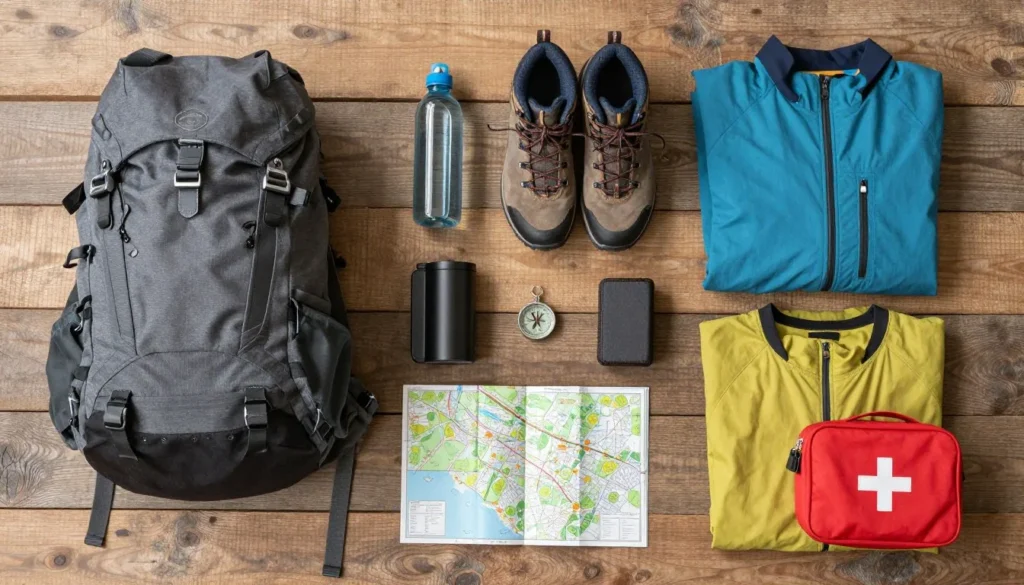
What to Bring
Proper preparation ensures comfortable, safe visits. Essential items include:
- Sturdy hiking boots or shoes with good tread
- Layered clothing adaptable to changing weather
- Rain gear regardless of forecast
- Insect repellent (essential spring through fall)
- Sunscreen and hat for sun protection
- Binoculars for wildlife viewing
- Camera with extra batteries
- Field guides for plant and animal identification
- Personal medications
- Snacks and extra water beyond what you think you’ll need
Communication and Connectivity
Cell phone service is unreliable throughout most of the WMA. Don’t depend on your phone for navigation or emergency communication deep in the area. The checking station typically has coverage, so make necessary calls before venturing further.
Download offline maps before your visit. Several smartphone apps allow downloading map data for use without cell service. Physical maps remain the most reliable option.
Permits and Regulations
Most recreational activities require no special permits. Hunters need appropriate Tennessee hunting licenses and must check in and out at the station. All vehicles should display appropriate permits when required.
Familiarize yourself with current regulations before visiting. The Tennessee Wildlife Resources Agency website provides detailed rules. Regulations change periodically, so verify current information rather than relying on past visits.
Best Practices
Arrive early for the best experiences. Wildlife activity peaks during the first few hours after sunrise. Early arrival also ensures parking access during busy periods like popular hunting seasons.
Take your time exploring. The area’s size can feel overwhelming. Focus on thoroughly experiencing smaller sections rather than rushing to cover maximum ground. You’ll see and learn more.
Keep a visit journal. Record weather conditions, wildlife sightings, and locations of interesting spots. These notes help plan future visits and track seasonal changes over multiple years.
Remember
Cheatham WMA offers genuine wilderness experiences increasingly rare in modern life. Embrace the challenge. Accept that not every visit produces dramatic wildlife encounters or perfect weather. The value lies in connecting with nature on its own terms, developing outdoor skills, and experiencing Tennessee’s wild heritage.
Before Your Visit
Contact Tennessee Wildlife Resources Agency for current conditions, seasonal closures, and updated regulation information.
Staff can answer specific questions about access, activities, and what to expect during your planned visit dates.
Your Wild Tennessee Adventure Awaits
Cheatham Wildlife Management Area and State Natural Area Tennessee stands apart from typical tourist destinations. It offers no gift shops, no paved trails, no visitor centers with interactive displays. Instead, it provides something increasingly precious – authentic wilderness where nature operates on its own schedule.
The mature hardwood forests, diverse wildlife, and remote beauty create experiences that linger long after you return home. Whether you’re stalking deer during the fall gun hunt, photographing spring wildflowers, or simply walking the roads absorbing the peace of undeveloped land, Cheatham WMA delivers.
This remarkable area exists because hunters, conservationists, and outdoor enthusiasts advocated for protecting wild places. Your visits support continued conservation. Every respectful encounter with this landscape honors those efforts and inspires continued stewardship.
Pack your gear, study your maps, and venture into this Tennessee treasure. The white oaks and hickories, the deer and turkeys, the quiet mornings along the river – they’re waiting to become part of your story.