Hotels by Trip.com
Flights by Trip.com
Did you know that Fall Creek Falls State Park, home to Cane Creek Falls, contains over 56 kilometers (35 miles) of hiking trails and more waterfalls than any other Tennessee state park? This stunning natural wonderland attracts over 1.3 million visitors annually, yet many travelers overlook its hidden gem: Cane Creek Falls.
The name “Cane Creek” originates from the dense stands of river cane that once lined the creek banks throughout the area. Native Americans and early settlers used this bamboo-like plant for fishing poles, basket weaving, and construction. Today, Cane Creek Falls remains one of the most photographed spots within Fall Creek Falls State Park.
This comprehensive Cane Creek Falls Tennessee travel guide will help you discover everything from breathtaking hiking trails to family-friendly activities. Whether you’re seeking outdoor adventure or peaceful nature experiences, this destination offers something special for every visitor.
Getting There & Planning Your Journey
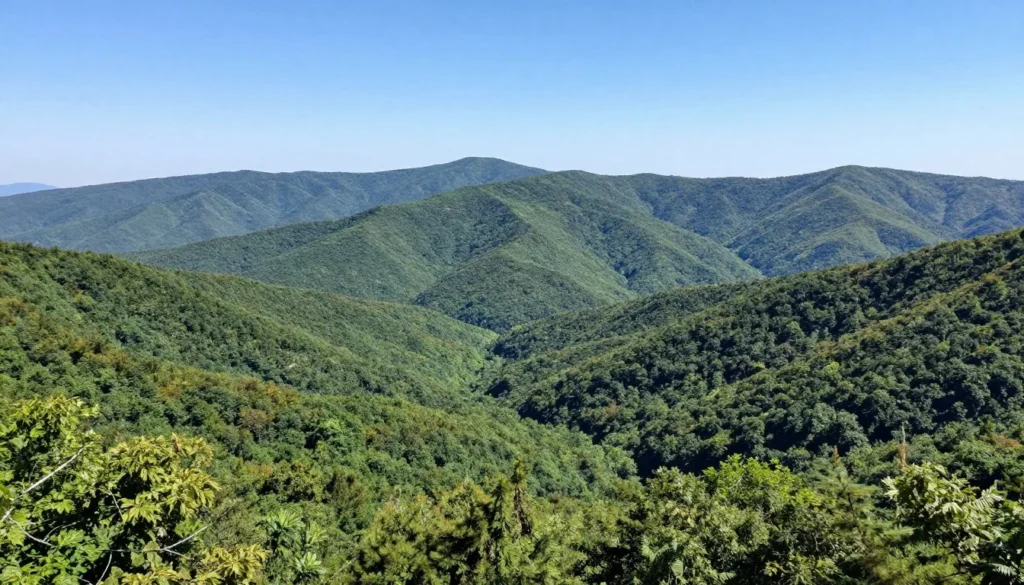
Reaching Cane Creek Falls requires some planning, but the journey proves worthwhile. The falls sit within Fall Creek Falls State Park in Van Buren County, Tennessee, nestled in the Cumberland Plateau region.
Closest Airports
Several airports provide convenient access to the area:
- Nashville International Airport (BNA) – 177 kilometers (110 miles) northwest, approximately 2 hours driving time
- Chattanooga Metropolitan Airport (CHA) – 121 kilometers (75 miles) south, approximately 1 hour 45 minutes driving time
- McGhee Tyson Airport (TYS) in Knoxville – 209 kilometers (130 miles) east, approximately 2 hours 30 minutes driving time
Most visitors rent vehicles at these airports. Public transportation to the park is limited, making a car essential for exploring the area.
Driving Directions
From Nashville, take Interstate 40 East to State Route 111 South. Follow SR 111 to Pikeville, then take SR 30 East directly to the state park entrance. The route offers beautiful scenic views through rural Tennessee.
From Chattanooga, head north on SR 111 through Dunlap and Spencer. The drive takes you through charming small towns and offers glimpses of the Cumberland Plateau’s natural beauty.
Planning Tip: The park entrance sits on State Route 30, clearly marked with signage. GPS coordinates are 35.6742° N, 85.3670° W for precise navigation.
Fall Creek Falls State Park Visitor Center – Call for current conditions and directions
Best Time to Visit & Weather Tips
Choosing the right time enhances your Cane Creek Falls experience significantly. Each season offers unique advantages and considerations for visitors.
Best Time to Visit Cane Creek Falls
The ideal months for visiting run from April through October, with each period offering distinct experiences:
Peak Season (April-June, September-October)
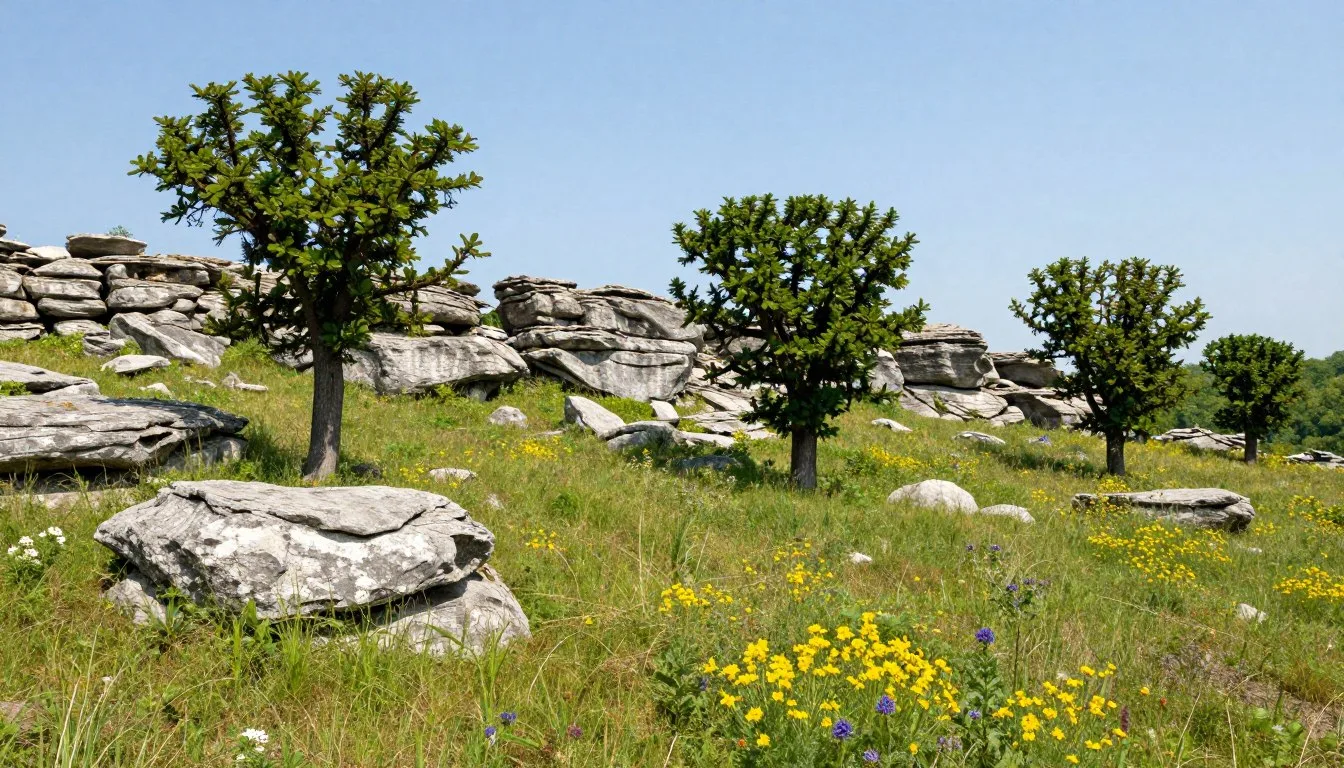
Spring brings abundant water flow and wildflowers. The creek swells from seasonal rains, creating dramatic waterfall displays. Temperatures range from 15°C to 24°C (59°F to 75°F).
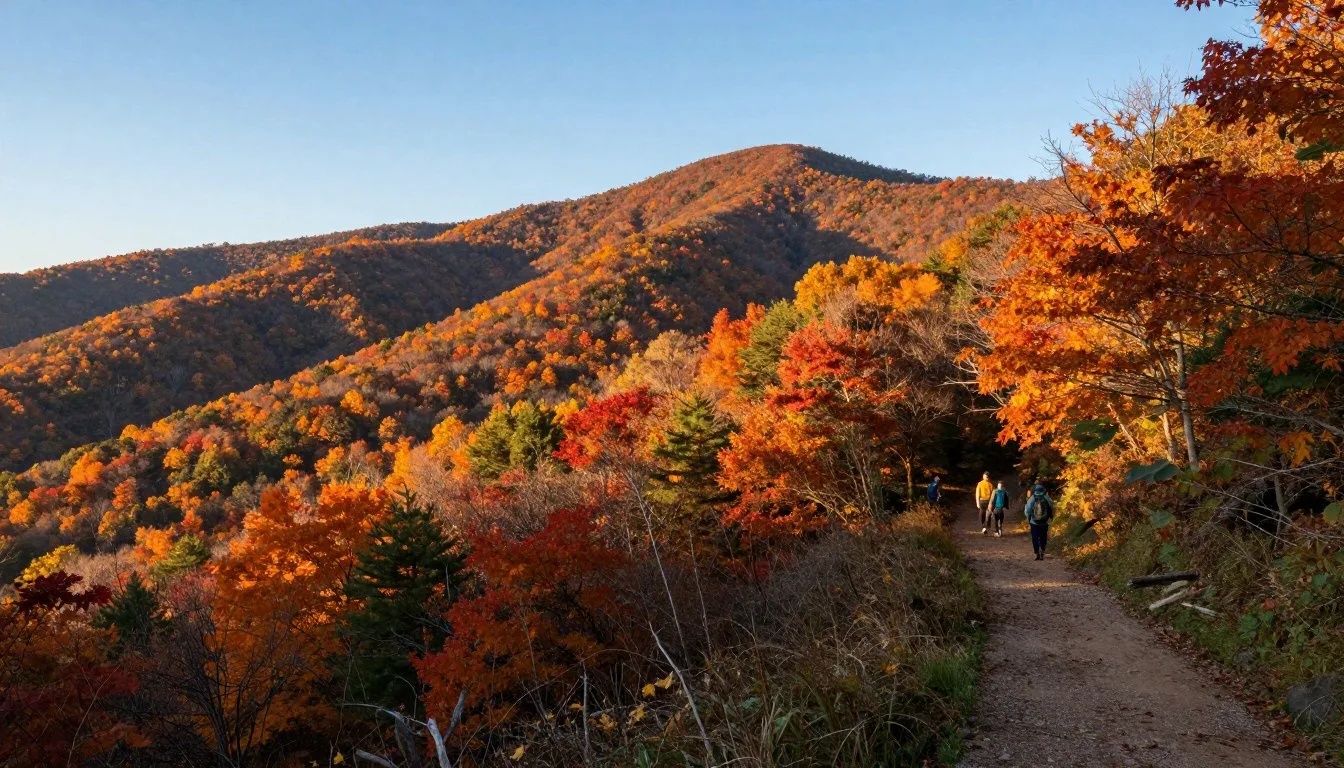
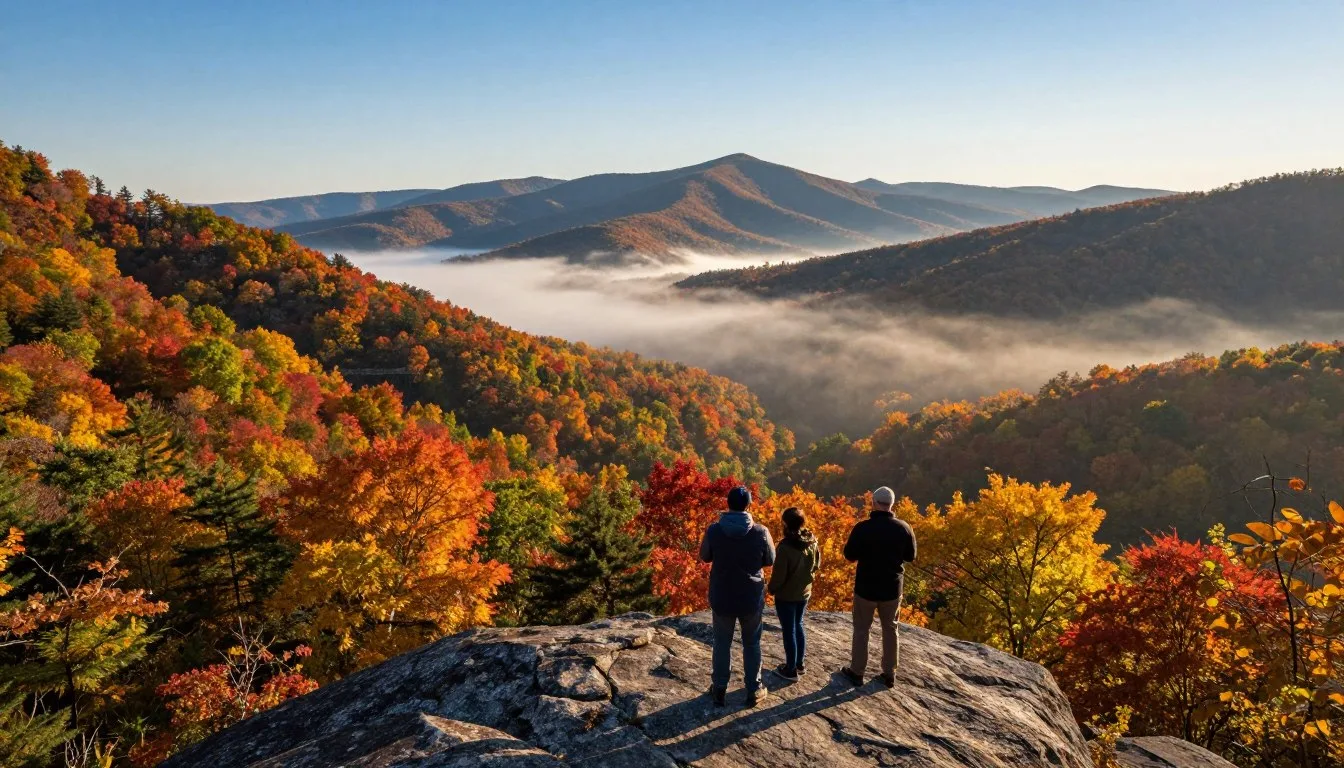
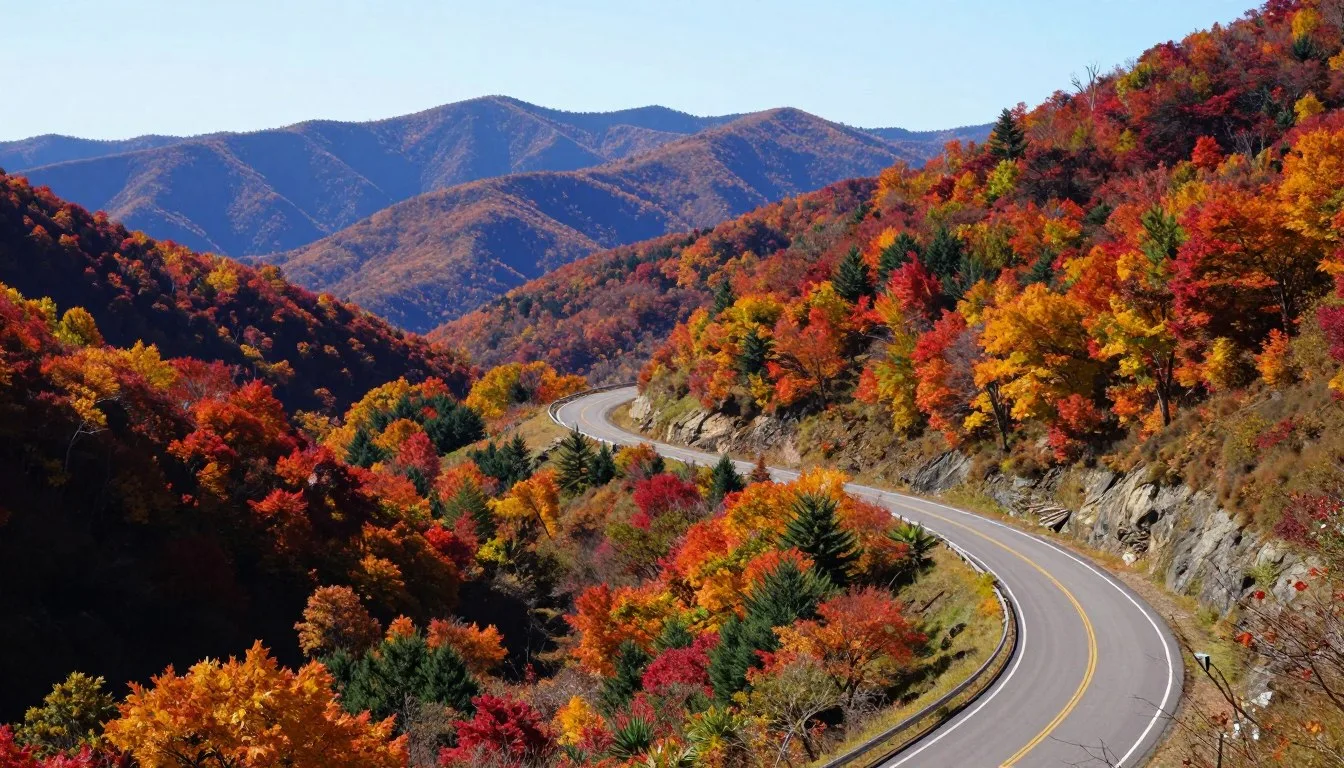
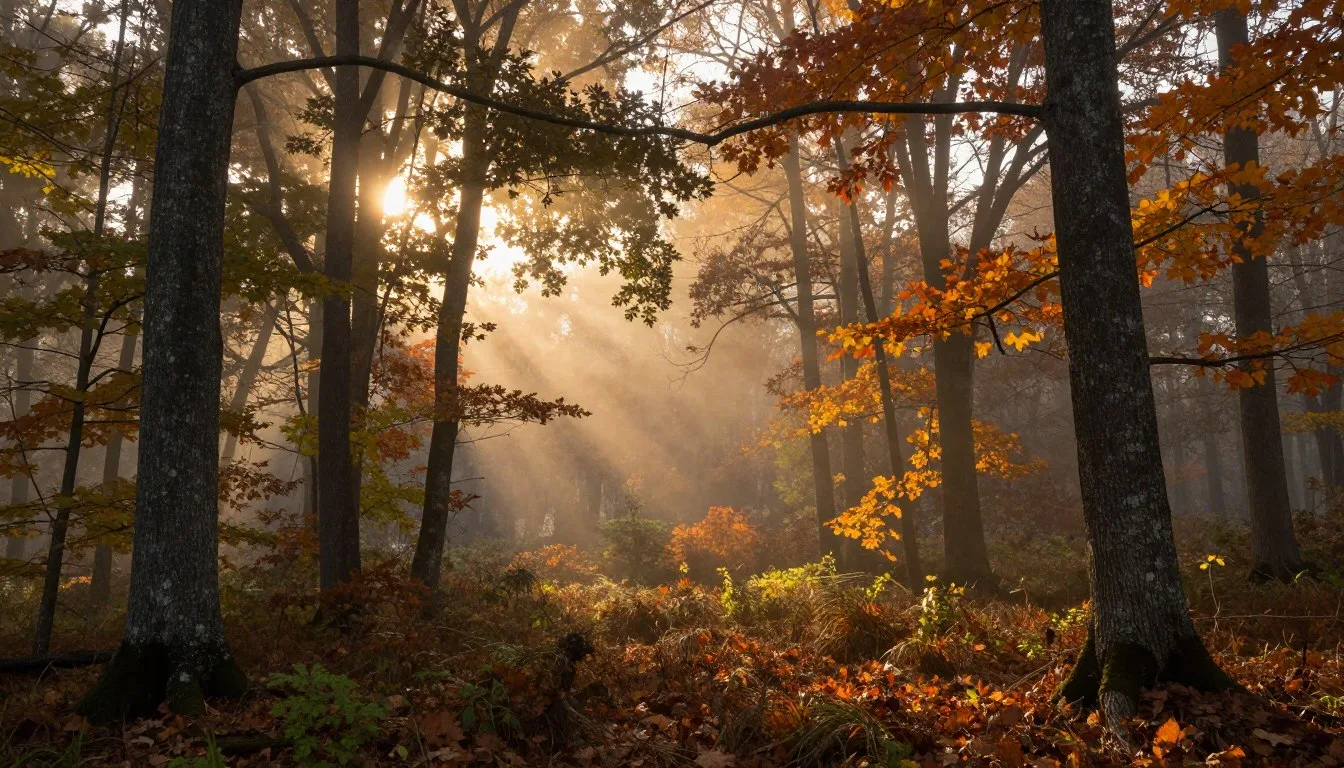
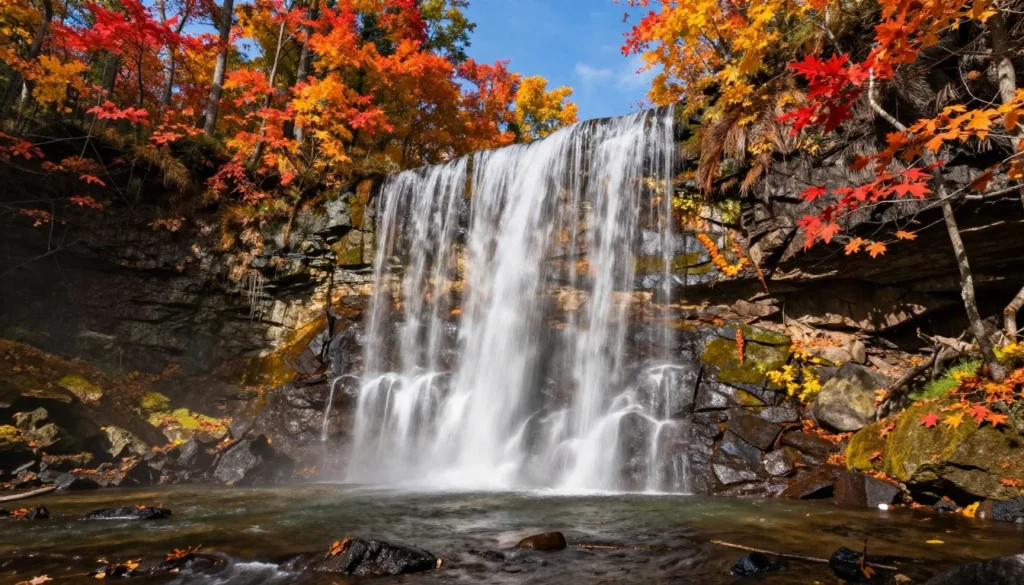
Fall showcases spectacular foliage. The hardwood forest surrounding Cane Creek Falls transforms into brilliant reds, oranges, and yellows. Weather remains comfortable for hiking, with temperatures between 13°C and 22°C (55°F to 72°F).
Summer Season (July-August)
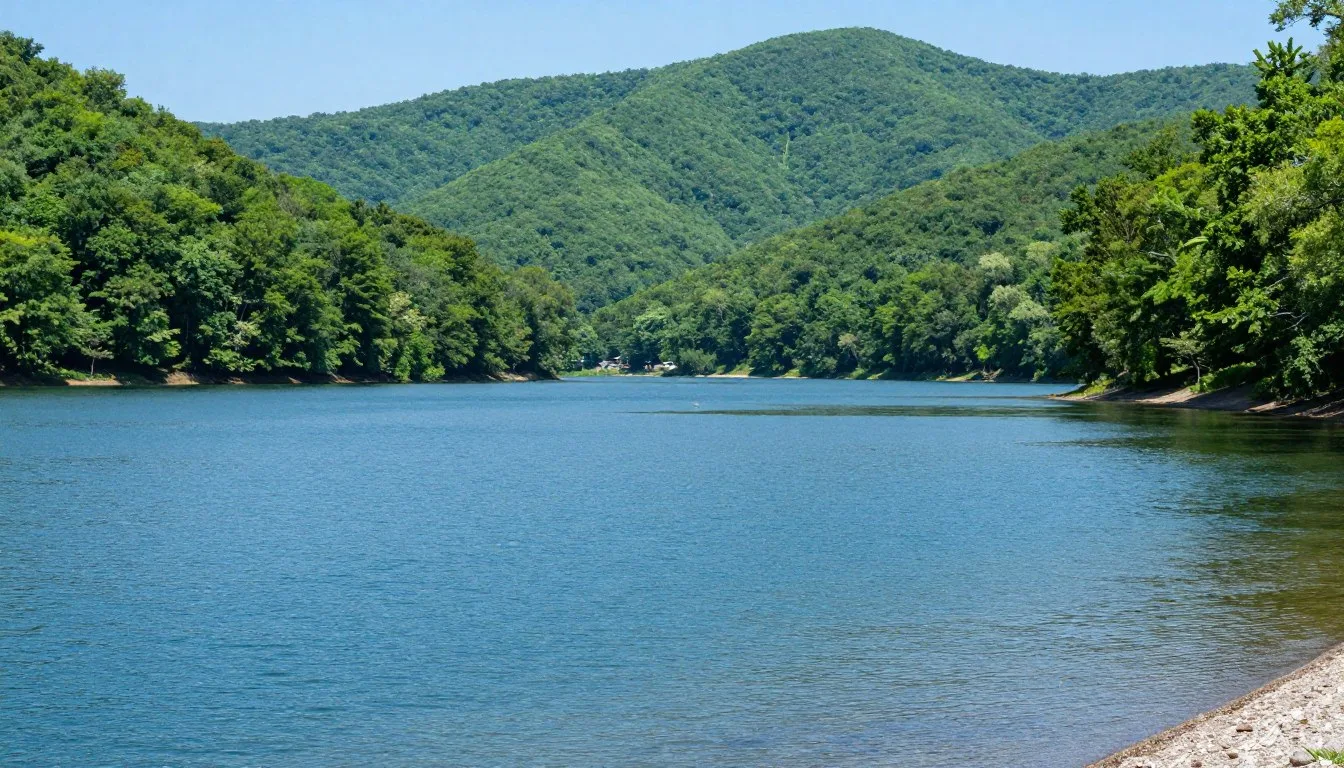
Summer attracts the most visitors. Temperatures climb to 27°C to 32°C (80°F to 90°F). The area becomes humid, but swimming spots provide relief. Book accommodations early during this busy time.
Water levels typically decrease by late summer. However, the lush green canopy creates beautiful shade along trails. Early morning hikes help avoid afternoon heat and crowds.
Months to Avoid
Winter months (December through February) present challenges. Temperatures drop to -1°C to 7°C (30°F to 45°F). Ice forms on trails and around waterfalls, creating hazardous conditions. Many facilities close during this period.
March can be unpredictable with cold snaps and heavy rainfall. Trail conditions often become muddy and slippery. Late fall (November) sees shorter daylight hours and bare trees, reducing the overall experience.
Weather Patterns
The Cumberland Plateau receives substantial rainfall year-round. Annual precipitation averages 142 centimeters (56 inches). Pack rain gear regardless of season, as sudden storms develop frequently.

Summer thunderstorms arrive quickly in afternoons. Lightning poses serious risks in exposed areas. Monitor weather forecasts and seek shelter if storms approach. Flash flooding can affect creek crossings within minutes.
Weather Alert: The area experiences severe thunderstorms from May through August. Check forecasts before hiking and avoid trails during electrical storms. Water levels rise rapidly after heavy rain.
Notable Annual Festivals
The Fall Creek Falls area hosts several festivals that showcase local culture and outdoor traditions throughout the year.
Fall Creek Falls Festival of the Arts
This juried art show takes place each October at the state park. Local and regional artists display paintings, pottery, jewelry, and woodwork. Live music performances and food vendors create a festive atmosphere. The event runs over a weekend and attracts thousands of visitors.
Fall Creek Falls Festival Coordinator – For current year dates and details
Spring Wildflower Walks
The park naturalist leads guided wildflower identification walks each April and May. These free programs teach visitors about native plant species. Participants explore trails around Cane Creek and discover trilliums, violets, and dozens of other spring flowers.
Summer Concert Series
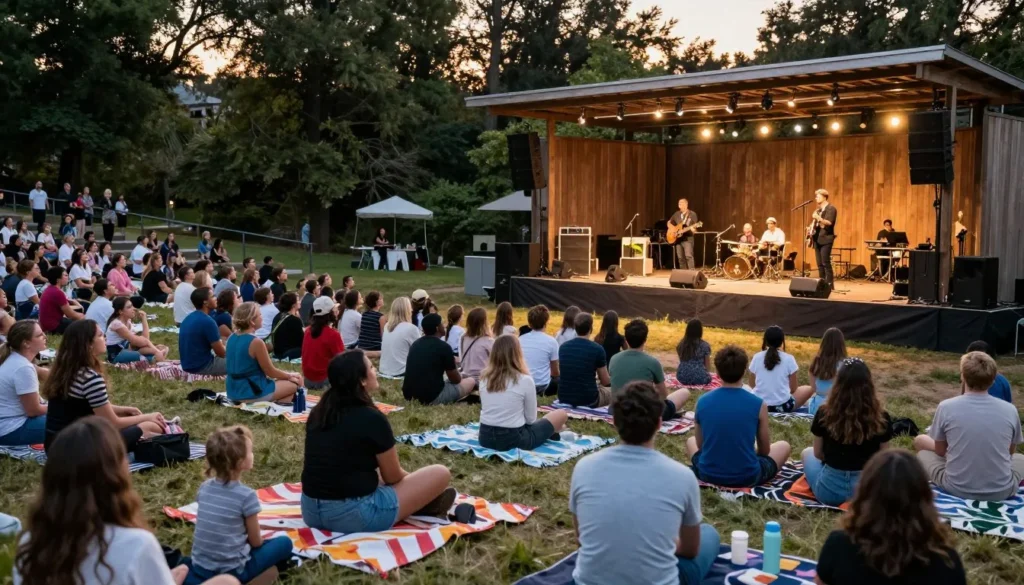
From June through August, the park amphitheater hosts free outdoor concerts. Bluegrass, country, and folk musicians perform on Saturday evenings. Families bring blankets and picnic dinners to enjoy music under the stars.
Autumn Leaf Festival
The nearby town of Pikeville celebrates fall colors with this October festival. The three-day event features craft vendors, carnival rides, and regional food specialties. Many visitors combine this festival with trips to see fall foliage at Cane Creek Falls.
Winter brings the Christmas in the Park celebration. The visitor center decorates with lights, and special holiday programs run on weekends in December. Though fewer people visit during cold months, this event offers a unique way to experience the park.
Getting Around Locally
Navigation within Fall Creek Falls State Park requires understanding the road system and trail network. The park covers over 10,117 hectares (25,000 acres), making it Tennessee’s largest state park.
Personal Vehicle
A personal vehicle provides the most flexibility for exploring. Paved roads connect major attractions including Cane Creek Falls, Fall Creek Falls, and the nature center. Parking lots serve each trailhead and viewing area. Lots fill quickly on weekends during peak season, so arrive early.
The main park road forms a loop that connects most destinations. Speed limits stay low to protect wildlife. Watch for deer, especially during dawn and dusk hours. Several scenic overlooks line the roads, offering pull-off areas for photographs.
Hiking Trail Network
The park maintains 56 kilometers (35 miles) of marked hiking trails. These paths connect various waterfalls and natural features. Trail difficulty ranges from easy walks to strenuous climbs. The Cable Trail provides direct access to the bottom of Cane Creek Falls from the rim-level parking area.
Trail maps are available at the visitor center and online. Bring printed maps as cell phone service remains spotty in many areas. Trail blazes help with navigation, but some junctions can confuse first-time visitors.
Bicycle Options
Bicycles can use paved park roads but not hiking trails. The loop road provides about 16 kilometers (10 miles) of moderate cycling. Hills make the ride challenging in spots. No bike rentals operate within the park, so bring your own equipment.
Park Transportation
No shuttle system operates within Fall Creek Falls State Park. Some organized tour groups arrange private transportation, but individual visitors need their own vehicles. The park layout makes walking between major attractions impractical due to distances.
Navigation Tip: Download offline maps before arriving, as cellular coverage is unreliable. The park provides free Wi-Fi at the visitor center and inn, where you can access digital trail maps and planning resources.
Where to Stay
Fall Creek Falls State Park offers diverse lodging options to suit different preferences and budgets. Reservations book quickly during peak season, so plan ahead.
Fall Creek Falls Inn
The state park inn provides comfortable rooms with modern amenities. Located centrally within the park, the facility offers 72 rooms and suites. Each room features private bathrooms, air conditioning, and views of the surrounding forest. An on-site restaurant serves breakfast and dinner.
Room rates range from $89 to $189 per night depending on season. The inn sits within walking distance of the nature center and swimming pool. Wi-Fi and parking come included with room rates.
Fall Creek Falls Inn – Reservations and availability
Park Cabins
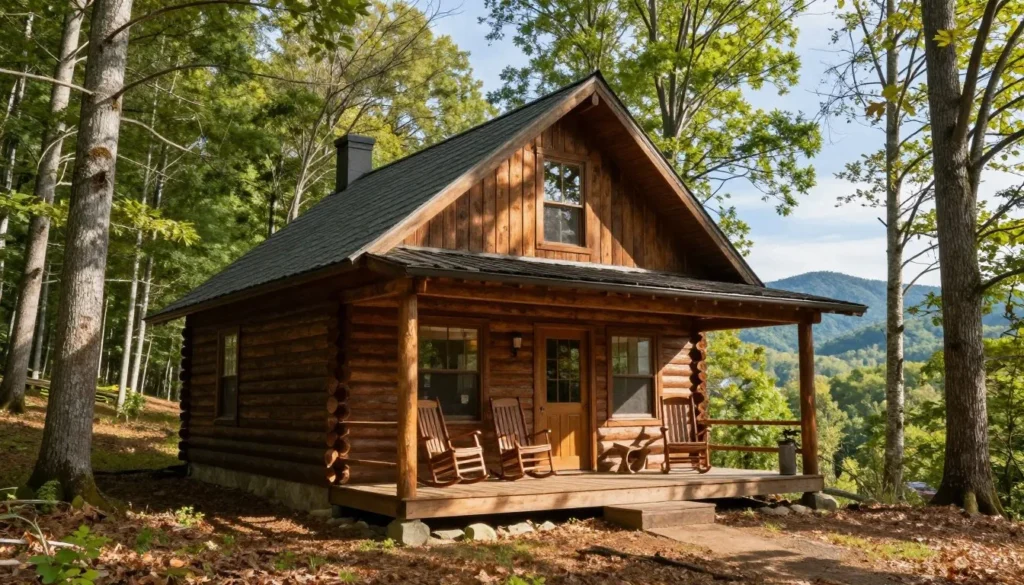
The park maintains 30 rental cabins scattered throughout the property. One-bedroom and two-bedroom options accommodate groups of 4 to 8 people. Each cabin includes full kitchens, bathrooms, heating, and air conditioning. Linens and towels are provided.
Cabins offer more privacy than the inn. Many feature screened porches perfect for morning coffee. Rates start at $125 per night for smaller cabins and reach $275 for larger units during peak season. Book several months ahead for summer and fall weekends.
Camping Options
Three campgrounds provide tent and RV sites. The main campground near the nature center has 227 sites with water and electric hookups. Modern bathhouses include hot showers and restrooms. Sites cost $20 to $32 per night.
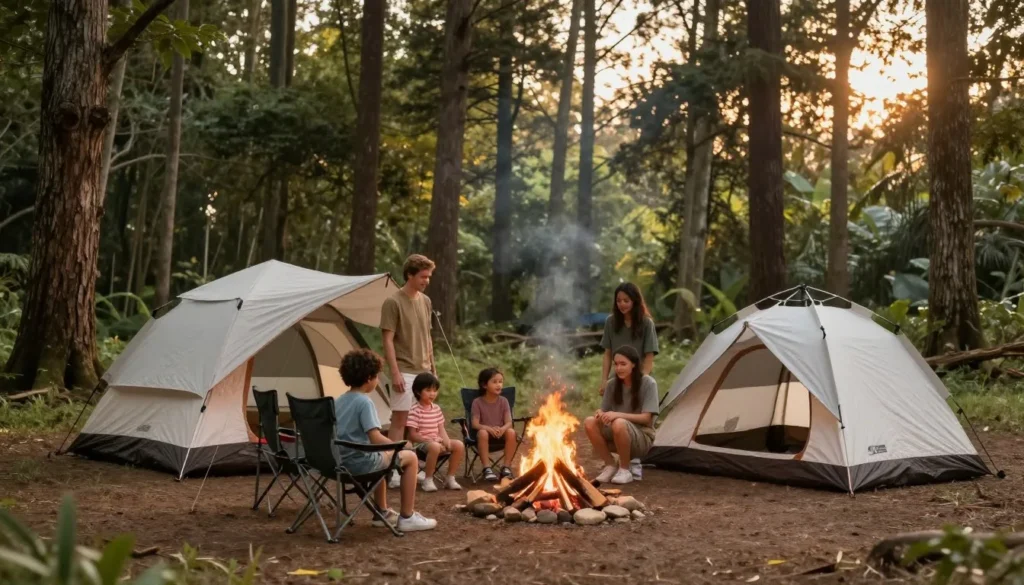
Primitive backcountry camping requires permits available at the visitor center. These sites suit experienced campers seeking solitude. No facilities exist at primitive sites, and campers must pack out all trash.
Nearby Towns
The town of Pikeville, 16 kilometers (10 miles) from the park, has several budget motels. Spencer, 24 kilometers (15 miles) away, offers additional chain hotels. These options cost less than park lodging but require daily driving to reach Cane Creek Falls and other attractions.
Booking Timeline Recommendations
- Summer weekends: Book 3-4 months in advance
- Fall foliage season: Book 4-6 months ahead
- Spring weekdays: Book 1-2 months in advance
- Winter visits: Book 2-4 weeks ahead
Accommodation Features
- Inn: Restaurant access, housekeeping, Wi-Fi
- Cabins: Full kitchens, privacy, porches
- Campgrounds: Nature immersion, lower cost
- All park lodging: Easy trail access
Dining & Local Cuisine
Dining options near Cane Creek Falls range from casual park facilities to authentic Tennessee country cooking. The area showcases traditional Southern Appalachian flavors.

Fall Creek Falls Restaurant
The inn restaurant serves breakfast and dinner daily. Breakfast features traditional American options including eggs, pancakes, and country ham. The morning buffet costs $12 per person and includes coffee or juice.
Dinner menu highlights include fried catfish, country-fried steak, and grilled chicken. Sides showcase Southern favorites like mashed potatoes, green beans, and cornbread. Entrees range from $14 to $24. The dining room overlooks wooded areas through large windows.
Peddler Restaurant
Located near the park entrance, this family restaurant serves lunch and dinner. The menu focuses on burgers, sandwiches, and barbecue. Local favorites include the pulled pork sandwich and homemade pies. Prices stay reasonable at $8 to $16 for most meals.
Picnic Areas
Multiple picnic areas throughout the park offer tables and grills. Many visitors pack coolers with lunch supplies from nearby grocery stores. The picnic area near Cane Creek Falls provides convenient access after hiking. This option saves money and allows flexible meal timing.

Local Specialties
Tennessee country cooking emphasizes fresh ingredients and traditional preparation. Dishes often feature locally raised pork, chicken, and vegetables. Biscuits and gravy appear on most breakfast menus. Sweet tea serves as the unofficial regional beverage.
Several restaurants prepare rainbow trout, a local specialty. The fish comes from nearby hatcheries and is typically served fried or grilled. Catfish remains another popular choice, usually prepared Southern-style with cornmeal coating.
Grocery Options
The nearest full-service grocery stores operate in Spencer and Pikeville. Stock up on snacks, drinks, and picnic supplies before entering the park. The camp store at Fall Creek Falls sells limited items including ice, firewood, and basic provisions.
Several cabin rentals include full kitchens. Grocery shopping allows budget-conscious families to prepare their own meals. This flexibility proves especially valuable for longer stays or visitors with dietary restrictions.
Dining Tip: The inn restaurant can get crowded during peak meal times. Make reservations if possible, or plan to eat before 6 PM or after 7:30 PM to avoid waits. Breakfast service ends at 10 AM on weekdays and 11 AM on weekends.
Attractions, Sightseeing & Activities
Cane Creek Falls serves as the gateway to numerous attractions within Fall Creek Falls State Park. The area offers activities for every interest level and physical ability.
Cane Creek Falls
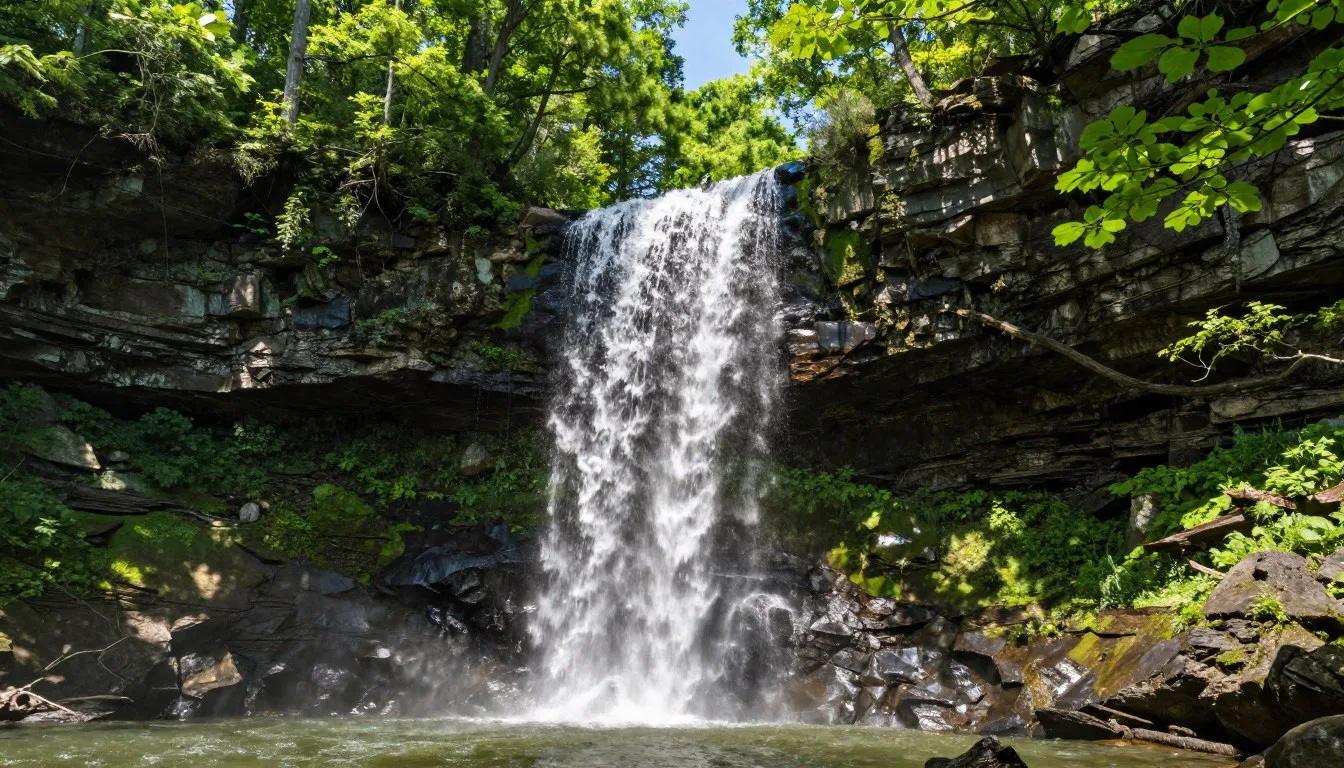
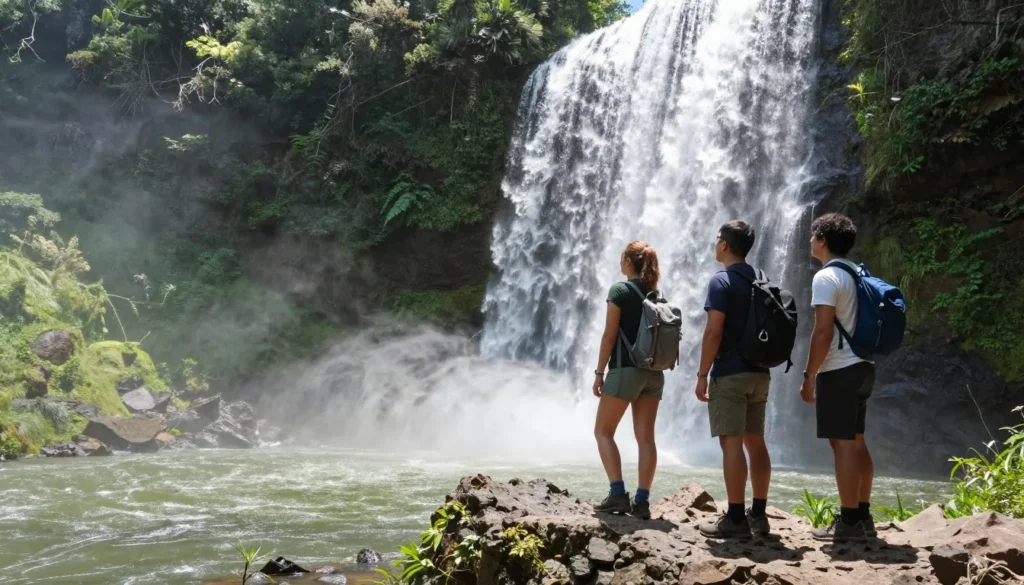
The namesake waterfall drops 26 meters (85 feet) into a scenic gorge. The falls cascade over multiple rock ledges, creating a beautiful tiered effect. A viewing platform at the top offers safe observation from the rim level. Photographers find morning light ideal for capturing the falls without harsh shadows.
The Cable Trail descends 1.6 kilometers (1 mile) to the base of Cane Creek Falls. This steep path uses cable handrails for safety on the most challenging sections. Allow 90 minutes for the round trip. The effort rewards hikers with up-close views of the plunge pool and surrounding rock formations.
Fall Creek Falls
At 78 meters (256 feet), Fall Creek Falls ranks among the tallest waterfalls east of the Rocky Mountains. The main overlook provides spectacular views from the rim. A second observation platform sits partway down the gorge, accessed by a moderate trail.
The waterfall flows year-round but shows its most dramatic volume after spring rains. Mist rising from the base creates rainbows on sunny afternoons. This centerpiece attraction draws visitors from across the country and frequently appears in Tennessee tourism photography.
Cane Creek Cascades
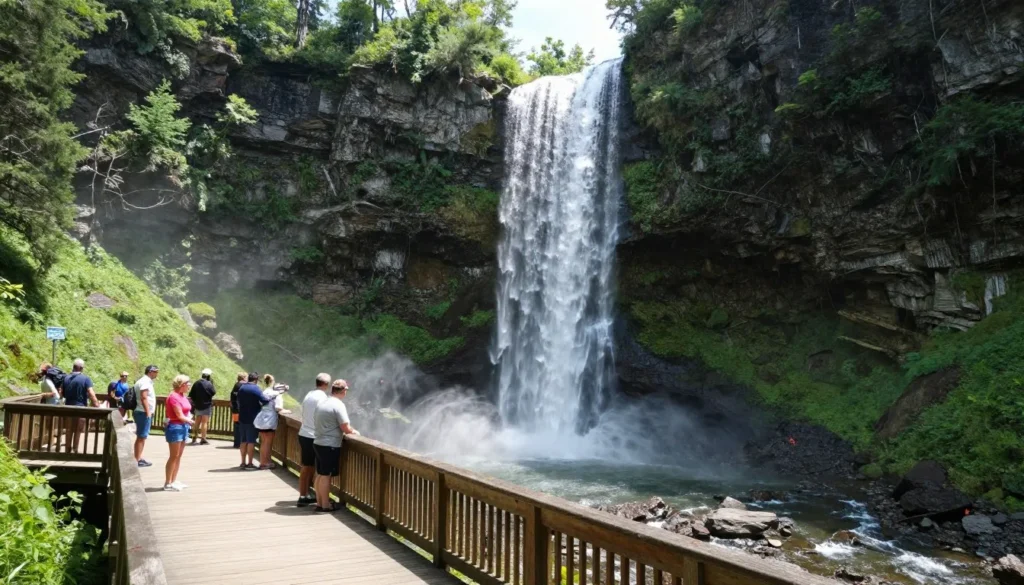
Downstream from Cane Creek Falls, Cane Creek Cascades offers another waterfall experience. This series of smaller falls and rapids extends for several hundred meters. The cascading water creates numerous pools and rock formations. Access requires hiking the Cane Creek Trail from the lower parking lot.
The cascades area receives fewer visitors than the main falls, providing a more peaceful experience. Photographers appreciate the variety of compositions available along the creek. Water levels fluctuate significantly between seasons, with spring offering the most dramatic displays.
Suspension Bridge
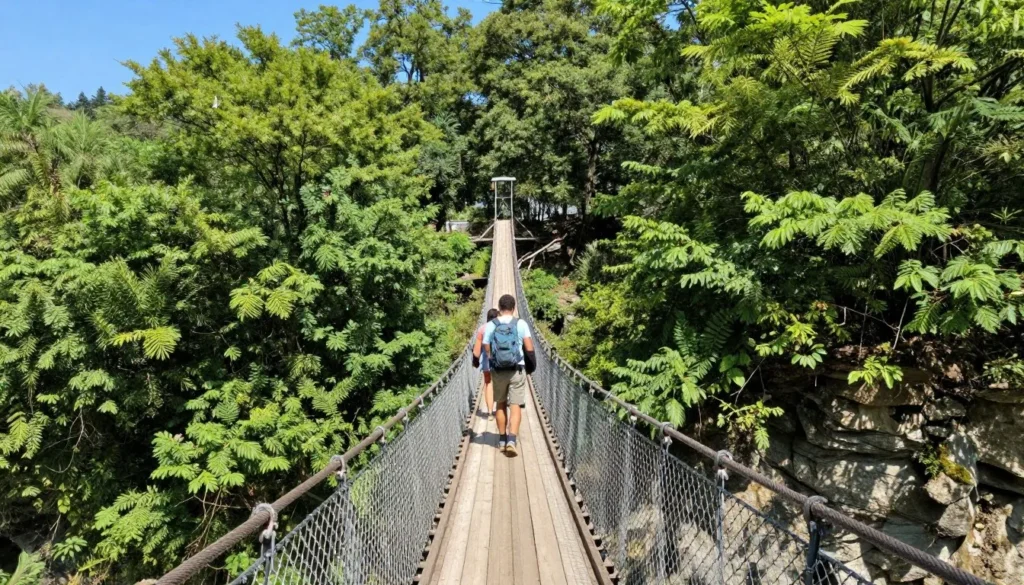
A 26-meter (85-foot) suspension bridge spans Cane Creek Gorge near the falls overlook. Walking across the swaying bridge provides thrilling views down into the canyon. The engineering marvel has served visitors since the 1970s and remains a popular photo opportunity.
Children especially enjoy crossing the bridge, though those afraid of heights may prefer to skip it. The bridge connects to multiple hiking trails, making it a functional route as well as an attraction. Weight limits and group size restrictions ensure safety.
Piney Falls
Located in a separate section of the park, Piney Falls drops 29 meters (95 feet) into a box canyon. A 1.6-kilometer (1-mile) trail leads to the waterfall from a small parking area. The relatively easy hike makes this falls accessible to most visitors.
Piney Creek flows through a narrow gorge with steep walls. The enclosed setting creates unique lighting conditions and echoing sounds. Swimming is possible in the plunge pool during summer months, though water temperatures stay cool year-round.
Rockhouse Falls
This unique waterfall features a cave-like recess behind the falling water. Visitors can walk behind the falls during low water periods. The 5-meter (16-foot) falls flow over a sandstone overhang, creating the dramatic rockhouse formation that gives the falls its name.
Museums, Cultural Spots & Festivals
While Fall Creek Falls State Park focuses primarily on natural attractions, several cultural and educational facilities enhance the visitor experience.
Fall Creek Falls Nature Center
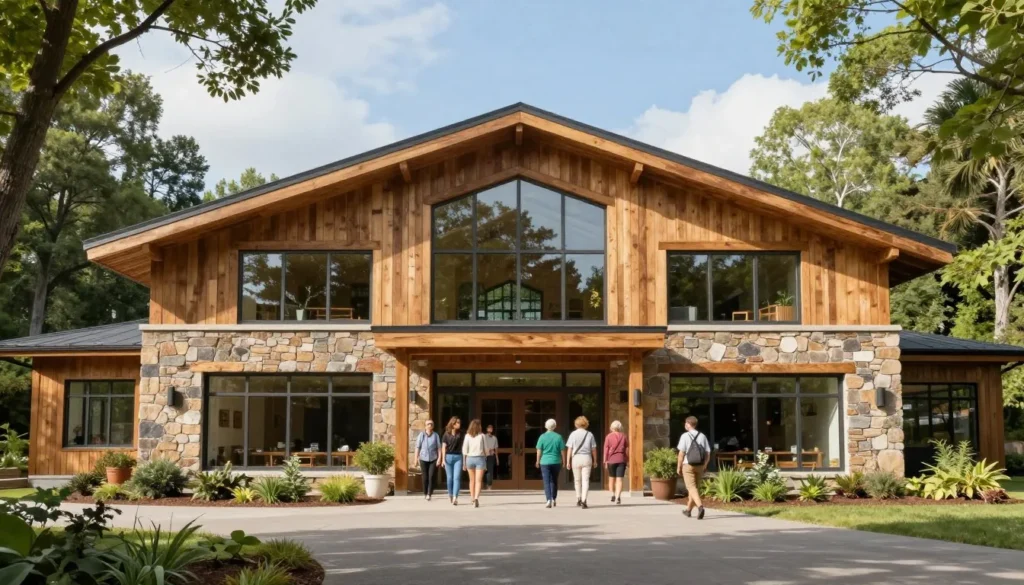
The nature center serves as an educational hub for the park. Interactive exhibits explain the geology, ecology, and natural history of the Cumberland Plateau region. Displays showcase local wildlife including snakes, turtles, and small mammals.
Park naturalists staff the center daily from April through October and on weekends during winter months. They answer questions about trails, wildlife sightings, and park history. Educational programs run throughout the year, focusing on topics like bird identification, wildflowers, and conservation.
Nature Center Information – Program schedules and hours
Historical Sites
The park area has been inhabited for thousands of years. Native American tribes including the Cherokee used these lands for hunting. Artifacts found in the area date back over 10,000 years. While no dedicated museum exists, interpretive signs along trails provide historical context.
Early European settlers arrived in the late 1700s. Remnants of old homesteads and cemeteries dot the park. The nature center maintains a small collection of historical photographs showing the area before it became a state park in the 1930s.
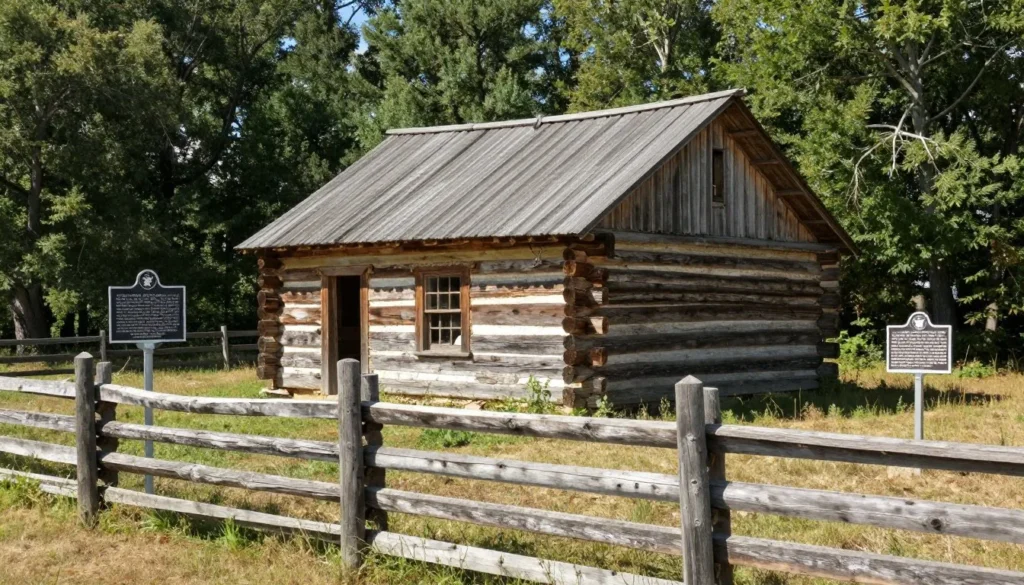
Civilian Conservation Corps Legacy
Much of the park infrastructure dates to the 1930s when the Civilian Conservation Corps worked here. Young men enrolled in this Depression-era program built trails, bridges, and facilities that visitors still use today. Stone walls and rustic architecture throughout the park reflect their craftsmanship.
The main park office building exemplifies CCC construction style. Built from native stone and timber, it demonstrates sustainable building practices. Several interpretive signs throughout the park recognize the CCC’s contributions to Tennessee state parks.
Local Heritage
The surrounding communities maintain strong Appalachian cultural traditions. Bluegrass music remains popular at local gatherings. Traditional crafts including basket weaving, quilting, and woodworking continue through artisan communities in nearby towns.
Spencer hosts a small historical society museum with exhibits on local history. Pikeville preserves several historic buildings in its downtown area. These towns offer glimpses into rural Tennessee life and regional heritage.
Nature & Outdoor Experiences
The natural environment surrounding Cane Creek Falls provides endless opportunities for outdoor recreation. The diverse ecosystems support hundreds of plant and animal species.

Hiking Trails
The park maintains trails ranging from easy nature walks to challenging backcountry routes. The Gorge Overlook Trail provides a 0.8-kilometer (0.5-mile) paved path suitable for wheelchairs and strollers. This accessible trail reaches viewpoints of Fall Creek Falls with minimal elevation change.
The Cable Trail to the bottom of Cane Creek Falls tests physical fitness. The steep descent covers 1.6 kilometers (1 mile) with an elevation drop of 152 meters (500 feet). Steel cables bolted to the rock face assist hikers on the steepest sections. Proper footwear is essential on this challenging trail.
For experienced hikers, the Cane Creek Overnight Loop covers 45 kilometers (28 miles) through backcountry areas. This multi-day trek requires permits and advance planning. The remote trail passes several waterfalls and offers solitude away from day-use areas.
Wildlife Watching
White-tailed deer are commonly seen throughout the park, especially during early morning and evening hours. Wild turkeys forage in forested areas and often cross park roads. Squirrels, chipmunks, and rabbits inhabit the woods near trails.
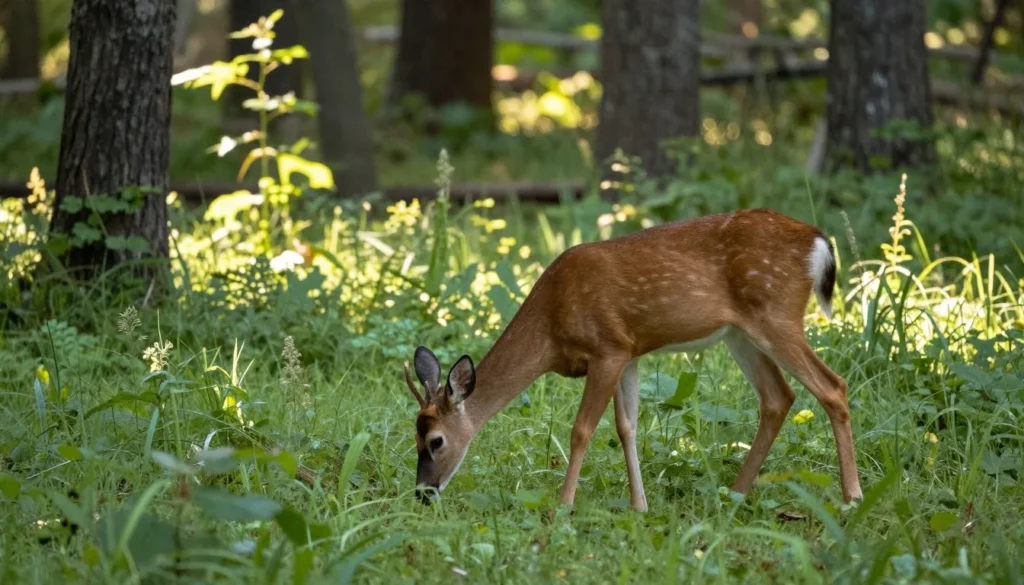
Birdwatchers record over 150 species within the park. Spring migration brings warblers, thrushes, and other songbirds. Year-round residents include woodpeckers, hawks, and owls. The nature center provides bird checklists and identification resources.
Black bears occasionally visit the park, though sightings remain rare. Follow proper food storage guidelines when camping. Never approach or feed wildlife. Maintain respectful distances when observing animals in their natural habitat.
Rock Climbing
The sandstone cliffs around Cane Creek Falls attract rock climbers. Several established routes range from beginner to advanced difficulty levels. Climbers must register at the visitor center and follow park regulations. The rock can be fragile, requiring careful route selection.
Climbing is prohibited in some areas to protect nesting birds during spring months. Always check current closures before planning a climbing trip. Most climbers bring their own gear, as no rental facilities exist nearby.
Swimming Areas
The park operates a pool complex near the nature center. Open from Memorial Day through Labor Day, the facility includes a main pool and children’s wading area. Lifeguards staff the pool during operating hours. Admission costs $5 per person.
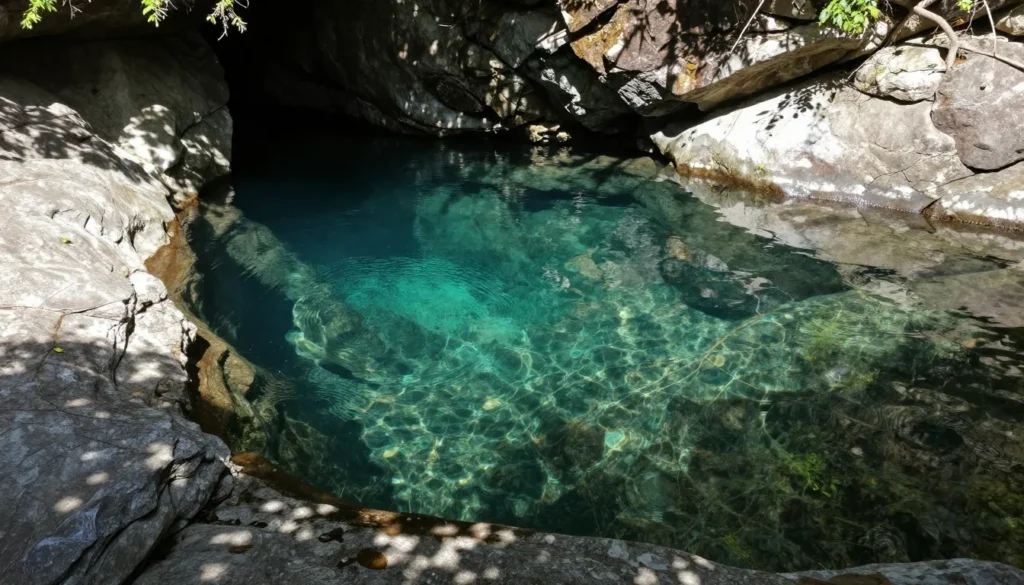
Natural swimming spots exist at several creek locations. The bottom of Cane Creek Falls has deep pools suitable for swimming, though water temperatures stay cold even in summer. No lifeguards patrol natural swimming areas, so swimmers assume responsibility for their own safety.
Fishing
Cane Creek and other park waters support populations of smallmouth bass, rock bass, and bream. Tennessee fishing licenses are required for anyone over 13 years old. The visitor center sells licenses and provides information on current fishing regulations.
Catch-and-release fishing helps maintain healthy fish populations. Use barbless hooks when possible. Some areas restrict fishing during spawning seasons. Check posted regulations before casting a line.
Photography
Cane Creek Falls ranks among Tennessee’s most photographed natural features. Morning light creates ideal conditions for waterfall photography. Bring a tripod for long exposures that smooth the falling water into silky streams.
Spring wildflowers add color to forest photography. Autumn foliage transforms the landscape into brilliant reds and yellows. Wildlife photography requires patience and telephoto lenses. Always practice Leave No Trace principles when positioning for shots.
Travel With Children
Fall Creek Falls State Park welcomes families with children. Many activities suit young visitors, though parents should plan carefully for safe and enjoyable experiences.

Family-Friendly Trails
The Gorge Overlook Trail provides an excellent introduction for children. This paved 0.8-kilometer (0.5-mile) path reaches viewpoints without difficult terrain. Strollers can navigate the entire route. The nature center loop trail offers another easy option with educational signs identifying trees and plants.
Avoid the Cable Trail with young children. The steep descent and cable handrails create hazards for small kids. The suspension bridge fascinates most children, but parents should supervise closely as the bridge sways when people walk across it.
Nature Center Programs
Junior Ranger programs engage children ages 5 to 12. Kids complete activity booklets while exploring the park, then receive badges from park rangers. The program teaches environmental awareness and outdoor skills. Activity booklets are free at the nature center.
Guided nature walks introduce families to local plants and animals. Park naturalists tailor presentations to include children, using hands-on activities and age-appropriate information. Check the activity schedule posted at the nature center for program times.
Swimming and Recreation
The park pool provides safe swimming for families. Separate areas for adults and children allow everyone to enjoy the water. Life jackets are available for young swimmers. The pool area includes restrooms, changing facilities, and a snack bar.

Natural creek areas appeal to children who enjoy wading and exploring. Always supervise kids near water. Rocks become slippery when wet. Pack water shoes to protect little feet from sharp stones. Avoid swimming after heavy rains when water levels rise and currents strengthen.
Playgrounds and Picnic Areas
Several playground areas feature swings, slides, and climbing structures. The main playground sits near the camp store and nature center. Shaded picnic tables surround the play area, allowing parents to watch children while relaxing.
Most picnic areas include grills for cooking. Families can prepare meals while children play nearby. Some sites offer covered pavilions that protect from sun and light rain. These facilities make excellent lunch stops during day trips.
Safety Considerations
Cliff edges present serious dangers. Keep children away from unfenced overlooks. Many viewpoints have protective barriers, but gaps exist. Hold hands with young children near drop-offs.
Trail conditions vary significantly. Rocky paths challenge small legs. Plan shorter hikes than you might attempt without kids. Bring extra snacks and water. Children tire more quickly than adults expect.
Dress children in bright colors to maintain visual contact. Cell phone service is unreliable, so establish meeting points before separating. Teach kids to stay on marked trails and not to approach wildlife.
Family Tip: Visit the nature center first to pick up trail maps and Junior Ranger booklets. Staff can recommend age-appropriate activities based on your children’s interests and abilities. The center’s wildlife displays fascinate most kids and provide educational entertainment.
Money Saving Tips
Visiting Cane Creek Falls and Fall Creek Falls State Park can fit various budgets. Strategic planning helps families and individuals save money while enjoying all the area offers.

Free Activities
Park entrance is free, unlike some Tennessee state parks that charge admission. Hiking, wildlife watching, and waterfall viewing cost nothing. All trails and overlooks remain open to the public without fees. This makes Fall Creek Falls an excellent budget destination.
Nature center programs are free and run frequently during peak season. Junior Ranger activities cost nothing but provide hours of educational entertainment for children. Ranger-led walks and evening programs offer expert guidance without admission charges.
Accommodation Savings
Camping represents the most economical lodging choice. Tent sites start at $20 per night, accommodating up to six people. A family camping for three nights spends far less than a single night at the inn. Modern bathhouses provide comfort despite budget prices.
Book cabins during off-season months for reduced rates. Midweek stays cost less than weekends year-round. Larger cabins sleep up to eight people, making the per-person cost reasonable when split among multiple families or groups.
Hotels in nearby towns charge less than park accommodations. Pikeville motels start around $65 per night. The 16-kilometer (10-mile) drive takes only 20 minutes. Pack breakfast items to avoid restaurant charges each morning.
Food Cost Reduction
Bring coolers stocked with groceries from home. Park picnic areas provide free tables and grills. A family can eat three meals daily for a fraction of restaurant costs. Many cabins include full kitchens, allowing guests to prepare their own meals.
Pack trail snacks and refillable water bottles. The camp store charges premium prices for convenience items. A small cooler with sandwiches, fruit, and drinks saves $50 or more per day for a family of four.
Budget-Friendly Choices
- Camp instead of staying at the inn
- Visit during shoulder seasons (April-May, September-October)
- Pack groceries and cook your own meals
- Focus on free activities like hiking
- Bring entertainment for downtime
Average Cost Savings
- Camping vs. inn: Save $70 per night
- Cooking vs. restaurants: Save $60 daily for family of four
- Off-season cabin rates: Save 20-30%
- Free activities vs. paid attractions elsewhere: Save $100+ per day
Seasonal Timing
Spring and fall shoulder seasons offer pleasant weather with lower accommodation rates. Avoid major holiday weekends when prices peak and crowds surge. Early October provides beautiful foliage before peak leaf-peeping crowds arrive.
Weekday visits cost less across the board. Cabin and inn rates drop significantly Monday through Thursday. Fewer visitors mean more available parking and less crowded trails. Retired folks and remote workers can take advantage of these savings.
Group Discounts
Organize trips with friends or extended family. Splitting cabin costs among multiple families dramatically reduces per-person expenses. Large group camping sites accommodate 20 or more people for minimal additional cost over regular sites.
Some outfitters offer group rates for guided activities. Churches, scout troops, and other organizations can request special pricing. Contact park staff about group programs and potential discounts for large parties.
Safety & Local Customs
Understanding safety protocols and local expectations ensures positive experiences for visitors to Cane Creek Falls and the surrounding area.
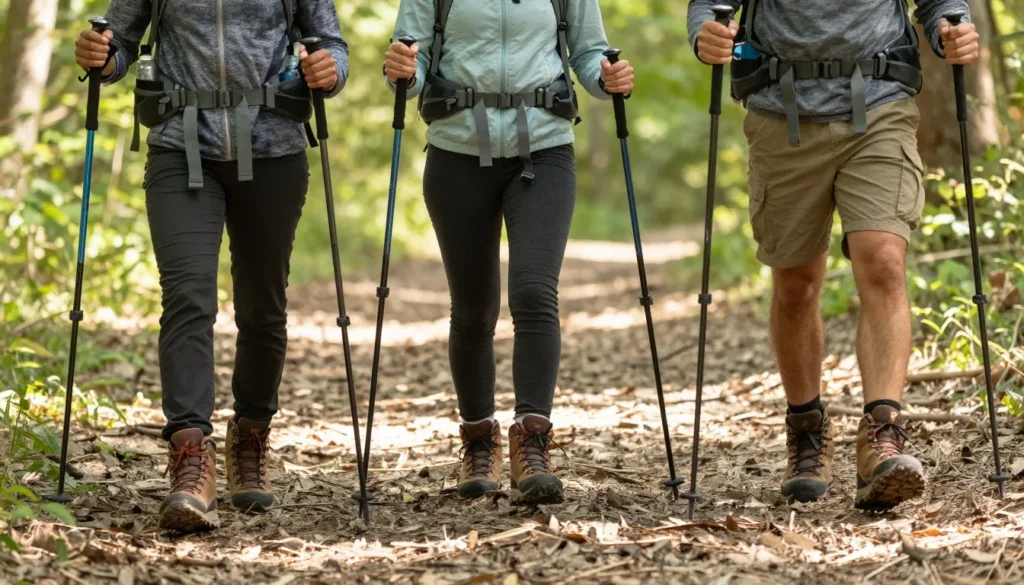
Trail Safety
Stay on marked trails to avoid getting lost and to protect fragile vegetation. Shortcuts cause erosion and damage ecosystems. Trail markers appear regularly, but bring maps as backup. Tell someone your hiking plans before heading out on longer trails.
Wear proper footwear with good tread. Smooth-soled shoes slip on wet rocks and roots. Hiking boots provide ankle support on uneven terrain. The Cable Trail to Cane Creek Falls bottom requires especially sturdy shoes due to steep grades.
Carry adequate water, especially during summer months. Dehydration occurs quickly in humid conditions. Plan for at least one liter per person for every two hours of hiking. Water sources exist in the park but require treatment before drinking.
Weather Hazards
Thunderstorms develop rapidly during summer afternoons. Lightning strikes exposed ridges and tall trees. Seek shelter in buildings or vehicles when thunder sounds close. Avoid overlooks and waterfall viewing areas during electrical storms.
Flash flooding can occur in gorges and creek beds. Water levels rise dramatically within minutes after heavy upstream rainfall. Never attempt creek crossings when water appears high. Some trails close temporarily after storms until conditions improve.
Emergency Contact: In case of emergency, call 911. Cell phone service is unreliable in many areas. Emergency phones are located at the visitor center, nature center, and camp store. Park rangers patrol regularly and can provide assistance.
Wildlife Precautions
Black bears inhabit the area, though encounters remain rare. Store food properly in vehicles or provided bear-proof containers at campsites. Never feed wildlife, as this creates dangerous situations for both animals and future visitors.
Venomous snakes including copperheads and timber rattlesnakes live in the park. Watch where you step and place your hands. Snakes typically avoid people but may strike if surprised or cornered. Wear long pants and boots when hiking off-trail areas.
Ticks are common from spring through fall. Check for ticks after hiking, especially in tall grass areas. Lyme disease and other tick-borne illnesses occur in Tennessee. Use insect repellent and wear light-colored clothing to spot ticks more easily.
Water Safety
Swimming at the bottom of Cane Creek Falls requires caution. Water depths vary, and rocks hide beneath the surface. Cold water temperature shocks some swimmers, even in summer. Never dive into pools without knowing depth and bottom conditions.
Creek crossings become dangerous during high water. Step carefully on wet rocks, which are extremely slippery. Use hiking poles for stability. Turn back if crossings appear unsafe rather than risk injury in remote areas.
Local Customs
Rural Tennessee communities value politeness and friendliness. Greet people you pass on trails and in towns. Local residents appreciate respectful visitors who follow rules and treat natural areas with care.
Sunday remains an important day for many locals who attend church services. Some businesses close or operate limited hours on Sundays. Plan accordingly if visiting on weekends.
Southern hospitality is genuine. People may strike up conversations with strangers. This friendliness is cultural, not intrusive. Most locals enjoy sharing tips about favorite spots and local knowledge.
Leave No Trace Principles
Pack out all trash, including food scraps and biodegradable items. Use designated trails and campsites to minimize impact. Respect wildlife by observing from distances that don’t alter animal behavior.
Avoid removing rocks, plants, or other natural features. Leave places as you found them for future visitors to enjoy. Cultural artifacts and historical items receive special legal protections. Report significant findings to park staff rather than disturbing sites.
Visitor Comments About Cane Creek Falls
Real visitors share their experiences exploring Cane Creek Falls and Fall Creek Falls State Park. These comments reflect the diversity of activities and impressions from recent trips.

“The Cable Trail down to Cane Creek Falls was more challenging than I expected, but absolutely worth the effort. The views from the bottom are spectacular, and we had the area almost to ourselves on a Wednesday morning. Make sure to wear proper hiking boots – the trail gets steep and the cables really do help on the descent. We spent about two hours total including time at the bottom taking photos and enjoying the peaceful setting.”
“We stayed in one of the park cabins for a long weekend with our two kids. The cabin was clean and comfortable, with everything we needed. The best part was being able to walk to multiple trailheads right from our door. We saw Fall Creek Falls, Cane Creek Falls, and several smaller cascades. The nature center kept the kids engaged with their junior ranger program. Our only regret was not staying longer – three days wasn’t enough to explore everything.”
“I’m an avid photographer and had wanted to visit Cane Creek Falls for years. The autumn colors were at peak when we went in mid-October, creating stunning compositions. Morning light on the falls was perfect. I recommend bringing a polarizing filter to cut glare off the water. The suspension bridge provides a unique perspective that most people miss. Plan to spend at least half a day if you’re serious about photography – there are shots everywhere you look.”
Additional Nearby Destinations
The area surrounding Cane Creek Falls offers additional attractions worth exploring. Several destinations complement a visit to Fall Creek Falls State Park.
Savage Gulf State Natural Area
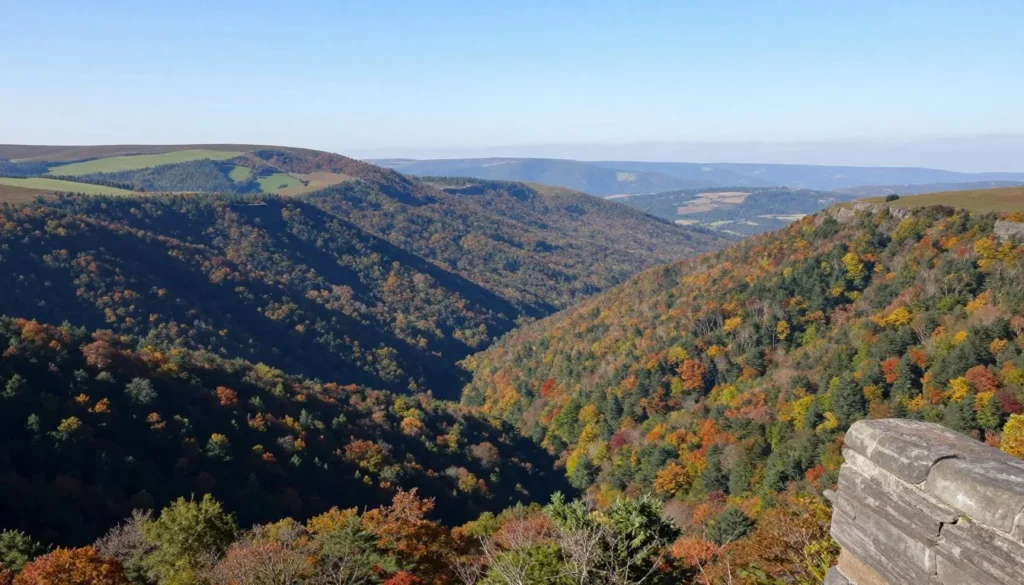
Located 48 kilometers (30 miles) east of Fall Creek Falls, Savage Gulf protects over 6,070 hectares (15,000 acres) of wilderness. Deep gorges, rock formations, and waterfalls attract backpackers and day hikers. The Stone Door formation provides one of the most dramatic geological features in Tennessee.
Multiple trailheads offer access to different sections of Savage Gulf. The backcountry camping here is more primitive than Fall Creek Falls, appealing to experienced outdoor enthusiasts. Several waterfalls including Savage Falls and Greeter Falls reward hikers willing to trek into the gorges.
Rock Island State Park
This 337-hectare (833-acre) park sits 56 kilometers (35 miles) northeast of Fall Creek Falls. The Caney Fork River creates impressive waterfalls and rapids through the park. Great Falls, Twin Falls, and several smaller cascades provide excellent photography subjects.
Rock Island offers kayaking and swimming opportunities. The park’s developed areas include picnic facilities and a small campground. Historic sites include the remains of old mill dams and powerhouses from the early 1900s.
Cumberland Caverns
Located 64 kilometers (40 miles) from Fall Creek Falls, Cumberland Caverns ranks among Tennessee’s largest cave systems. Guided tours explore massive underground rooms filled with formations. The Volcano Room reaches 44 meters (145 feet) high and hosts occasional underground concerts.

Adventure tours include crawling passages and rappelling opportunities for more daring visitors. The cave maintains a constant 13°C (56°F) temperature year-round. Tours last 1 to 4 hours depending on the route chosen.
McMinnville
This town of 13,000 people sits 40 kilometers (25 miles) from the park. McMinnville’s downtown square features antique shops, local restaurants, and historic architecture. The town hosts several annual festivals celebrating local culture and crafts.
Cumberland Caverns Winery operates near the town, offering tours and tastings. Several restaurants serve traditional Southern cuisine at reasonable prices. McMinnville provides convenient shopping for groceries and supplies before heading to the park.
South Cumberland State Park
This massive park system encompasses several separate areas protecting 12,545 hectares (31,000 acres). Notable sections include Grundy Forest, Foster Falls, and Fiery Gizzard Trail. The visitor center in Monteagle provides maps and information about the various access points.
Foster Falls drops 18 meters (60 feet) into a beautiful gorge. Rock climbers use the surrounding cliffs extensively. The area offers primitive camping and dozens of kilometers of hiking trails ranging from easy to very challenging.
Cookeville
This city of 35,000 residents lies 56 kilometers (35 miles) northwest of Fall Creek Falls. Cookeville offers full shopping services, chain restaurants, and entertainment options. The historic downtown features local shops and eateries.
Cookeville serves as a convenient base for exploring multiple state parks. The city’s location along Interstate 40 makes it accessible for travelers passing through Tennessee. Several hotels and motels offer comfortable accommodations at various price points.
Practical Travel Tips
These final practical considerations help visitors prepare for a smooth and enjoyable trip to Cane Creek Falls and Fall Creek Falls State Park.

What to Pack
Bring layered clothing suitable for changing weather conditions. Temperatures can vary significantly between morning and afternoon. Pack rain gear year-round, as showers occur frequently. Waterproof jackets and pants prove essential for hiking comfort.
Sun protection includes sunscreen, hats, and sunglasses. Even cloudy days produce UV exposure. Insect repellent helps during warmer months when mosquitoes and ticks are active. A small first aid kit should include bandages, pain relievers, and any personal medications.
Photography equipment should include extra batteries and memory cards. Tripods help capture smooth waterfall images. Waterproof bags protect gear during unexpected rain. Cell phone service is unreliable, so download maps and information before arriving.
Physical Preparation
Many trails involve significant elevation changes. Build cardiovascular fitness before attempting challenging hikes like the Cable Trail. Start with shorter walks and gradually increase distance and difficulty.
Proper footwear makes huge differences in hiking comfort and safety. Break in new boots before your trip. Blisters can ruin outdoor experiences. Bring moleskin or blister bandages just in case.
Technology and Connectivity
Cell phone coverage is spotty throughout Fall Creek Falls State Park. AT&T and Verizon work better than other carriers, but drop spots exist everywhere. Don’t rely on phones for navigation or emergencies.
Wi-Fi is available at the visitor center, nature center, and inn. Most cabins and campground areas lack internet connectivity. Many visitors appreciate the digital detox that comes with limited connectivity. Bring books or games for entertainment during downtime.
Essential Items Checklist
- Sturdy hiking boots with good tread
- Water bottles (minimum 1 liter per person)
- Trail maps and park brochures
- Rain jacket and extra layers
- Sunscreen and insect repellent
- First aid supplies
- Snacks and lunch for day trips
- Camera and extra batteries
Optional But Helpful Items
- Trekking poles for steep trails
- Binoculars for wildlife viewing
- Field guides for plants and birds
- Portable phone charger
- Lightweight camping chair
- Water filtration system
- Headlamp or flashlight
- Swimsuit for pool or creek swimming
Best Practices
Arrive early at popular trailheads, especially on weekends. Parking lots fill by mid-morning during peak season. Early starts also provide better lighting for photography and cooler temperatures for hiking.
Check weather forecasts before each day’s activities. Plans may need adjustment based on conditions. The visitor center posts daily weather updates and trail condition reports. Staff can suggest alternatives if your planned hike faces closure or hazards.
Respect park rules and regulations. They exist for visitor safety and resource protection. Stay on marked trails, pack out all trash, and follow posted signs. These simple actions preserve Cane Creek Falls for future generations.
Accessibility
The Gorge Overlook Trail is wheelchair accessible and provides excellent views of Fall Creek Falls. Accessible parking spaces are available at all major facilities. The visitor center, nature center, and inn all meet accessibility standards.
Some overlooks and viewing areas accommodate wheelchairs. However, the Cable Trail and many backcountry paths are not accessible. Contact park staff in advance to discuss specific accessibility needs and available accommodations.
Best Resources
The park website provides current information on conditions, closures, and special events. Download trail maps before visiting. The nature center sells detailed topographic maps for serious hikers.
Local Facebook groups share recent trail reports and conditions. Other visitors post photos and tips that help with trip planning. However, always verify information with park staff, as conditions change rapidly.
Your Adventure Awaits at Cane Creek Falls
Cane Creek Falls stands as one of Tennessee’s most captivating natural treasures. From the dramatic plunge of the waterfall to the peaceful forest trails, this destination offers experiences that create lasting memories.
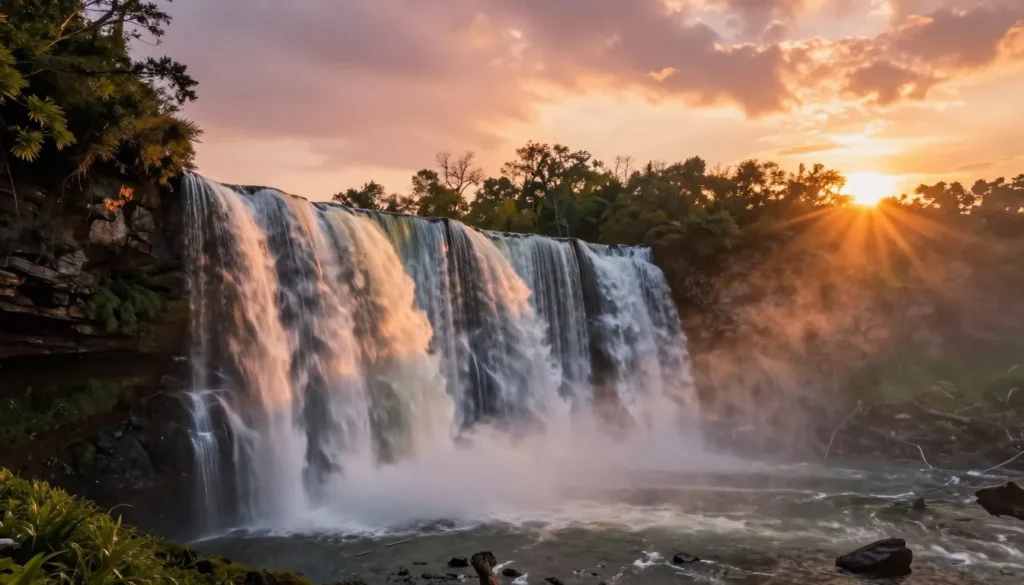
Whether you seek challenging hikes, family-friendly activities, or simply the chance to reconnect with nature, the area surrounding Cane Creek Falls delivers. The combination of stunning waterfalls, diverse trails, comfortable accommodations, and welcoming local communities makes this corner of Tennessee special.
Plan your visit during the recommended seasons. Pack appropriately for outdoor adventures. Respect the natural environment and follow safety guidelines. Most importantly, slow down and immerse yourself in the beauty that drew you here.
The thundering water of Cane Creek Falls, the peaceful forest paths, and the warm Southern hospitality await. Your Tennessee adventure begins now.
The above is subject to change.
Check back often to TRAVEL.COM for the latest travel tips and deals.