Hotels by Trip.com
Flights by Trip.com
Hidden within 1,214 hectares (3,000 acres) of Middle Tennessee wilderness lies one of the largest remaining cedar forests in North America—a living reminder of landscapes that once covered vast portions of the southeastern United States. Cedars of Lebanon State Park protects more than 445 hectares (1,100 acres) of globally rare limestone cedar glades, ecosystems so unique they’re found nowhere else on Earth.
The park derives its name from early European settlers who, upon encountering the magnificent eastern red cedar trees standing sentinel across the limestone barrens, were reminded of the ancient cedars of Lebanon mentioned in biblical texts.
This comprehensive guide unveils everything you need to plan an unforgettable visit to this natural treasure. Whether you’re seeking family camping adventures, challenging hiking trails, or quiet communion with nature, Cedars of Lebanon State Park offers experiences that will stay with you long after you’ve returned home.
Getting There & Planning Your Journey
Cedars of Lebanon State Park sits conveniently between Nashville and Chattanooga, making it easily accessible from multiple directions. The park is located just off Interstate 40 at exit 238, approximately 48 kilometers (30 miles) east of Nashville and 161 kilometers (100 miles) northwest of Chattanooga.
Closest Airports
Nashville International Airport (BNA) serves as the primary gateway, located just 56 kilometers (35 miles) west of the park. The airport offers extensive domestic connections and some international flights. Rental car facilities are available on-site.
Chattanooga Metropolitan Airport (CHA) provides an alternative entry point, situated approximately 177 kilometers (110 miles) southeast. While smaller than Nashville’s airport, it offers convenient access if you’re combining your visit with exploration of southeastern Tennessee.
Driving Directions
From Nashville, take Interstate 40 East for about 45 minutes. Take exit 238 and follow the clearly marked signs north on Cedar Forest Road for 3.2 kilometers (2 miles) to reach the park entrance.
From Knoxville, travel west on Interstate 40 for approximately 161 kilometers (100 miles). Exit at 238 and proceed north on Cedar Forest Road.
The park address is 328 Cedar Forest Road, Lebanon, Tennessee 37090.
Best Time to Visit & Weather Tips
Best Time to Visit Cedars of Lebanon State Park
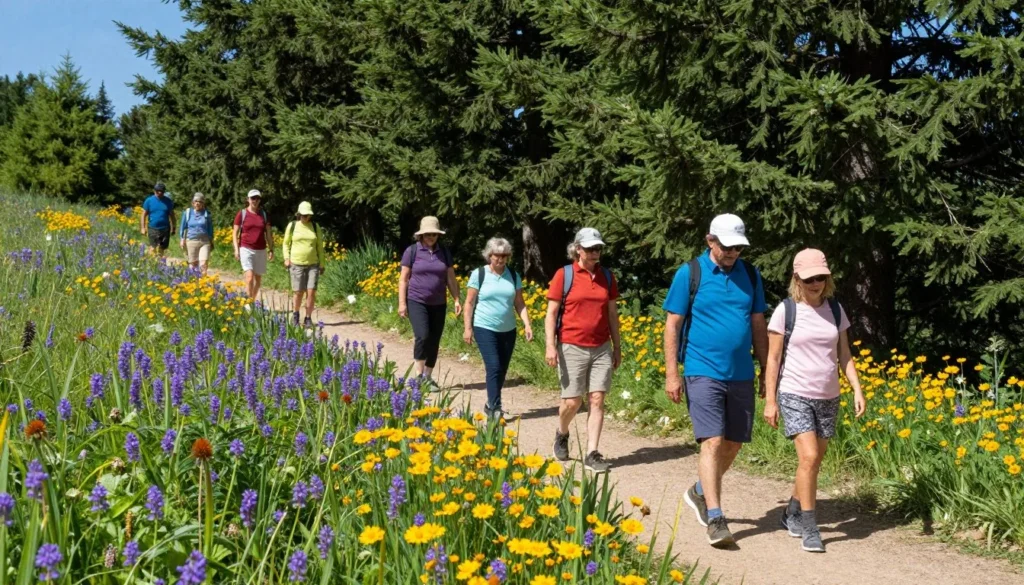
Spring (April through May) stands out as the premier season for visiting Cedars of Lebanon State Park. The cedar glades burst into spectacular bloom during this period, transforming the limestone barrens into a wildflower paradise. Daytime temperatures range from 18°C to 24°C (65°F to 75°F), creating ideal conditions for hiking and outdoor exploration.
Fall (September through October) offers equally compelling reasons to visit. Comfortable temperatures between 16°C to 22°C (60°F to 72°F) make this season perfect for camping and trail activities. The reduced humidity and clear skies provide excellent visibility for nature photography.
Summer months (June through August) bring warm temperatures averaging 27°C to 32°C (80°F to 90°F), with occasional peaks reaching 35°C (95°F). High humidity can make midday hiking challenging, but early morning and evening explorations remain pleasant. The swimming pool at the park provides welcome relief during hot afternoons.
Seasons to Approach with Caution
Winter (December through February) presents the least favorable visiting conditions. Temperatures frequently drop to -1°C to 10°C (30°F to 50°F), and occasional ice storms can make trails treacherous. Many campsites close during this period, and park facilities operate on reduced schedules.
Late summer (late July through August) coincides with the driest part of the year. The cedar glades, adapted to drought conditions, show less visual appeal as vegetation goes dormant to conserve moisture.
Notable Annual Festivals
The Cedar Glade Wildflower Festival takes place each May, celebrating the park’s unique botanical heritage. Guided walks led by botanists showcase rare glade species in full bloom. Expert presentations cover ecology, photography, and conservation topics.
Contact the park office for current festival dates and registration details.
The Annual Outdoor Skills Festival occurs in October, offering hands-on instruction in camping techniques, outdoor cooking, and wilderness skills. Families particularly enjoy the evening campfire programs and stargazing sessions.
Getting Around Locally
A personal vehicle provides the most practical means of exploring Cedars of Lebanon State Park and surrounding areas. Public transportation options are extremely limited in this rural part of Wilson County.
Within the park boundaries, the road system connects all major facilities. Cedar Forest Road serves as the main artery, linking the camping area, day-use sites, and trailheads. All internal roads are paved and well-maintained, suitable for standard passenger vehicles.
For visitors arriving without a car, ride-sharing services from Nashville operate in the region, though availability can be inconsistent. Arrange return transportation in advance, as on-demand services may have limited coverage in this rural location.
Bicycles offer an enjoyable way to move between campsites and facilities within the park. The relatively flat terrain and light traffic make cycling safe and pleasant. However, bicycles are not permitted on hiking trails.
Where to Stay
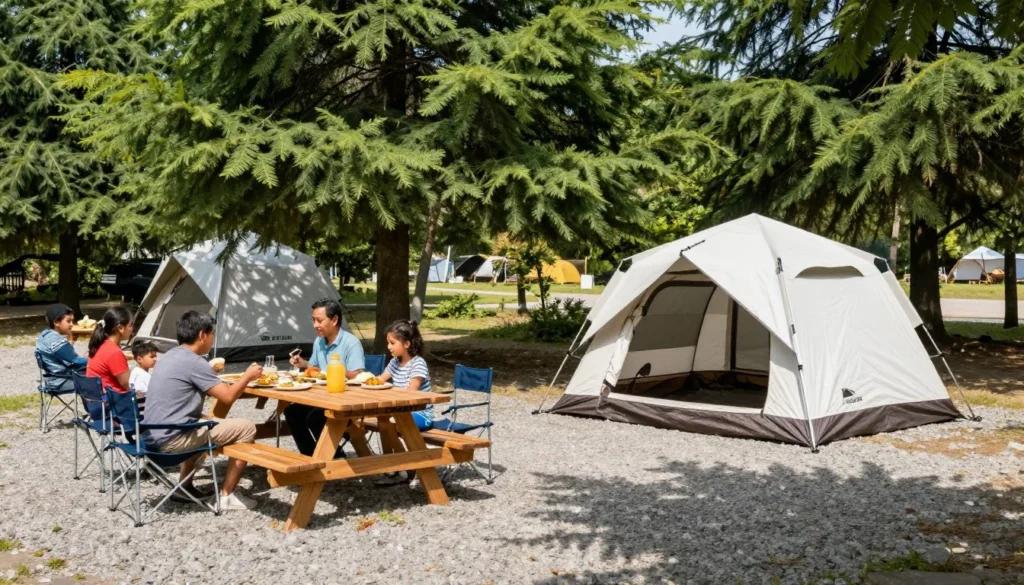
Campground Options Within the Park
Cedars of Lebanon State Park operates 117 campsites, making it one of the larger campgrounds in Tennessee’s state park system. The campground divides into several distinct camping areas, each offering different amenities and environments.
The main campground features 30 sites with full hookups (water, electric, and sewer), ideal for RV campers seeking maximum convenience. Each full-hookup site includes a picnic table and access to nearby bathhouses with hot showers. These sites accommodate RVs up to 12 meters (40 feet) in length.
An additional 87 sites offer water and electric hookups without sewer connections. These sites provide excellent value for tent campers and RVers who don’t require full amenities. Picnic tables and fire rings come standard at each site.
The park maintains modern bathhouses throughout the campground, each equipped with flush toilets, hot showers, and climate control. A central dump station serves RV campers staying at sites without sewer hookups.
Campground Reservations
Sites can be reserved up to one year in advance. Peak season weekends (April through October) fill quickly. Weekday availability remains better throughout the camping season.
Call Monday through Friday, 8:00 AM to 4:30 PM Central Time
Group Camp Facilities
Two group camping areas accommodate organized youth groups, church retreats, and family reunions. These primitive camping areas feature central water access, vault toilets, and large open spaces for group activities. Each area can host up to 50 campers.
Nearby Accommodations
Lebanon, located 11 kilometers (7 miles) west, offers numerous hotels and motels for visitors preferring indoor lodging. Options range from budget-friendly chains to mid-range properties with pools and complimentary breakfast.
The Nashville East Lebanon KOA, situated 13 kilometers (8 miles) from the park, provides an alternative camping experience with additional amenities including a swimming pool, game room, and planned activities during peak season.
Bed and breakfast establishments dot the surrounding countryside, offering personalized hospitality and home-cooked meals. These properties typically require advance reservations, particularly during spring and fall.
Dining & Local Cuisine
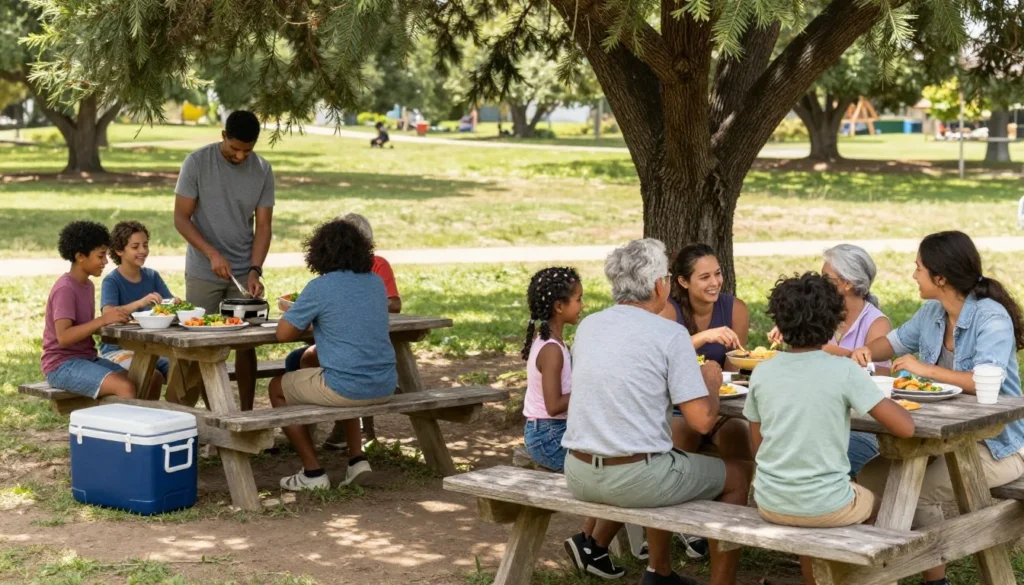
Cedars of Lebanon State Park does not operate restaurants or snack bars within its boundaries. Visitors should plan to bring food supplies or arrange to dine in nearby communities.
Self-Catering at the Park
Each campsite and day-use area provides picnic tables suitable for outdoor meal preparation and dining. Fire rings at campsites allow traditional campfire cooking. Remember to bring charcoal or firewood, as collecting wood within the park is prohibited to protect the ecosystem.
The park’s picnic areas, scattered throughout the property, offer shaded tables perfect for day visitors bringing packed lunches. These areas provide peaceful settings surrounded by cedar forests, making meals part of the overall nature experience.
Nearby Dining Options
Lebanon offers diverse dining choices just a short drive from the park. Local barbecue restaurants serve authentic Tennessee-style smoked meats, with pulled pork and ribs as regional specialties. Many establishments use traditional hickory smoking methods passed down through generations.
Southern comfort food restaurants in Lebanon feature classic dishes including fried catfish, country ham, and homemade biscuits with sausage gravy. These family-owned establishments provide generous portions at reasonable prices.
Chain restaurants along the Interstate 40 corridor offer familiar options for those preferring standardized menus. Fast food, casual dining chains, and coffee shops cluster near the highway exits.
Provisioning for Your Stay
Full-service grocery stores in Lebanon stock everything needed for camping meals. Shop for supplies before arriving at the park to maximize your time in nature. Ice, firewood, and basic camping supplies are available at the park office during business hours, though selection is limited.
Attractions, Sightseeing & Activities
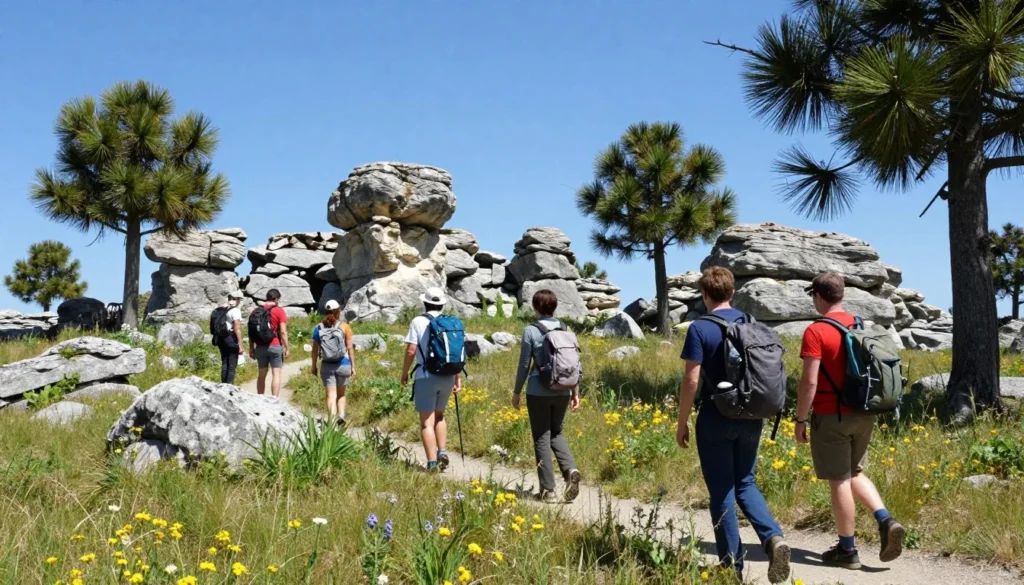
The Cedar Glades: A Global Treasure
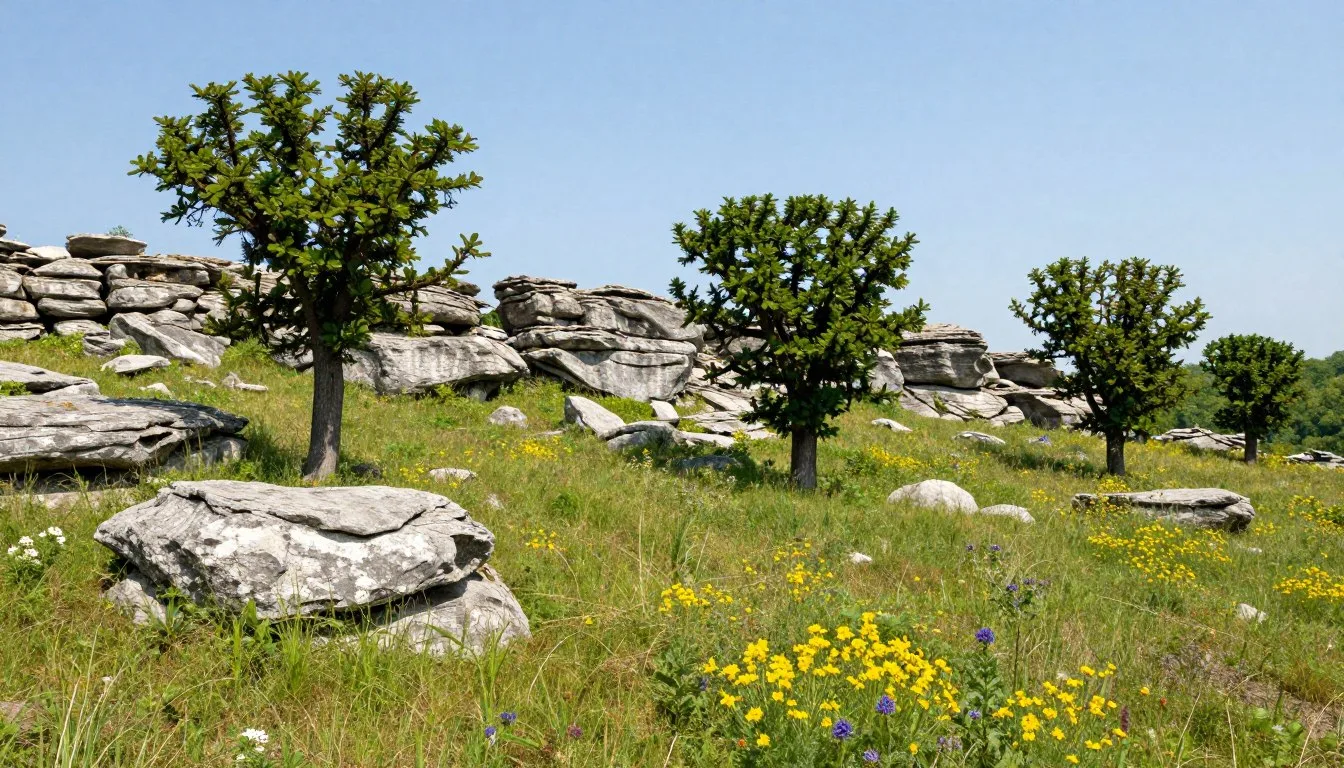
The limestone cedar glades represent Cedars of Lebanon State Park’s crown jewel. These globally rare ecosystems exist only in specific areas of Tennessee and a few neighboring states. The shallow limestone soil and exposed bedrock create harsh growing conditions that only specially adapted plants can tolerate.
More than 25 plant species endemic to cedar glades grow within the park, meaning they exist nowhere else on Earth. The Tennessee purple coneflower, once thought extinct, thrives in these glades. Spring brings explosions of color as glade wildflowers bloom in succession from April through June.
The distinctive red cedar trees that give the park its name grow in scattered groves across the glades. These hardy evergreens withstand the area’s extremes—drought in summer, occasional flooding in winter, and temperature swings throughout the year.
Hidden Springs Trail
This 3.2-kilometer (2-mile) trail loops through diverse habitats, showcasing the park’s ecological variety. The path traverses cedar glades, crosses through mature oak-hickory forests, and follows seasonal streams to hidden limestone springs.
Interpretive signs along Hidden Springs Trail explain glade ecology and identify common plant species. The moderate difficulty level makes this trail accessible to most visitors with basic fitness. Allow 90 minutes for a leisurely walk with time for plant observation and photography.
Dixon-Merritt Trail System
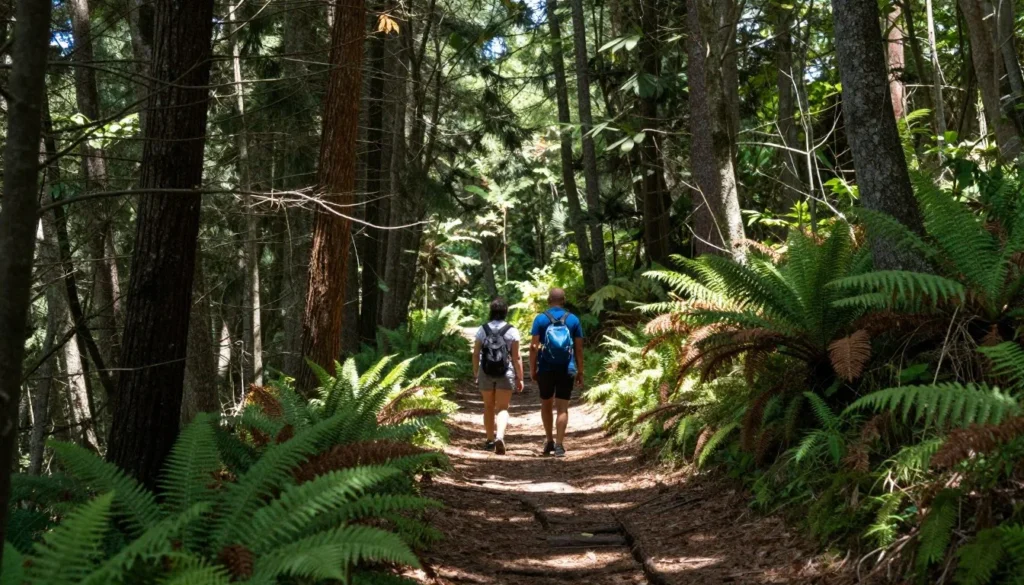
The extensive Dixon-Merritt Trail provides 13 kilometers (8 miles) of hiking opportunities through the park’s backcountry. This trail network connects multiple loops, allowing hikers to choose routes matching their time and energy levels.
The northern section winds through particularly pristine cedar glades, offering solitude and excellent wildlife viewing opportunities. White-tailed deer frequent these remote areas, especially during early morning and evening hours.
Experienced hikers appreciate the trail’s variety, from easy glade walks to challenging climbs through rocky terrain. The complete loop requires 4-5 hours at a moderate pace. Trail markers and maps at major intersections help with navigation.
Bridle Trails for Equestrian Exploration
Cedars of Lebanon State Park maintains 13 kilometers (8 miles) of bridle trails specifically designed for horseback riding. These paths explore the park’s western sections, traversing cedar forests and crossing open glades.
While the park does not offer horse rentals or guided rides, visitors may bring their own horses. A designated parking area with trailer access accommodates equestrians. The bridle trails remain separate from hiking paths to ensure safety and minimize trail impact.
Swimming Pool Recreation
A seasonal swimming pool operates from Memorial Day weekend through Labor Day, providing refreshing relief during hot Tennessee summers. The pool complex includes a main swimming area and a separate children’s wading pool.
Lifeguards staff the facility during all operating hours. Modest admission fees apply. The pool area includes changing rooms, shaded seating, and a small concession stand selling snacks and cold drinks.
Disc Golf Course

An 18-hole disc golf course winds through 2.4 hectares (6 acres) of mature cedar forests. The challenging layout incorporates natural obstacles including trees, elevation changes, and glade openings.
Disc golf attracts players ranging from beginners to tournament-level competitors. The course remains open year-round at no charge. Players must bring their own discs, as the park does not rent equipment.
Museums, Cultural Spots & Festivals
Park Nature Center and Museum
The park’s nature center serves as an excellent starting point for first-time visitors. Exhibits explain cedar glade ecology, showcase native wildlife, and trace the area’s human history from prehistoric settlements through European colonization.
Mounted specimens of rare glade plants help visitors identify species they’ll encounter on trails. Detailed displays describe how Native American communities used local plants for food, medicine, and crafts.
The nature center opens during spring and summer months, typically from 10:00 AM to 4:00 PM. Hours vary seasonally, so check current schedules when planning your visit.
Civilian Conservation Corps Legacy
During the 1930s Great Depression, the Civilian Conservation Corps transformed this area into a state park. Young men stationed here constructed roads, built facilities, and planted thousands of trees.
Several CCC-era structures still stand throughout the park, including stone picnic shelters and the distinctive rock walls lining Cedar Forest Road. These buildings showcase the craftsmanship and dedication of Depression-era conservation workers.
Interpretive markers at several CCC sites tell stories of camp life and the important role these workers played in developing America’s public lands. The park’s group lodge, built by the CCC in 1937, continues serving visitors today.
Seasonal Ranger Programs
Park naturalists lead guided walks and evening programs during peak seasons. These free programs cover topics ranging from wildflower identification to nocturnal wildlife observation.
Evening campfire programs combine education with entertainment. Rangers share local legends, demonstrate outdoor skills, and discuss conservation challenges facing cedar glades. These programs particularly appeal to families with children.
Check the park office bulletin board or call ahead for current program schedules. Most activities require no advance registration—simply arrive at the designated meeting point.
Nature & Outdoor Experiences
Wildlife Watching Opportunities
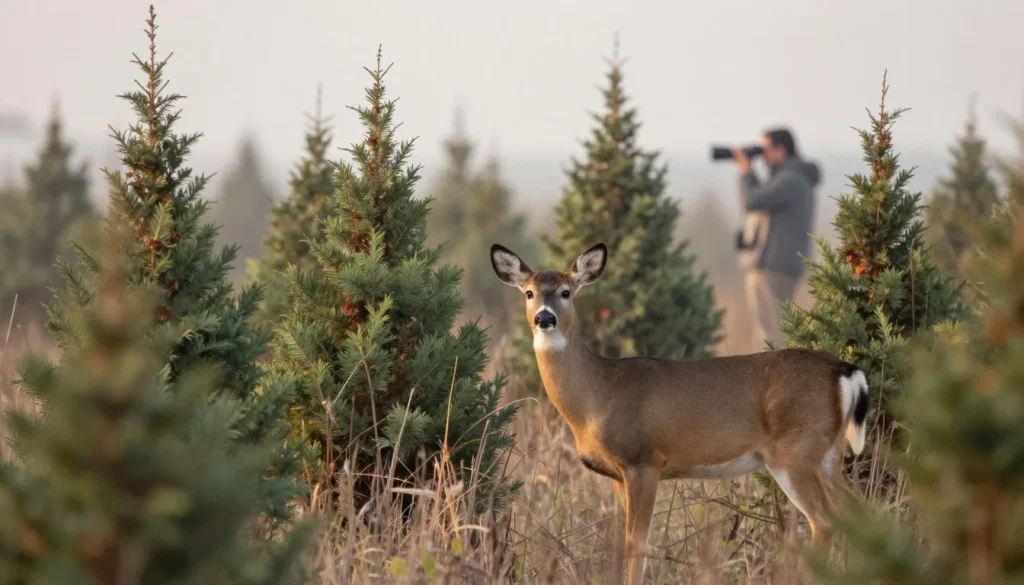
White-tailed deer represent the park’s most commonly observed large mammals. These adaptable creatures browse on glade vegetation and forest understory plants. Dawn and dusk provide the best viewing times, particularly along forest edges.
Wild turkeys roam the park in family groups, their distinctive gobbling calls echoing through cedar forests during spring mating season. Patient observers can watch these impressive birds foraging for insects and seeds in woodland clearings.
Armadillos, relative newcomers to Tennessee, have established populations within the park. These unusual mammals forage for grubs and insects, their armored shells providing protection from predators.
Birdwatching Paradise
More than 150 bird species have been documented at Cedars of Lebanon State Park. The diverse habitats attract different species throughout the year, making every season rewarding for birders.
Prairie warblers, specialized cedar glade inhabitants, arrive in April to breed. Their distinctive songs fill the glades throughout late spring and summer. These small yellow birds build nests in low cedar branches.
Migrating warblers pass through the park each spring and fall, creating spectacular birding opportunities during peak migration windows. The Hidden Springs Trail provides excellent warbler-watching vantage points.
Red-tailed hawks soar above open glades hunting for small mammals. Sharp-shinned hawks patrol forest edges, pursuing songbirds through dense vegetation. Winter brings bald eagles to the region, occasionally spotted soaring over the park.
Wildflower Viewing Calendar

April marks the beginning of the cedar glade wildflower spectacular. Early bloomers include the federally endangered Tennessee purple coneflower, which paints glades purple from mid-April through May.
Glade coreopsis adds splashes of yellow throughout May, its cheerful flowers attracting numerous butterfly species. Nashville breadroot, a rare legume, produces white flowers in late spring.
June brings Eggert’s sunflower into bloom. This globally rare plant grows only in Middle Tennessee cedar glades, making Cedars of Lebanon State Park one of the few places to see this species in the wild.
Fall asters and goldenrods create golden displays from September through October. These late-season bloomers provide crucial nectar for migrating monarch butterflies.
Photography Tips and Locations
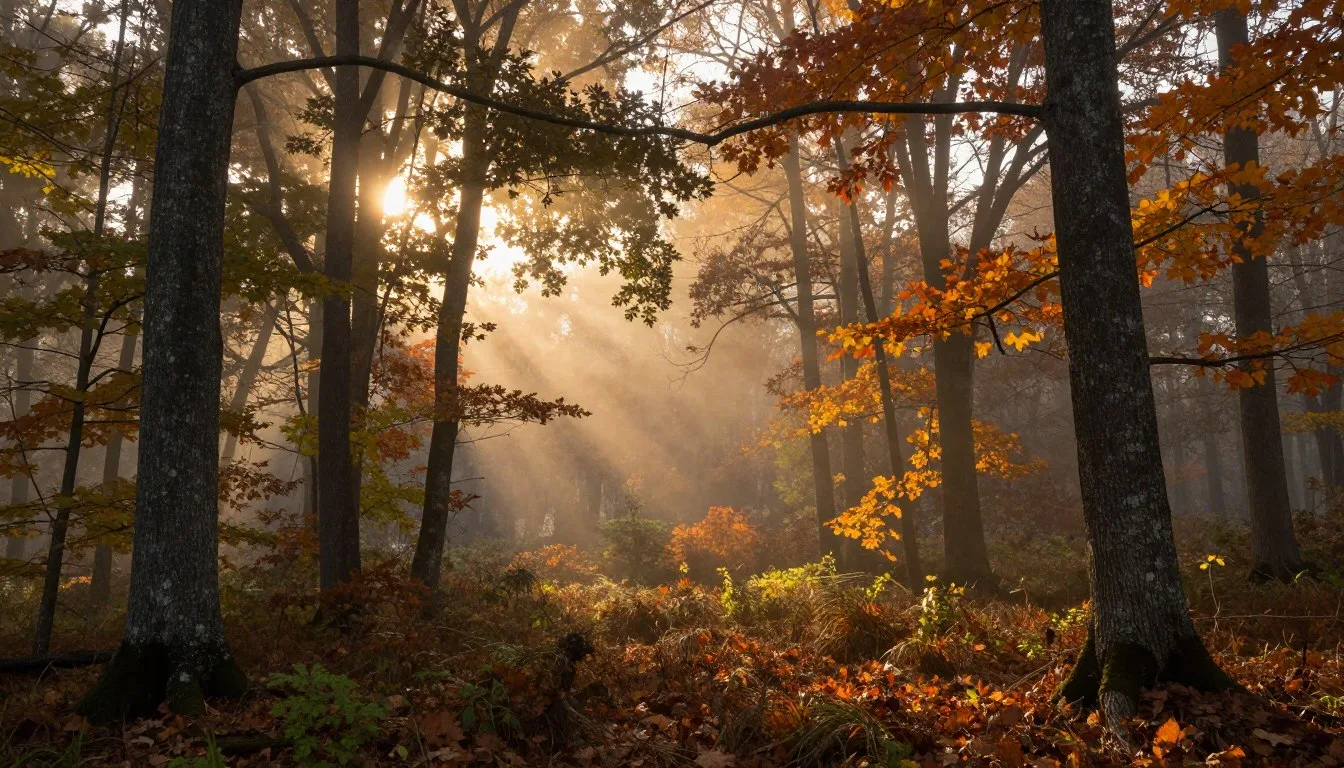
Early morning light produces the most dramatic photographs in the cedar glades. Mist often rises from low-lying areas, creating ethereal scenes as sunlight filters through cedar branches.
The limestone outcrops along Hidden Springs Trail offer excellent composition opportunities, combining geological features with botanical subjects. Exposed bedrock provides interesting foreground elements for landscape images.
Wildflower photography benefits from overcast days, which eliminate harsh shadows and provide even lighting. A macro lens captures intricate details of rare glade species.
Seasonal Nature Experiences
Winter transforms the park into a quiet retreat. Leafless trees reveal landscape contours hidden during growing season. Snow occasionally blankets the glades, creating striking contrasts against dark cedar foliage.
Spring brings explosive growth as the forest floor comes alive with ephemeral wildflowers. These brief bloomers must flower and set seed before tree canopy closes overhead, blocking sunlight from the ground.
Summer showcases the cedar glades at their harshest. Shallow soils dry completely, and temperatures on exposed limestone can exceed 49°C (120°F). Adapted plants survive through specialized drought tolerance mechanisms.
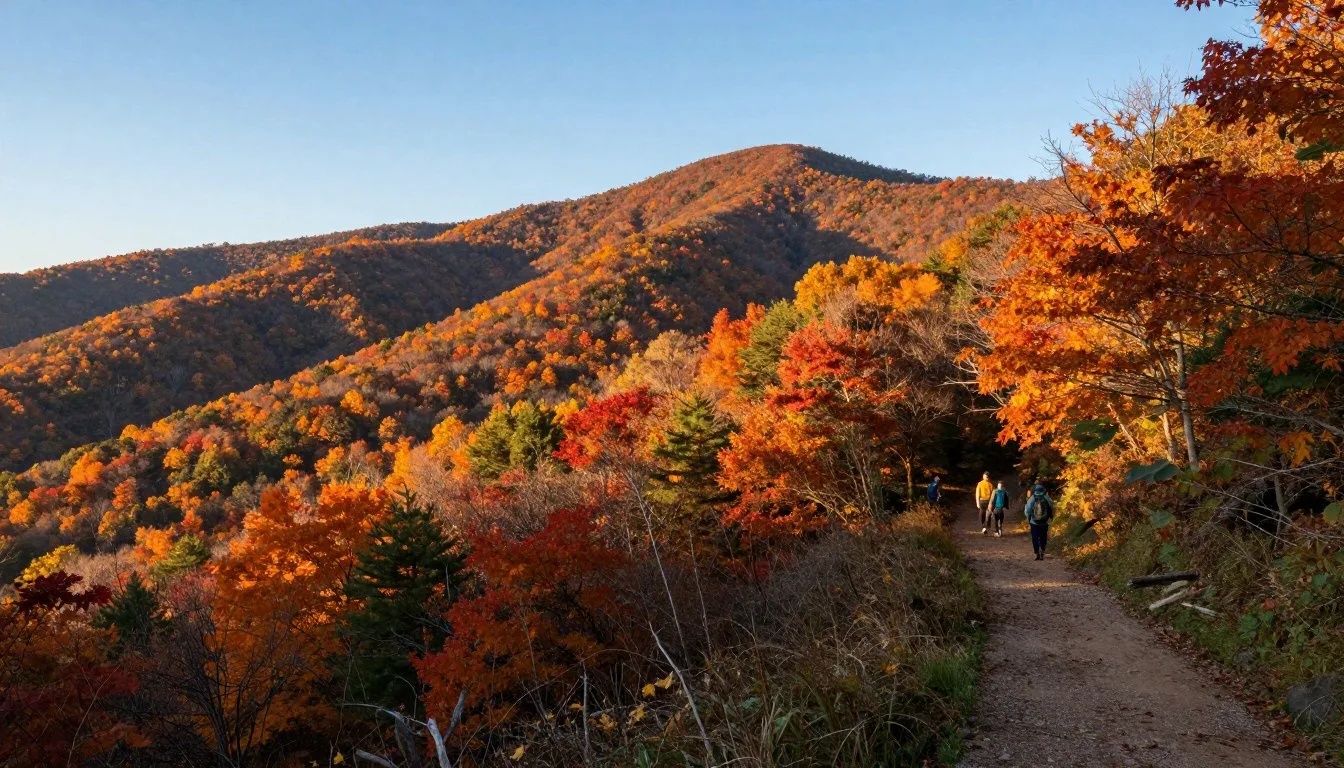
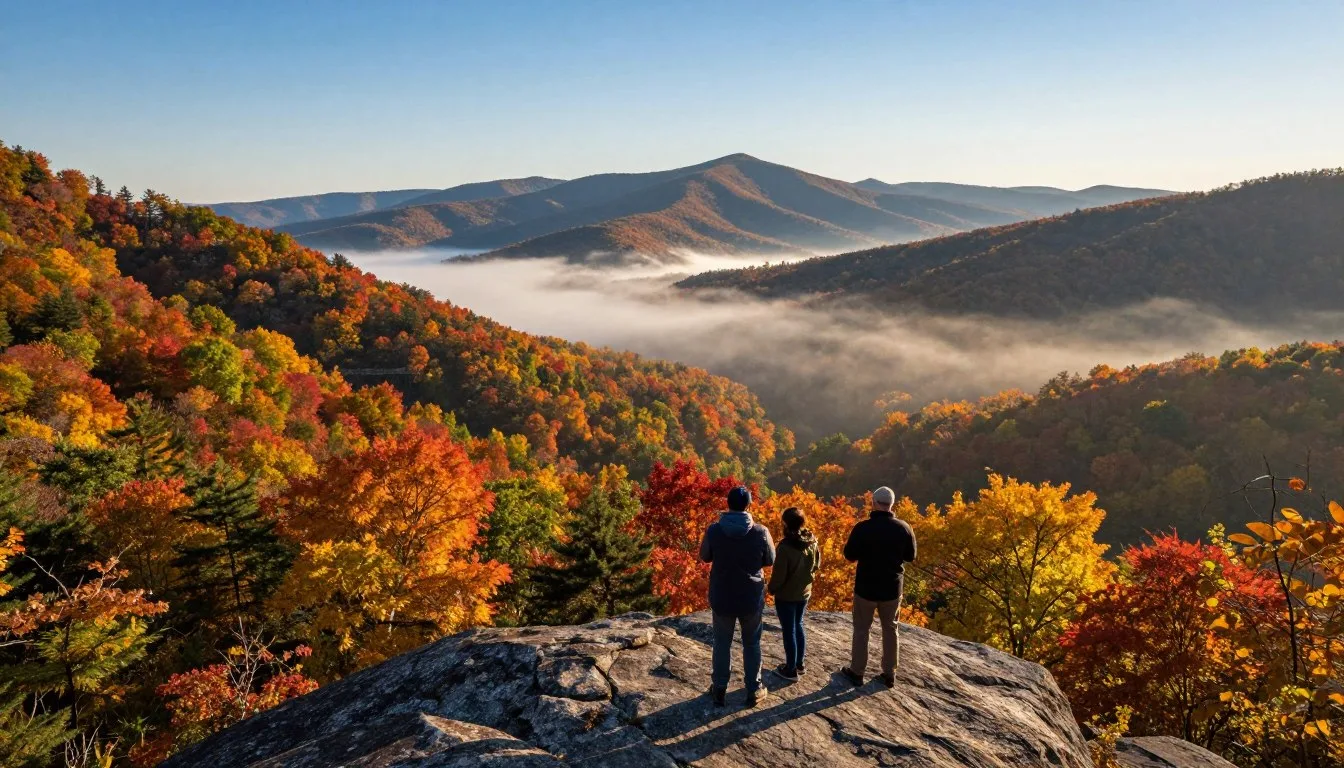
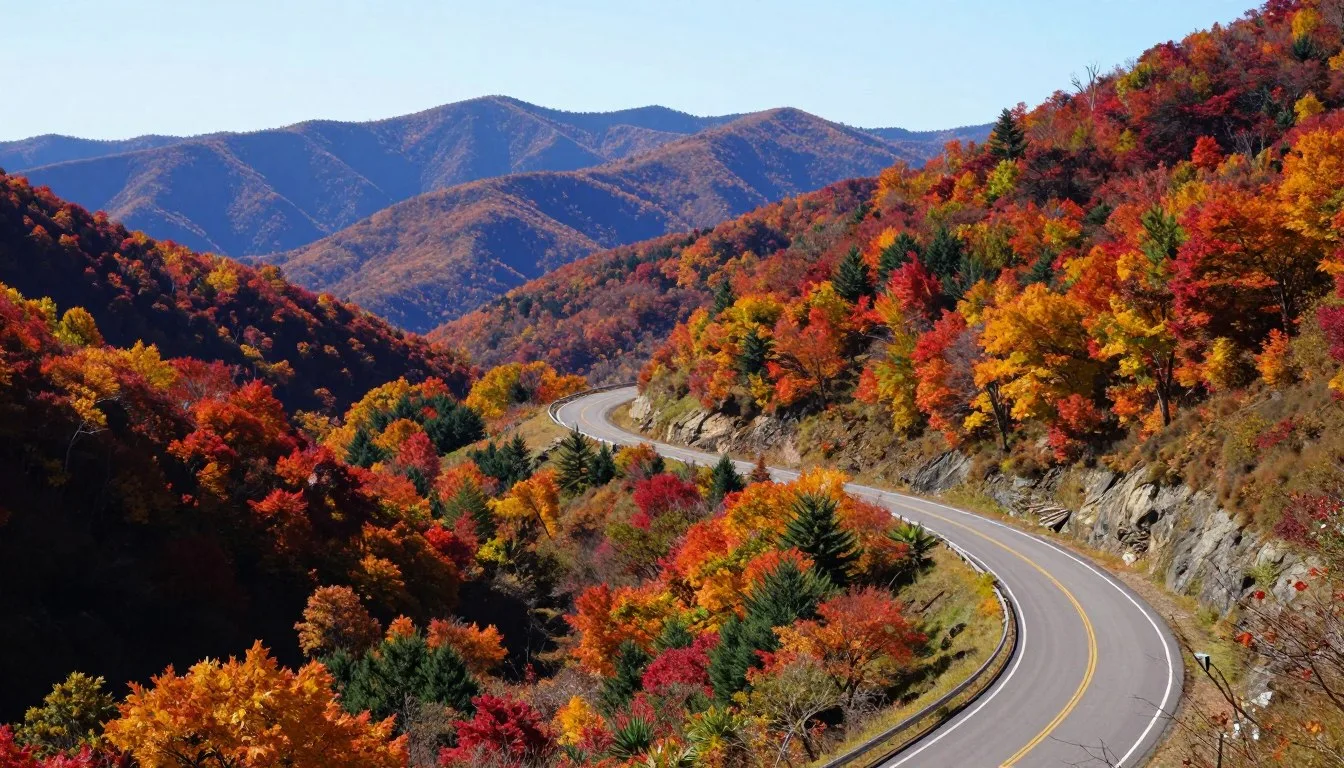
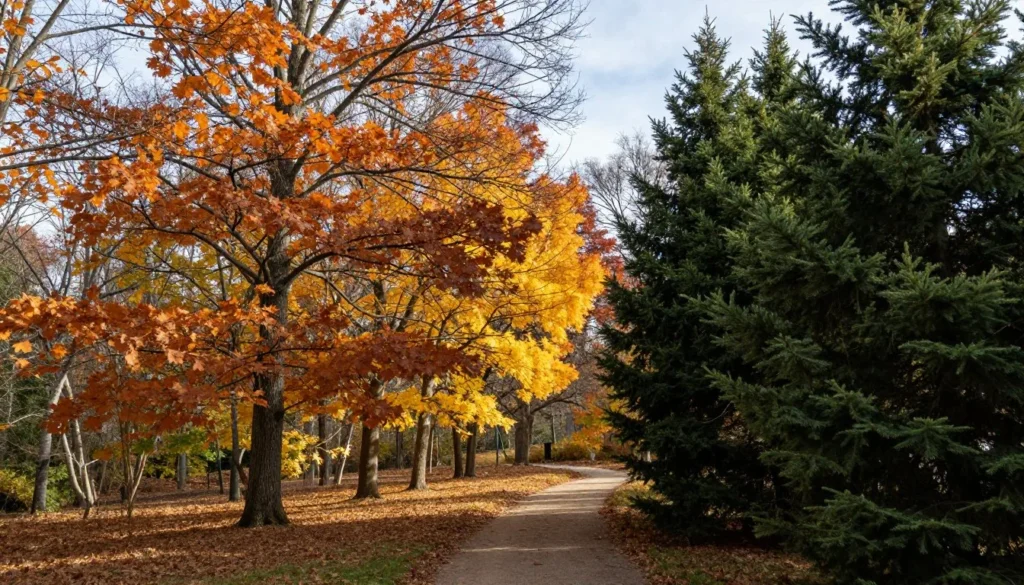
Fall offers comfortable temperatures and reduced humidity. Hardwood trees display autumn colors, contrasting beautifully with evergreen cedars. Reduced vegetation density improves long-distance views across the landscape.
Travel With Children

Family-Friendly Trails and Activities
The short nature trail near the park office provides an ideal introduction to cedar glades for young children. This 0.8-kilometer (0.5-mile) loop features gentle terrain and takes about 30 minutes at a child-friendly pace.
Interpretive signs written at elementary reading levels teach children about glade ecology. Colorful illustrations help identify common plants and animals. Families can turn the walk into a scavenger hunt, searching for species pictured on the signs.
The park’s playground equipment offers traditional recreation options including swings, slides, and climbing structures. The playground sits in a shaded area near the swimming pool, making it easy to supervise children engaged in different activities.
Junior Ranger Program
Children can participate in the Tennessee State Parks Junior Ranger program at Cedars of Lebanon. Activity booklets guide kids through educational exercises about park ecology and history.
Completed booklets earn children official Junior Ranger certificates and badges. The program encourages outdoor exploration while teaching conservation values. Pick up free booklets at the park office during operating hours.
Safe Camping with Kids
Family camping at Cedars of Lebanon State Park creates lasting memories while introducing children to outdoor living. Choose campsites in the main campground area for proximity to bathhouses and reduced walking distances.
Sites with water and electric hookups make family camping more comfortable. Access to electricity allows nightlights for nervous young campers and powers devices for keeping food cold.
The swimming pool provides safe water recreation during summer months. Lifeguard supervision allows parents to relax while children enjoy swimming and water play.
Educational Opportunities
Nature center exhibits engage children with hands-on displays and interesting specimens. Kids particularly enjoy the wildlife mounts and the opportunity to touch plant specimens.
Ranger-led programs adapt content for family audiences. Evening campfire programs combine entertainment with education, holding children’s attention through storytelling and demonstrations.
The cedar glades themselves provide living classrooms. Children learn that special adaptations allow plants to survive extreme conditions. These lessons about resilience and adaptation extend beyond biology to life skills.
Money Saving Tips
Free and Low-Cost Activities
All hiking trails remain free to access year-round. The extensive trail network provides days of exploration without spending money beyond the small park entrance fee.
Day-use areas with picnic tables cost only the standard park entry fee. Pack a cooler with homemade lunches to avoid restaurant expenses while enjoying scenic outdoor dining.
The disc golf course offers free recreation for those with their own equipment. An inexpensive set of discs provides hours of entertainment for the entire family.
Camping Cost Efficiency
Primitive campsites cost less than sites with hookups. If you can manage without electricity and water connections, significant savings accumulate over multi-night stays.
Weekday camping rates run lower than weekend prices during peak season. Plan visits Sunday through Thursday for the best campsite value.
Tennessee residents age 62 and older receive discounted entry fees and camping rates. Always bring identification to claim available senior discounts.
Seasonal Savings
Visit during shoulder seasons (March and November) for reduced campground rates. While weather may be less predictable, the money saved can be substantial for budget-conscious travelers.
The swimming pool charges modest admission fees during summer. Consider this cost when budgeting for warm-weather visits, or plan water activities around natural features instead.
Self-Sufficiency Strategies
Bring all necessary camping supplies from home rather than purchasing items at marked-up prices in tourist areas. Create a reusable camping kit that stays packed and ready for trips.
Purchase firewood and ice in Lebanon before entering the park. Grocery store and gas station prices typically run lower than park office rates for these items.
Pack complete meals and snacks rather than relying on restaurant dining during your stay. A well-stocked cooler and camp stove eliminate the need for expensive meal purchases.
Safety & Local Customs
Wildlife Safety Guidelines
White-tailed deer appear docile but can behave unpredictably, especially during fall mating season. Never approach or attempt to feed deer. Maintain a distance of at least 15 meters (50 feet) when observing wildlife.
Venomous snakes including copperheads and timber rattlesnakes inhabit the park. These reptiles avoid confrontation and typically retreat when given space. Watch where you place hands and feet while hiking, especially in rocky areas.
Ticks become active from early spring through fall. These parasites can transmit diseases including Lyme disease and Rocky Mountain spotted fever. Wear long pants tucked into socks when hiking through vegetation. Conduct thorough tick checks after outdoor activities.
Environmental Hazards
Summer heat combined with high humidity creates dangerous conditions for unprepared visitors. Drink water frequently, even before feeling thirsty. Carry at least one liter (one quart) of water per person for each hour of hiking planned.
The exposed limestone in cedar glades absorbs solar radiation, creating surface temperatures far exceeding air temperature. Heat exhaustion develops quickly in these environments. Schedule glade exploration during morning hours when temperatures remain moderate.
Thunderstorms develop rapidly during summer afternoons. Lightning poses serious danger in exposed glade areas where tall objects are scarce. Monitor weather conditions and return to sheltered areas when storms approach.
Trail Safety Practices
Trail conditions vary seasonally. Spring rains create muddy sections and temporary stream crossings. Winter ice makes rocky areas treacherous. Adjust hiking plans based on recent weather and current conditions.
Cell phone coverage throughout the park is spotty and unreliable. Don’t count on being able to call for help in emergencies. Inform someone of your hiking plans and expected return time before heading out.
Carry a basic first aid kit on all hikes. Include bandages, antiseptic, pain relievers, and any personal medications. A whistle for signaling and a flashlight for unexpected delays add valuable safety margin.
Camping Safety
Store all food in vehicles or secure containers to prevent wildlife attraction. Even small crumbs or spills can draw animals into camping areas. This protects both campers and wildlife from potentially dangerous encounters.
Never leave campfires unattended. Completely extinguish fires before sleeping or leaving the campsite. Drown fire rings with water and stir ashes until everything feels cool to touch.
Be aware of poison ivy, which grows abundantly throughout the park. Learn to recognize this plant’s distinctive three-leaflet pattern. Avoid contact with leaves, stems, and roots, as all plant parts contain irritating oils.
Local Etiquette
Tennessee state parks maintain quiet hours from 10:00 PM to 6:00 AM. Respect fellow campers by keeping noise levels down during these hours. This creates a peaceful environment for everyone to enjoy.
The Leave No Trace principles guide all park visitors. Pack out everything you pack in. Leave natural objects like rocks, plants, and artifacts for others to discover and enjoy.
Dogs are welcome throughout most of the park but must remain leashed at all times. Maximum leash length is 1.8 meters (6 feet). Clean up after pets and dispose of waste in designated receptacles.
Visitor Comments About Cedars of Lebanon State Park
“The cedar glades were unlike anything we’d seen before. Walking through these ancient ecosystems felt like stepping back in time. Our kids loved the easy trails and learning about rare plants. The campground was clean and well-maintained. We’ll definitely return during wildflower season.”
“Perfect escape from city life without driving too far from Nashville. The hiking trails offer good variety, from easy nature walks to more challenging backcountry routes. Saw several deer and identified over twenty bird species during our weekend visit. The disc golf course adds nice variety to outdoor activities.”
“Exceptional state park that deserves more recognition. The globally rare cedar glade ecosystem makes this place scientifically significant and visually stunning. Spring wildflowers exceeded our expectations. Staff members were knowledgeable and passionate about conservation. The CCC-era facilities add historical interest. Highly recommended for nature enthusiasts and photographers.”
Additional Nearby Destinations

Lebanon Historic Downtown
Just 11 kilometers (7 miles) west, Lebanon’s historic downtown square features antique shops, local restaurants, and architectural landmarks from the 19th century. The compact downtown remains walkable and offers pleasant afternoon exploration.
The Wilson County Museum occupies a historic building on the square, showcasing regional history from prehistoric times through the Civil War and into the modern era. Admission is free, though donations are appreciated.
Long Hunter State Park
Located 32 kilometers (20 miles) west near Nashville, Long Hunter State Park provides complementary outdoor experiences. This 1,052-hectare (2,600-acre) park features Percy Priest Lake, offering boating, fishing, and water-based recreation not available at Cedars of Lebanon.
Several hiking trails at Long Hunter explore lakeside environments and forested hills. The contrasting ecosystems make visiting both parks an excellent way to understand Middle Tennessee’s landscape diversity.
Nashville Attractions
Tennessee’s capital city lies just 56 kilometers (35 miles) west, easily visited as a day trip from Cedars of Lebanon State Park. Music venues, museums, and cultural attractions provide urban entertainment contrasting with the park’s natural serenity.
The Country Music Hall of Fame, The Parthenon replica in Centennial Park, and the historic Ryman Auditorium rank among Nashville’s most popular attractions. Reserve tickets in advance for major venues during peak tourist seasons.
Stones River National Battlefield
This Civil War battlefield site sits 29 kilometers (18 miles) northwest near Murfreesboro. The National Park Service maintains interpretive trails and a visitor center explaining the battle that occurred here from December 31, 1862 to January 2, 1863.
Walking trails wind through the battlefield, marked with interpretive signs explaining troop movements and battle events. A driving tour connects major battlefield sites for those preferring automotive exploration.
Burgess Falls State Park
Approximately 64 kilometers (40 miles) east, Burgess Falls features spectacular waterfalls cascading through a rocky gorge. The main trail descends 91 meters (300 feet) to viewing platforms near the base of the 39-meter (130-foot) falls.
The strenuous return climb rewards hikers with excellent cardiovascular exercise. Pack water and take frequent breaks on the uphill return journey. The falls run strongest during spring following heavy rainfall.
Practical Travel Tips
Park Entry Fees
Tennessee state parks charge modest daily entry fees for adults. Children under 12 enter free when accompanied by paying adults. Annual passes provide unlimited entry to all Tennessee state parks for one year from purchase date.
Senior citizens age 62 and older receive discounted rates with proof of age. Active military personnel and veterans qualify for reduced fees with proper identification.
Cell Phone Service
Coverage throughout the park remains inconsistent. Some carriers provide better service than others, but no provider offers completely reliable coverage in all park areas.
Download maps and important information before arriving. Don’t rely on mobile internet access for navigation or emergency information while exploring the park.
Weather Preparation
Tennessee weather changes rapidly, particularly during spring and fall. Bring layered clothing to adapt to temperature fluctuations throughout the day.
Rain gear should be considered essential equipment year-round. Summer thunderstorms develop with little warning. Quality rain jackets and waterproof packs protect both people and gear.
What to Bring
- Sturdy hiking footwear with good ankle support and traction
- Wide-brimmed hat and sunscreen for sun protection in exposed glades
- Insect repellent containing DEET for tick and mosquito prevention
- Reusable water bottles with capacity for extended hikes
- Binoculars for wildlife observation and birdwatching
- Field guides for wildflower and bird identification
- Camera with macro capability for wildflower photography
- Flashlight or headlamp with fresh batteries
- Basic first aid supplies including bandages and antiseptic
Accessibility Information
Several campsites meet ADA accessibility standards, featuring level parking, accessible picnic tables, and proximity to accessible restroom facilities. Reserve these sites specifically when making camping reservations.
The park office and nature center provide wheelchair-accessible entry and facilities. Paved paths connect parking areas to these buildings.
Most hiking trails feature natural surfaces with uneven terrain unsuitable for wheelchairs. The short nature trail near the park office offers the most accessible hiking option, though some sections include minor obstacles.
Pet Policies
Leashed pets are welcome throughout the park with few restrictions. Dogs must remain on leashes no longer than 1.8 meters (6 feet) at all times. Pets are not permitted in park buildings, the swimming pool area, or group camp facilities.
Clean up after pets immediately and dispose of waste in designated receptacles. Bring waste bags, as the park does not provide them on trails.
Alcohol and Smoking Policies
Alcoholic beverages are prohibited in all Tennessee state parks. This policy applies to all park areas including campgrounds and day-use sites.
Smoking is permitted only in designated areas, primarily within individual campsites. Cigarette butts must be properly disposed of, never left on the ground or thrown into vegetation where they pose fire hazards.
Cedars of Lebanon State Park Location – 328 Cedar Forest Road, Lebanon, Tennessee 37090
Your Cedar Glade Adventure Awaits
Cedars of Lebanon State Park offers something increasingly rare in our modern world—a chance to experience ecosystems that have remained essentially unchanged for thousands of years. The ancient cedar glades whisper stories of resilience and adaptation, while the forests shelter wildlife and provide peaceful refuge from daily stresses.
Whether you seek family camping adventures, solitary nature contemplation, or scientific exploration of rare habitats, this remarkable park delivers experiences that resonate long after you’ve returned home. The trails await your footsteps. The glades are preparing their next wildflower spectacular. The night sky promises star-filled evenings around crackling campfires.
Start planning your journey to this natural treasure today. The cedars of Lebanon have stood for centuries. They’re ready to share their secrets with you.
The above is subject to change.
Check back often to TRAVEL.COM for the latest travel tips and deals.