Hotels by Trip.com
Flights by Trip.com
Nearly 95% of visitors to East Tennessee leave calling it their favorite vacation destination, yet most have never heard of the hidden gem that locals simply call “the island.” This remarkable statistic reveals something special about this region tucked between the Great Smoky Mountains and the music-filled valleys below.
The area earned its name from settler William Archer, who established the first homestead here in 1798. His family recognized the unique geography created by converging waterways that formed a natural island sanctuary.
Today, this destination blends mountain wilderness with rich cultural heritage. Visitors discover world-class hiking trails just minutes from legendary country music venues. The combination creates an unforgettable experience whether you seek outdoor adventure or cultural exploration.
Getting There & Planning Your Journey
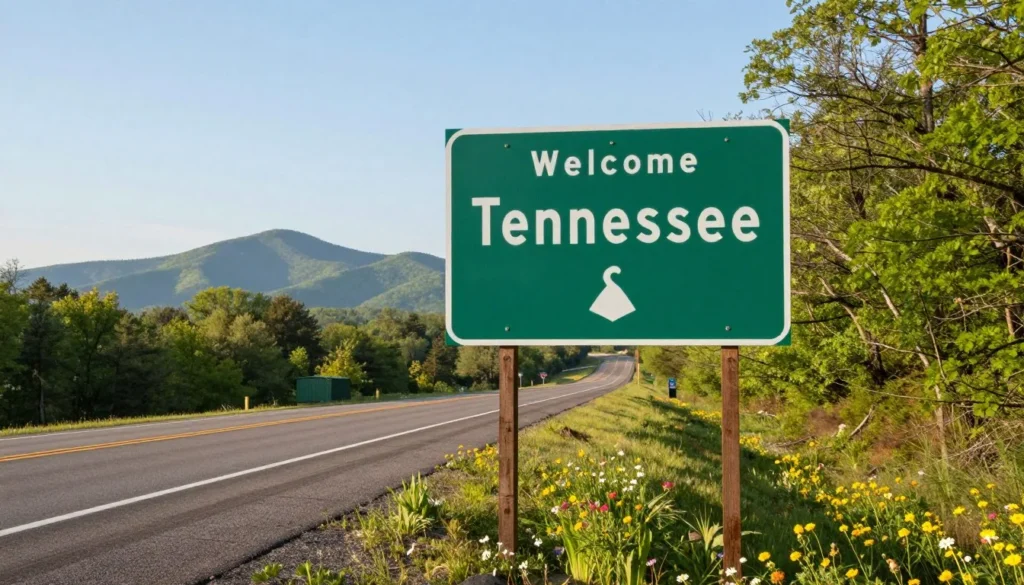
Planning your arrival sets the foundation for a smooth visit. Multiple airports serve the region, making access convenient from anywhere in the United States.
McGhee Tyson Airport in Knoxville sits just 72 km (45 miles) north of the region. This facility handles most major carriers and offers competitive rental car rates. The scenic drive south takes about one hour through rolling countryside.
Nashville International Airport provides another gateway, located 290 km (180 miles) west. Many visitors choose this option to experience Tennessee’s capital city before heading to the mountains. The drive takes approximately three hours along Interstate 40.
Asheville Regional Airport in North Carolina sits 113 km (70 miles) east. This smaller facility works well for travelers exploring both states during their trip.
The visitor center provides personalized route planning and current road condition updates. Staff members offer insights about scenic byways and less-traveled routes that showcase the region’s natural beauty.
Best Time to Visit & Weather Tips
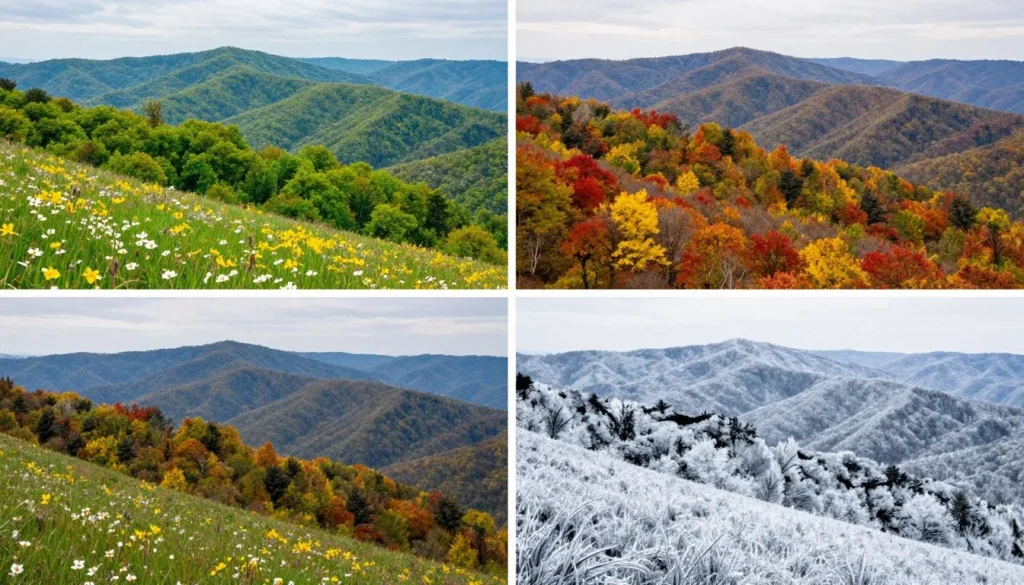
Timing your visit dramatically affects your experience. Each season offers distinct advantages, though some periods prove more challenging than others.
Recommended Visiting Months
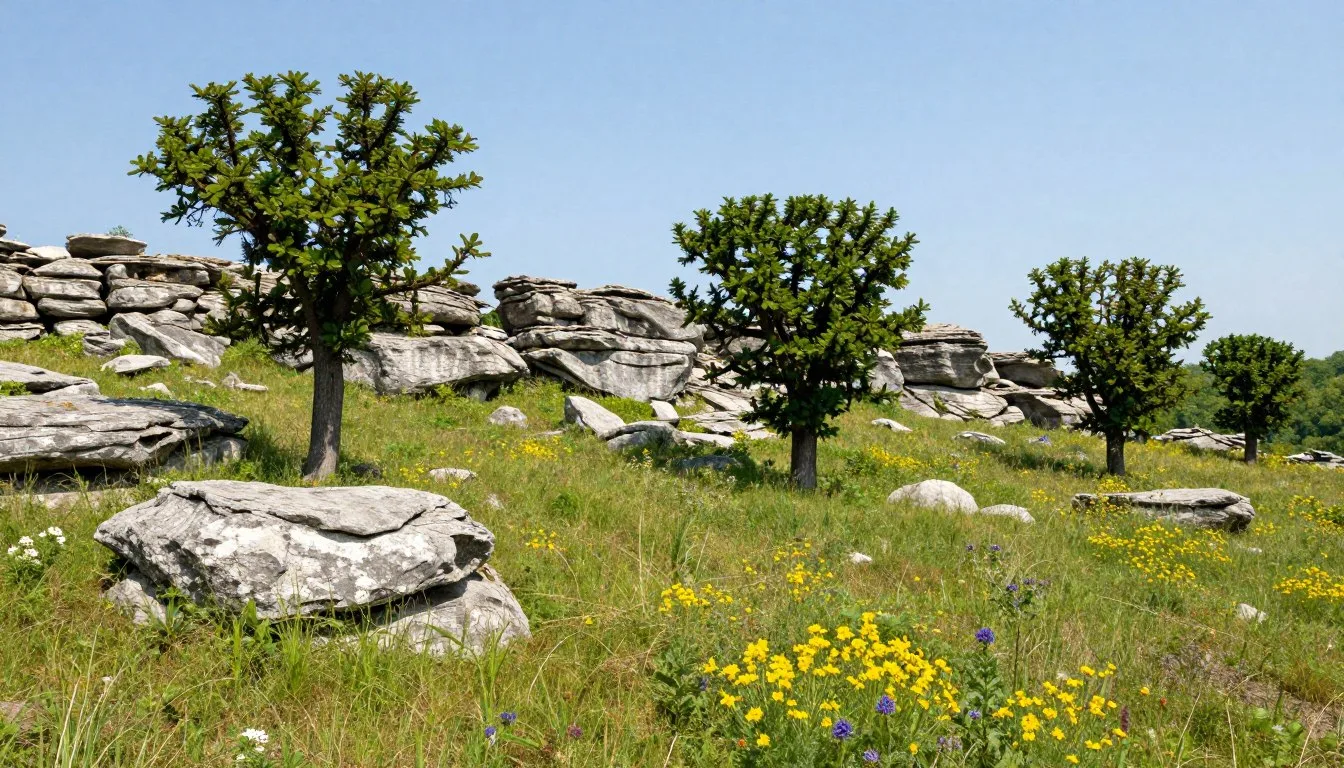
April through June delivers ideal conditions for most activities. Spring temperatures range from 15°C to 24°C (59°F to 75°F), perfect for hiking the Great Smoky Mountains National Park trails. Wildflowers carpet the forest floor, creating spectacular photo opportunities.
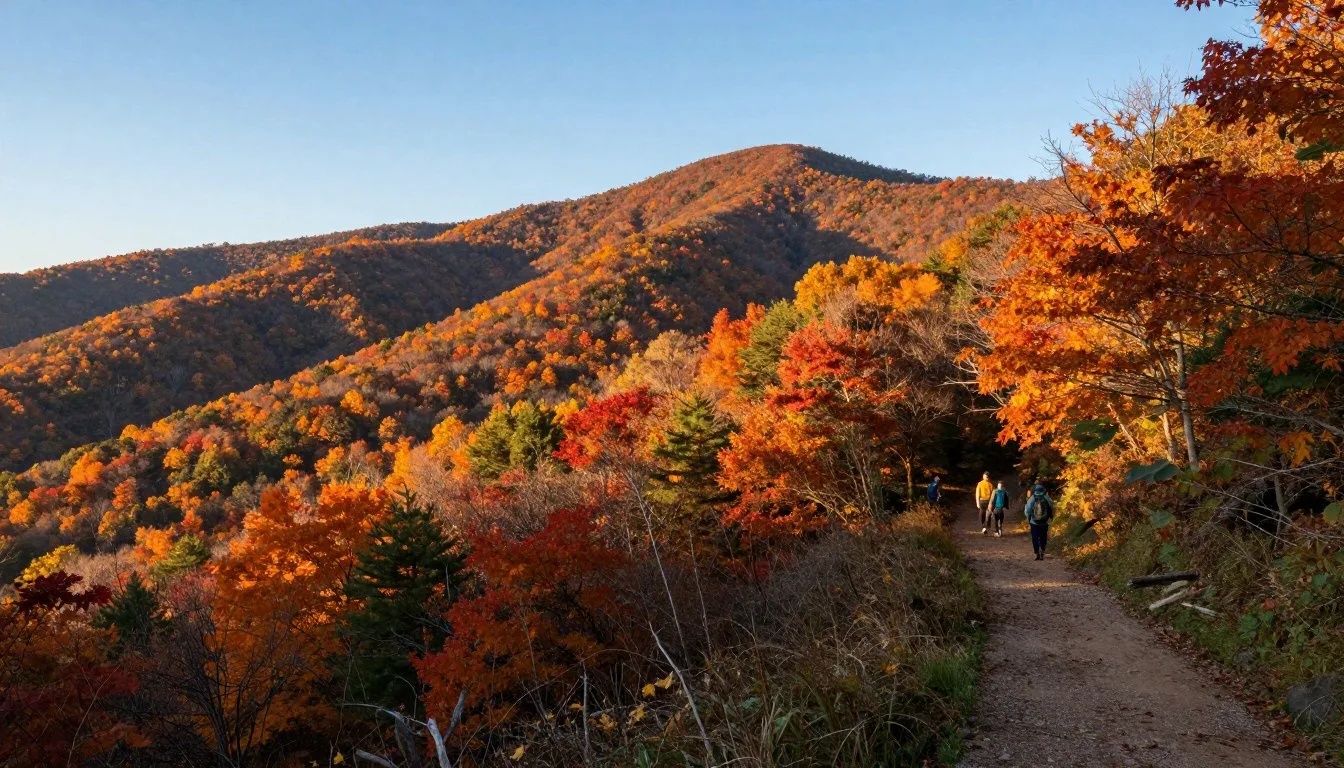
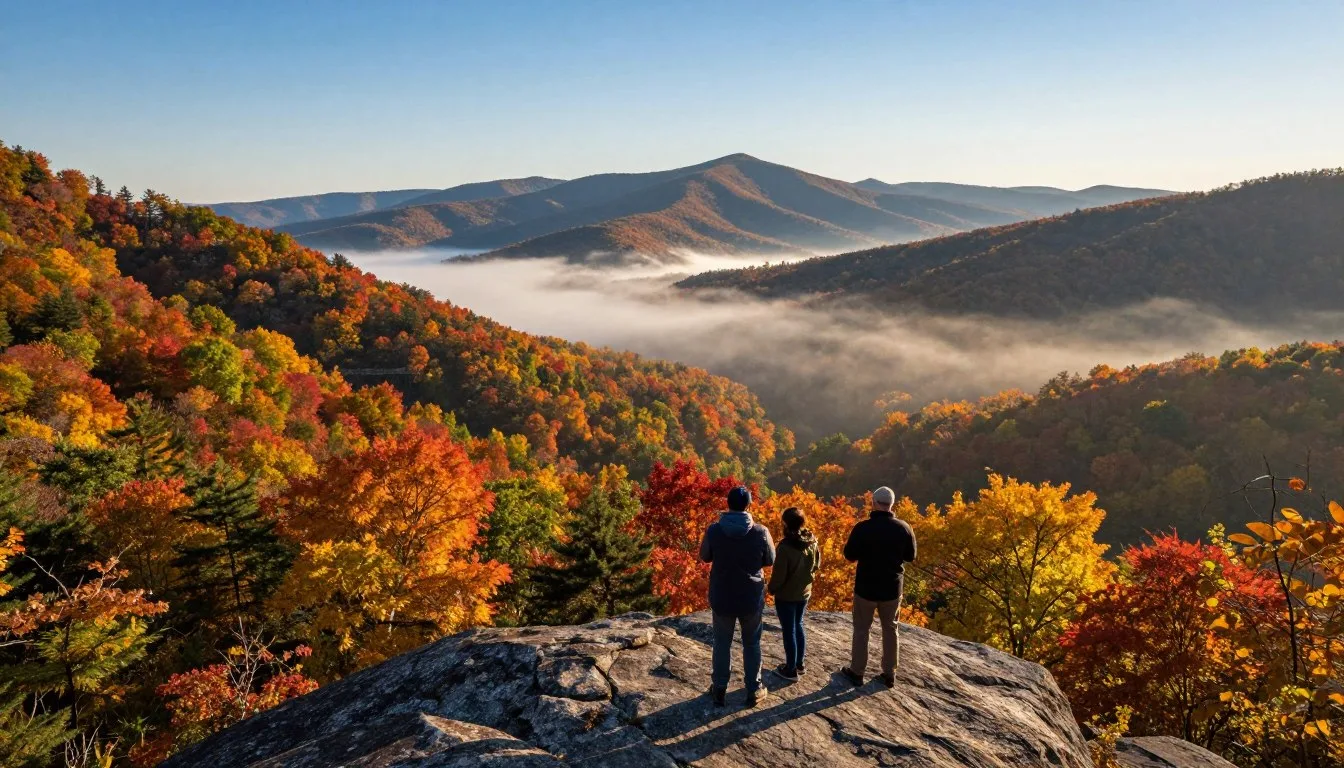
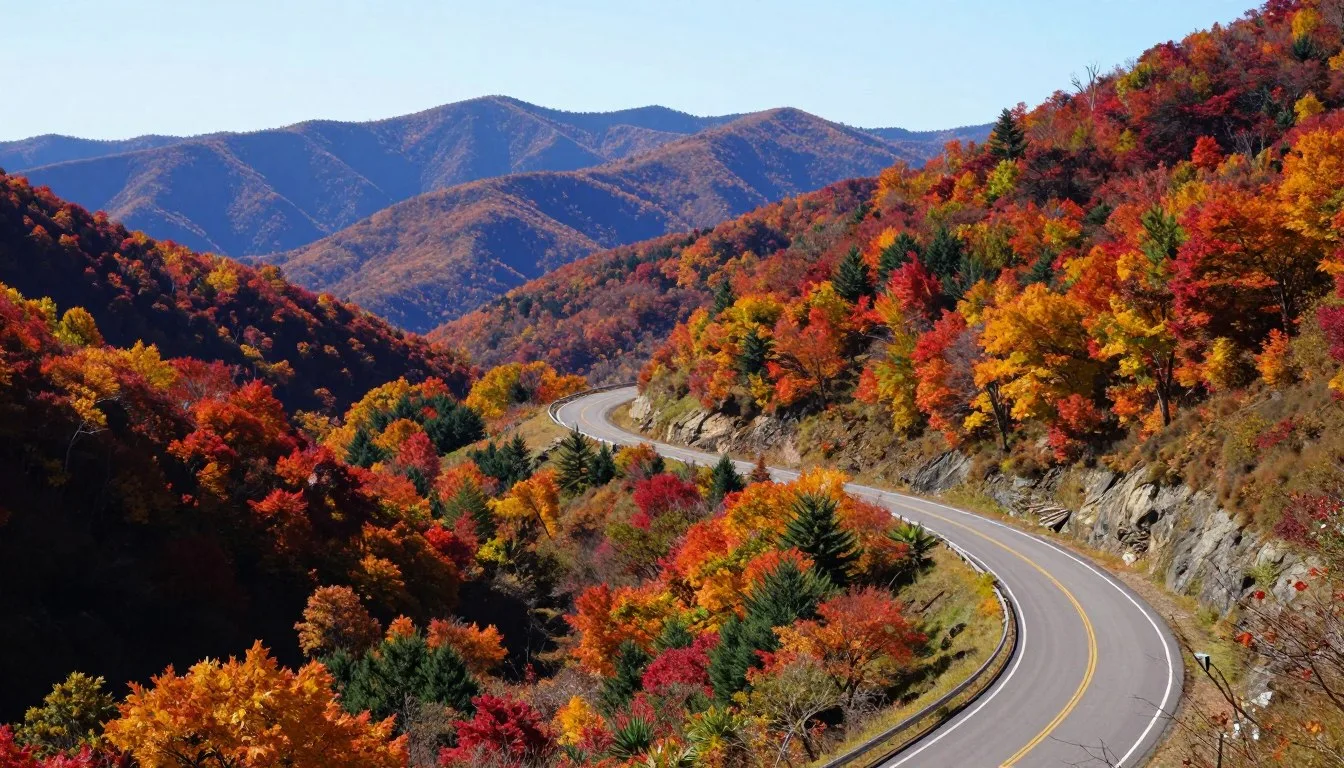
September through November ranks as the most popular season. Fall foliage transforms the landscape into a painter’s palette. Peak color typically occurs mid-October, though elevation affects timing. Temperatures hover between 13°C and 23°C (55°F and 73°F).
Check 30,000+ Local Sightseeing Tours Worldwide
✓ Numerous languages and currencies are available
Months to Avoid
July and August bring intense heat with temperatures reaching 32°C (90°F) and high humidity. Afternoon thunderstorms occur frequently. January and February present the coldest conditions, with mountain roads sometimes closing due to ice.
Notable Annual Festivals
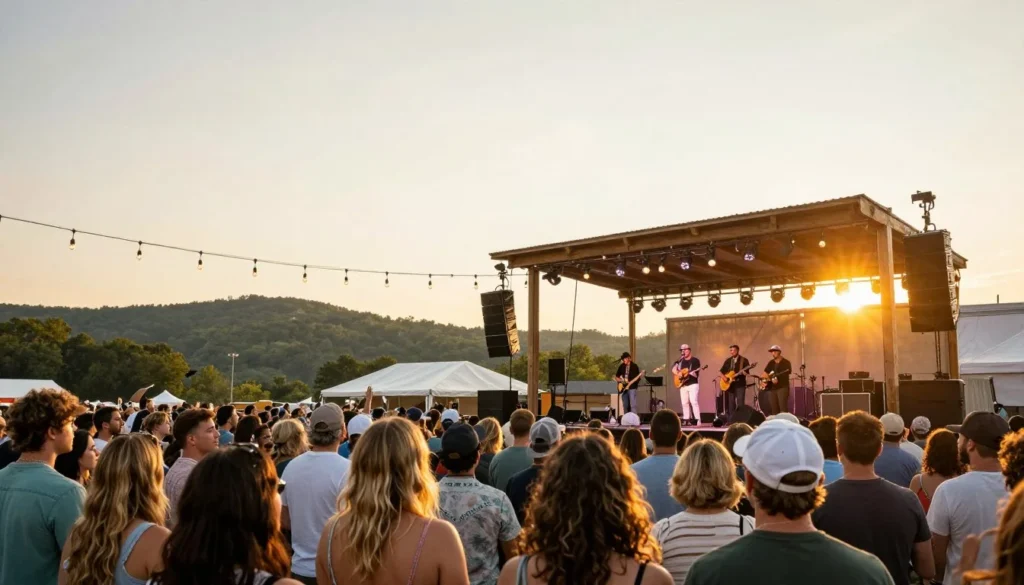
- Spring Mountain Music Festival (May) – Three days celebrating traditional Appalachian music and contemporary country. Contact: +1 (865) 555-7200
- Heritage Craft Fair (June) – Artisans demonstrate traditional mountain crafts including basket weaving and blacksmithing. Contact: +1 (865) 555-6300
- Fall Foliage Celebration (October) – Guided hikes, photography workshops, and harvest dinners. Contact: +1 (865) 555-9400
- Winter Lights Festival (December) – Historic downtown transforms with thousands of lights and carolers. Contact: +1 (865) 555-5500
These festivals showcase the region’s cultural identity. Early registration often provides discounted rates and guaranteed parking access.
Getting Around Locally
Transportation options vary depending on your planned activities. Most visitors find a personal vehicle essential for exploring the dispersed attractions across the region.
Rental cars from airport locations typically cost $45-75 per day. Book in advance during peak seasons to ensure availability and better rates. Four-wheel drive vehicles help navigate mountain roads during winter months, though they’re unnecessary in other seasons.
The regional shuttle service connects major attractions Thursday through Monday from April to October. Daily passes cost $15 per person, with children under 12 riding free. Routes include the Great Smoky Mountains National Park entrance, downtown historic district, and major state park trailheads.
Ride-sharing services operate in populated areas but become limited in remote mountain locations. Plan accordingly if you rely on these options for evening activities or restaurant visits.
Where to Stay
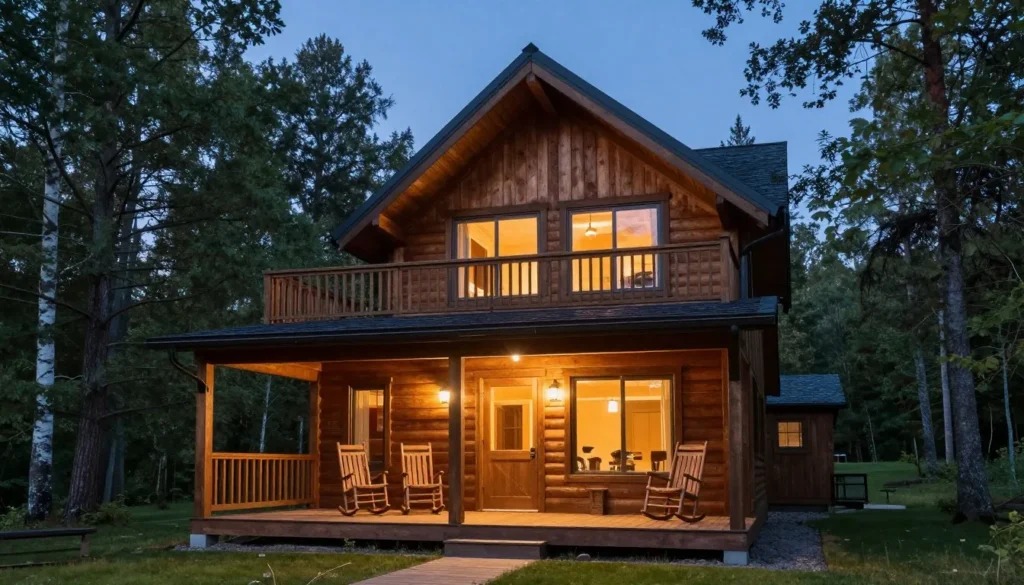
Accommodation choices range from rustic camping to luxury resorts. Your selection shapes the overall experience and access to different activities.
Mountain Lodges and Resorts
Full-service mountain lodges offer convenient access to hiking trails and stunning views. Rates start around $180 per night during regular season, rising to $280 during peak fall foliage. Many include breakfast and provide shuttle service to popular trailheads.
Cabin Rentals
Private cabin rentals deliver authentic mountain experiences. Options range from cozy one-bedroom retreats ($120/night) to large family lodges sleeping twelve ($400/night). Most feature full kitchens, hot tubs, and wraparound porches perfect for wildlife viewing.
Historic Downtown Hotels
Staying in the historic district puts you within walking distance of restaurants, live music venues, and cultural sites. Boutique hotels occupy restored buildings from the early 1900s. Expect to pay $140-220 nightly for rooms featuring period details and modern amenities.
Campgrounds and RV Parks
The Great Smoky Mountains National Park maintains several campgrounds with sites from $25 per night. Reservations open six months in advance and fill quickly for summer weekends. Private RV parks offer full hookups starting at $40 nightly.
Dining & Local Cuisine

Tennessee’s food scene blends mountain traditions with contemporary flavors. The region’s culinary identity reflects its history and agricultural heritage.
Barbecue restaurants dominate the landscape. Local pitmasters slow-smoke pork shoulder for 12-14 hours over hickory wood. Each establishment guards its sauce recipe carefully, ranging from tangy vinegar-based to sweet molasses variations. Expect to pay $12-18 for generous plates with two sides.
Country cooking establishments serve breakfast all day. Biscuits made from scratch arrive hot with gravy, jam, or honey. Full breakfast plates including eggs, country ham, and grits cost $8-12. These restaurants provide gathering spots where locals share news and visitors gain insider tips.
Farm-to-table restaurants have emerged in recent years. Chefs partner with nearby farms to source seasonal ingredients. Dinner entrees range from $22-38, featuring creative takes on traditional dishes. Reservations prove essential for weekend evenings.
The craft beverage scene includes microbreweries, distilleries, and meaderies. Tasting room fees typically run $10-15 and include samples of four to six products. Many facilities offer tours explaining production processes.
Attractions, Sightseeing & Activities

The region packs remarkable variety into a compact area. Activities appeal to different interests and energy levels.
Great Smoky Mountains National Park
This United States treasure draws millions annually yet maintains peaceful corners. The park encompasses over 209,000 hectares (520,000 acres) of protected wilderness. Unlike most national parks, entrance remains free year-round.
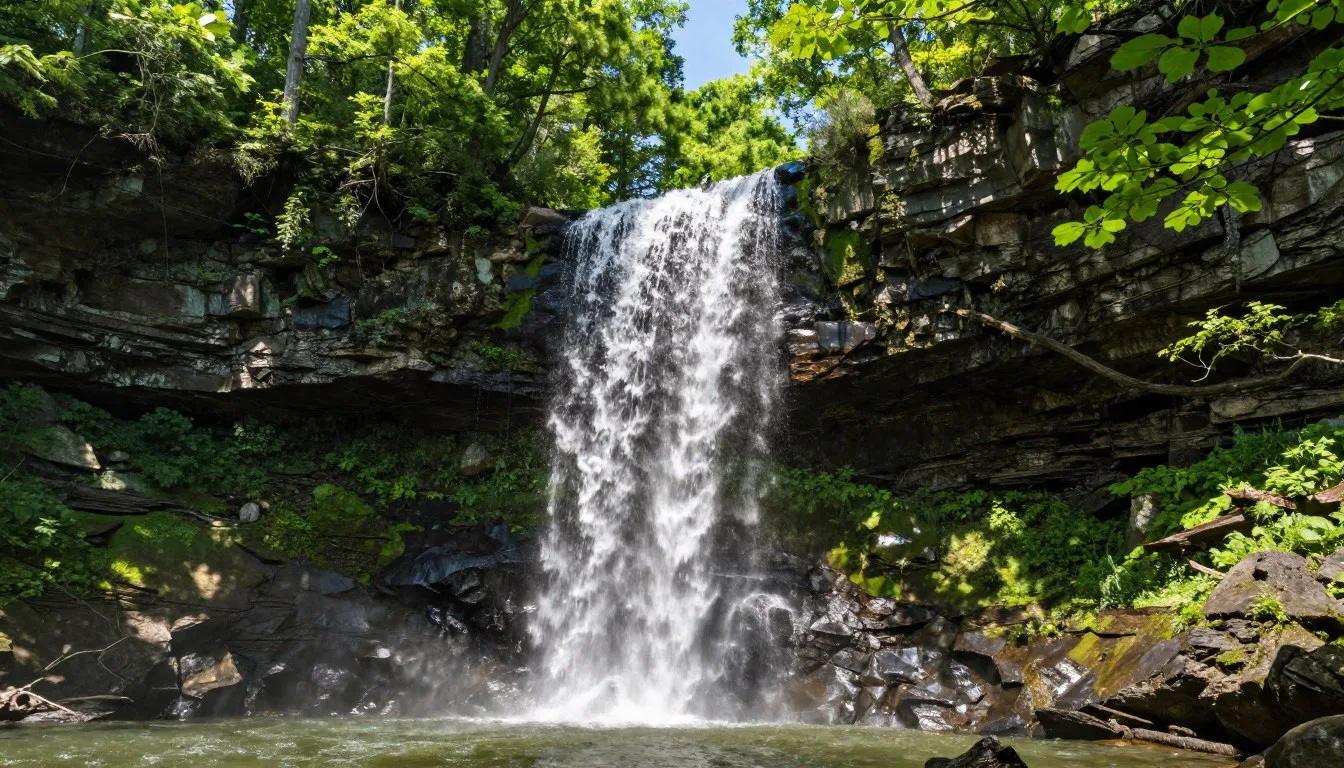
Popular trails include Laurel Falls, a moderate 4.2 km (2.6-mile) paved path leading to an impressive waterfall. The trail accommodates families with children and takes about two hours round trip. Clingmans Dome offers the highest point at 2,025 m (6,643 feet), accessible via a steep half-mile paved trail to an observation tower.
Wildlife viewing opportunities abound throughout the park. Black bears, white-tailed deer, and wild turkeys inhabit the forests. Early morning and evening hours provide the best chances for sightings. Maintain safe distances and never feed animals.
Scenic Drives
The Cades Cove Loop Road offers an 18 km (11-mile) one-way circuit through a historic valley. Preserved homesteads, churches, and mills dot the landscape. Allow three hours to complete the loop with stops. Wednesdays and Saturdays until 10:00 AM, the road closes to vehicles for cyclists and pedestrians only.
Country Music Scene Experiences

Live music venues range from intimate songwriter rounds to large concert halls. The historic Ryman-style theater downtown hosts touring acts Thursday through Saturday nights. Tickets cost $25-75 depending on the performer.
Honky-tonk bars on Music Row feature multiple performers nightly. No cover charges apply, though performers appreciate tips. These venues showcase emerging talent alongside established musicians between tours.
The Country Music Heritage Museum traces the region’s contribution to the genre’s development. Interactive exhibits let visitors try instruments and record demo tracks. Admission costs $18 for adults, $12 for children ages 6-12.
Museums, Cultural Spots & Festivals

Cultural institutions preserve and celebrate the region’s unique heritage. These sites provide context for understanding local traditions and history.
The Appalachian Heritage Center showcases mountain culture through artifacts, photographs, and oral histories. Exhibits cover topics from early settlement to contemporary life. Quilts created by local artisans demonstrate traditional patterns passed through generations. Open Tuesday through Saturday, 10:00 AM to 5:00 PM. Admission: $12 adults, $8 seniors, free for children under 12.
Historic home tours operate in the downtown district. Guides lead visitors through restored residences from the 1800s, explaining daily life during different eras. The one-hour tours depart hourly from 11:00 AM to 3:00 PM, costing $15 per person.
Art galleries featuring regional artists cluster along Main Street. First Friday events each month include gallery walks with wine and cheese, allowing visitors to meet artists and discuss their work. These free events run from 5:00 PM to 8:00 PM.
Nature & Outdoor Experiences
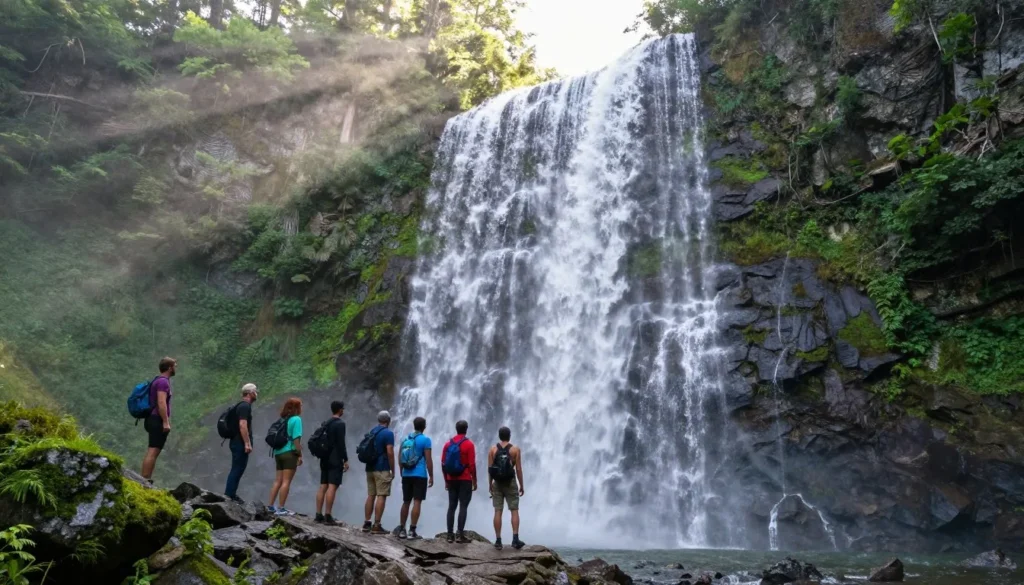
Outdoor recreation opportunities extend far beyond the national park boundaries. The region’s diverse ecosystems support varied activities across all seasons.
Hiking Trails
Trail networks accommodate all skill levels. Beginner-friendly paths wind through valleys with minimal elevation gain. The River Walk Trail stretches 8 km (5 miles) along a peaceful waterway, perfect for morning jogs or evening strolls.
Advanced hikers tackle challenging climbs to mountain summits. Mount LeConte via Alum Cave Trail covers 16 km (10 miles) round trip with 823 m (2,700 feet) elevation gain. The strenuous route rewards determined hikers with panoramic views from 2,010 m (6,593 feet).
Water Activities
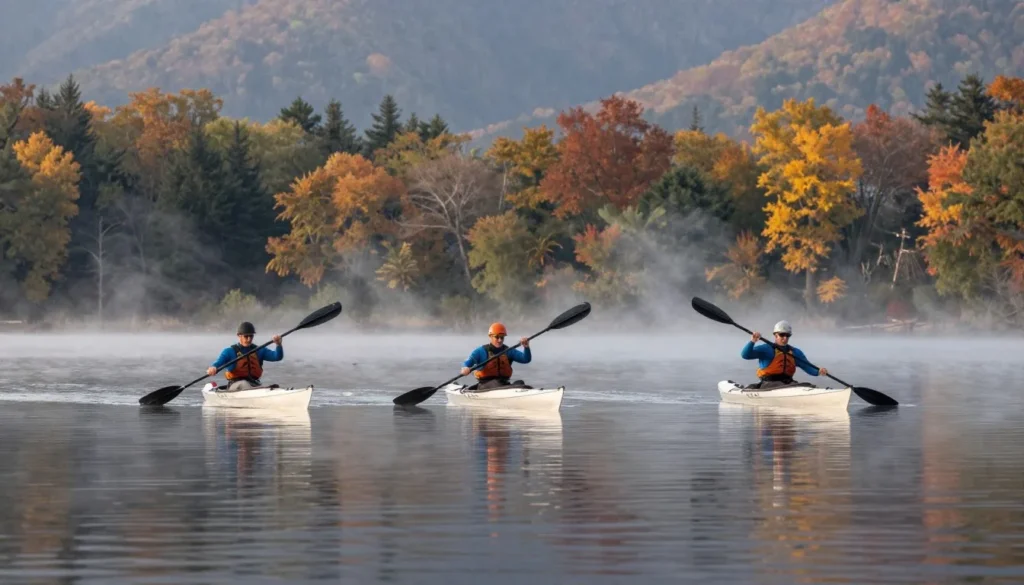
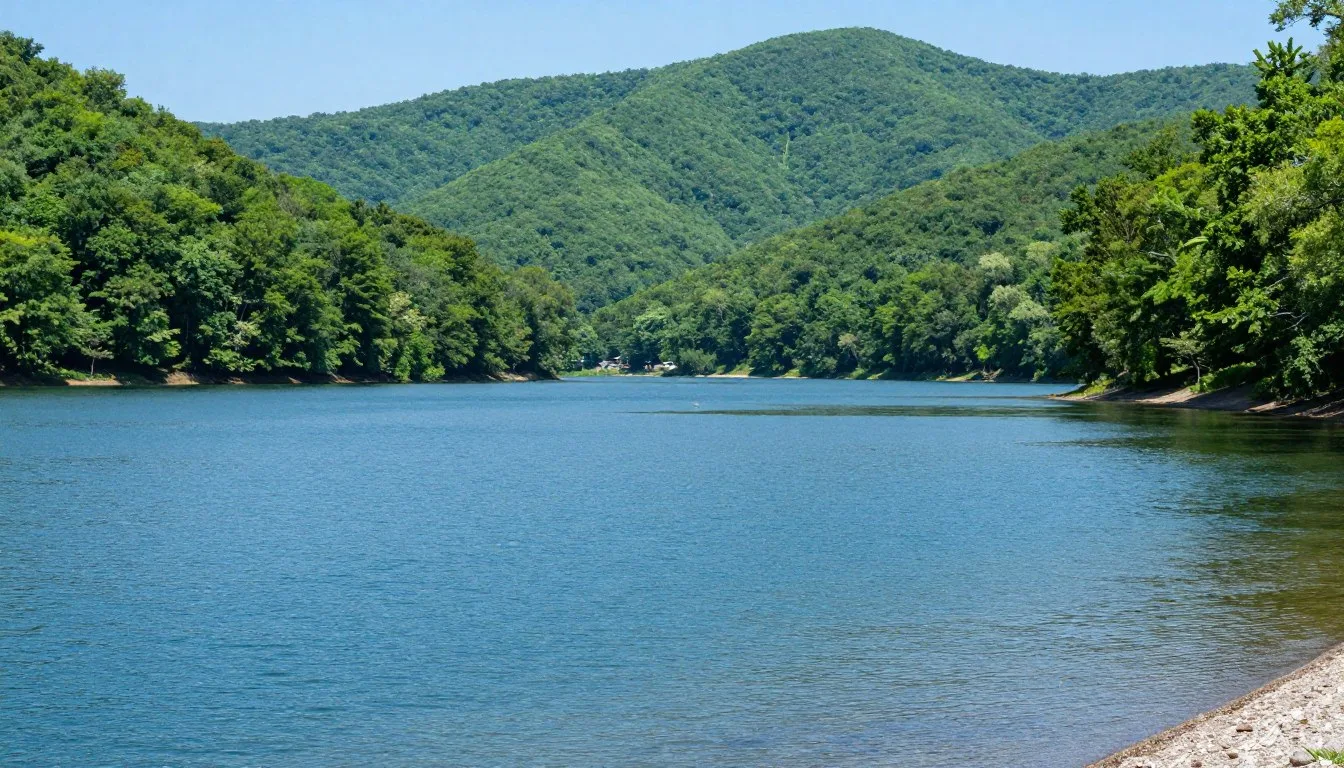
Local outfitters provide equipment and guided trips for water sports. Mountain lakes offer calm conditions for beginners learning to kayak or paddleboard. Rental rates start at $25 for two hours, $40 for half-day. The serene 405-hectare (1,000-acre) Watauga Lake provides ideal paddling conditions from May through September.
Whitewater rafting on nearby rivers attracts thrill-seekers. Class II-III rapids provide exciting rides without requiring previous experience. Guided trips include equipment, instruction, and transportation. Full-day adventures cost $85-110 per person.
Mountain Biking
Purpose-built mountain bike trails have expanded significantly in recent years. The trail system offers over 48 km (30 miles) of single-track ranging from flowing beginner trails to technical expert routes. Bike rentals including helmets cost $45 for half-day, $65 full day.
Fishing
Streams throughout the Smoky Mountains National Park contain native brook trout and stocked rainbow trout. Tennessee fishing licenses are required for anglers 13 and older. Licenses cost $34 for non-residents (annual) or $7 (daily). Fly fishing guides offer instruction and lead trips to productive spots, charging $250-350 for half-day guided experiences.
Travel With Children

Families find abundant kid-friendly activities that entertain while teaching about nature and culture. Many attractions cater specifically to younger visitors.
The Junior Ranger Program at Great Smoky Mountains National Park engages children ages 5-12. Kids complete activity booklets while exploring, then receive badges at visitor centers. The free program teaches environmental stewardship through hands-on learning.
Gem mining operations let children sift through ore for real gemstones and fossils. Staff members help identify finds and explain their geological origins. Most locations charge $15-25 for buckets of mining material, with children keeping everything discovered.
Easy nature walks include educational signage explaining flora, fauna, and ecosystems. The self-guided Sugarlands Valley Trail covers just 1.6 km (1 mile) on flat terrain suitable for strollers. Interpretive signs identify common trees, wildflowers, and animal tracks.
Several restaurants offer children’s menus with familiar options alongside regional specialties. Many establishments provide crayons and activity sheets to keep youngsters occupied while adults enjoy meals. High chairs and booster seats are readily available.
Money Saving Tips

Smart planning significantly reduces travel costs without sacrificing experience quality. Several strategies help stretch your budget further.
Accommodation Savings
Visiting during shoulder seasons (April-May, September-early October) delivers lower rates while maintaining pleasant weather. Weekday stays cost 20-30% less than weekends. Booking vacation rentals for groups splits costs effectively.
Dining Economically
Grocery stores near the region sell picnic supplies and local products. Packing lunches for day trips saves $40-60 daily for families. Many restaurants offer early-bird dinner specials between 4:00-6:00 PM with discounts up to 25%.
Free Activities
The Great Smoky Mountains National Park charges no entrance fees, saving $30-35 compared to most national parks. Free ranger-led programs run daily during summer months. Downtown festivals and music events rarely charge admission.
Combination Passes
Multi-attraction passes provide access to several museums and sites for one price. The Heritage Pass costs $45 and includes admission to five cultural attractions, saving 35% compared to individual tickets. Passes remain valid for seven consecutive days.
Safety, Etiquette & Local Customs
Understanding regional norms and safety considerations enhances your visit while showing respect for local communities and natural resources.
Wildlife Safety
Black bears inhabit mountain areas throughout the region. Never approach wildlife, maintaining distances of at least 45 m (150 feet) from bears and 23 m (75 feet) from other animals. Store food properly in bear-proof containers at campgrounds. If you encounter a bear, make noise, appear large, and back away slowly without running.
Hiking Safety
Weather changes rapidly in mountains. Carry extra layers, rain gear, and sufficient water even on short hikes. Tell someone your planned route and expected return time. Cell phone service proves unreliable in remote areas. Trail maps available at visitor centers help with navigation.
Local Customs
Southern hospitality defines interactions in the region. Greetings often include “How are you?” as a friendly acknowledgment rather than a question requiring detailed response. A simple “Fine, thank you” suffices. Tipping remains standard at 15-20% for restaurant service, $1-2 per drink at bars.
Environmental Respect
Leave No Trace principles apply throughout natural areas. Pack out all trash, stay on designated trails, and leave rocks, plants, and artifacts undisturbed. Campfires are only permitted in designated rings at established sites. Check current fire restrictions, which change seasonally based on drought conditions.
Visitor Comments About Archers Island

“We expected standard tourist attractions but discovered something far more authentic. The combination of incredible hiking during the day and live music each night exceeded our expectations. The local people genuinely welcomed us and shared their favorite hidden spots. This destination deserves far more recognition than it receives.”
Check 30,000+ Local Sightseeing Tours Worldwide
✓ Numerous languages and currencies are available
“Traveling with our three children presented challenges we worried about, but the region accommodated families perfectly. Easy trails kept younger kids engaged while older children enjoyed more adventurous activities. Every restaurant welcomed children warmly. The Junior Ranger program provided educational entertainment. We created memories that will last a lifetime.”
“As someone who has visited most major United States destinations, I can confidently say this area rivals anywhere for natural beauty and cultural richness. The lack of crowds compared to over-touristed national parks made the experience more enjoyable. The food scene surprised us with quality that matched cities ten times the size. Already planning our return visit.”
Additional Nearby Destinations
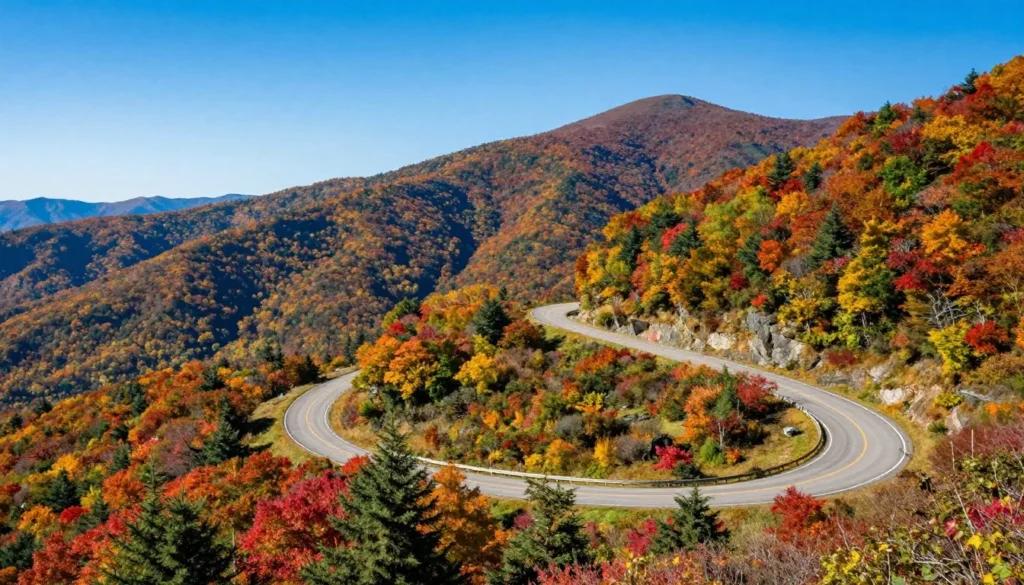
Extending your trip allows exploration of surrounding areas, each offering distinct attractions and character. These destinations pair well with your visit.
Asheville, North Carolina
Located 113 km (70 miles) east, this city combines mountain charm with vibrant arts scene. The historic Biltmore Estate, America’s largest private home, draws architecture enthusiasts. Downtown features craft breweries, farm-to-table restaurants, and galleries. The drive along the Blue Ridge Parkway between destinations ranks among the country’s most scenic routes.
Knoxville, Tennessee
The state’s third-largest city sits 72 km (45 miles) north. Market Square hosts farmers markets, festivals, and outdoor concerts. The University of Tennessee campus brings college sports energy, particularly during football season. Numerous museums cover topics from natural history to contemporary art.
Cherokee, North Carolina
This Native American community 64 km (40 miles) southeast preserves Cherokee culture and history. The Museum of the Cherokee Indian provides comprehensive education about tribal heritage. Outdoor drama “Unto These Hills” has performed summer evenings since 1950, telling the Cherokee story through professional theater.
Pigeon Forge & Gatlinburg, Tennessee
These popular tourist towns offer completely different experiences from the quieter Archers Island area. Dollywood theme park, created by country music legend Dolly Parton, features rides, shows, and traditional crafts demonstrations. Gatlinburg’s main strip presents shopping, attractions, and restaurants. Located 48 km (30 miles) from Archers Island, they make easy day trips.
Practical Travel Tips

Final preparation details ensure smooth travels and help avoid common oversights. These practical considerations address frequently asked questions.
What should I pack for a trip to Archers Island?
Layer clothing regardless of season, as mountain temperatures fluctuate significantly between morning and afternoon. Sturdy hiking shoes prove essential even for casual walkers. Bring rain gear, sunscreen, insect repellent, and reusable water bottles. Camera equipment captures spectacular scenery, though protect electronics from humidity.
How much cash should I carry?
Most establishments accept credit cards, but some small businesses, farm stands, and craft vendors operate cash-only. ATMs are readily available in towns but scarce in rural areas. Carrying $100-200 in small bills covers tips, roadside purchases, and emergencies. Parking meters in downtown areas require quarters.
Is cell phone coverage reliable?
Coverage varies dramatically by location. Towns and main highways generally have good signals, but mountain areas and national park backcountry often lack service completely. Download offline maps before entering remote regions. Many lodges and restaurants offer free Wi-Fi for guests.
Are attractions accessible for visitors with mobility limitations?
Accessibility varies significantly. Some trails and attractions accommodate wheelchairs, while others require hiking over uneven terrain. The Sugarlands Visitor Center and several shorter trails meet accessibility standards. Contact specific attractions in advance to confirm accommodations. Downtown areas feature sidewalks and ramps.
Important: The region experiences occasional severe weather including thunderstorms and rare winter ice storms. Check weather forecasts daily during your visit. Local television and radio stations provide detailed updates. Visitor centers monitor conditions and advise about trail closures or hazards.
Your Smoky Mountain Adventure Awaits
Archers Island stands apart from typical tourist destinations through its authentic blend of natural wonders and cultural heritage. The Great Smoky Mountains provide endless exploration opportunities, while the vibrant country music scene connects visitors to Tennessee’s soul. Few places offer such diversity within a compact, accessible region.
Whether you seek challenging mountain trails, peaceful lakeside relaxation, or immersion in American music history, this destination delivers. The warmth of local communities, quality of regional cuisine, and abundance of activities create experiences that resonate long after departure. Start planning your journey to discover why those who visit once almost always return.