Hotels by Trip.com
Flights by Trip.com
Stretching across 1,133 hectares (2,800 acres) of pristine Appalachian wilderness, Bays Mountain Park welcomes over 300,000 nature enthusiasts annually to experience one of Tennessee’s most beloved outdoor destinations. This remarkable nature preserve combines educational exhibits with wilderness trails, making every visit an adventure.
The mountain park derives its name from the Bay family, early European settlers who established homesteads in this region during the late 1700s. Their legacy lives on through the preserved farmstead museum that offers glimpses into Tennessee’s pioneer heritage.
Whether you seek challenging hiking trails, fascinating animal habitats, or educational planetarium shows, Bays Mountain State Natural Area delivers experiences that connect visitors with nature’s wonders. Every path leads to discovery in this treasured Tennessee landmark.
Getting There & Planning Your Journey

Bays Mountain Park sits just minutes from downtown Johnson City, Tennessee, making access convenient for visitors throughout East Tennessee and neighboring states. The park entrance is located at 853 Bays Mountain Park Road, providing easy navigation for first-time guests.
Travelers flying into the region have two excellent airport options. Tri-Cities Airport (TRI) in Blountville offers the closest access, positioned just 32 kilometers (20 miles) from the mountain park. This regional hub connects visitors from major cities nationwide.
McGhee Tyson Airport (TYS) near Knoxville provides another alternative, located approximately 177 kilometers (110 miles) west of Bays Mountain. This larger facility offers additional flight options for those planning extended Tennessee adventures.
From either airport, rental vehicles provide the most flexibility for exploring Bays Mountain and surrounding attractions. Interstate 26 and Highway 11E offer direct routes that showcase beautiful Tennessee scenery during your approach to the area.
The nature center serves as the perfect starting point for every visit. Staff members provide trail maps, activity schedules, and insider recommendations that enhance your mountain park experience throughout the day.
Call the visitor information line above for current trail conditions, special event details, and guided tour availability before planning your trip to this Tennessee treasure.
Best Time to Visit & Weather Tips

Understanding seasonal patterns helps visitors maximize their mountain park experience throughout the year. Each season brings distinct advantages and unique natural displays that transform the area landscape.
Recommended Visiting Seasons
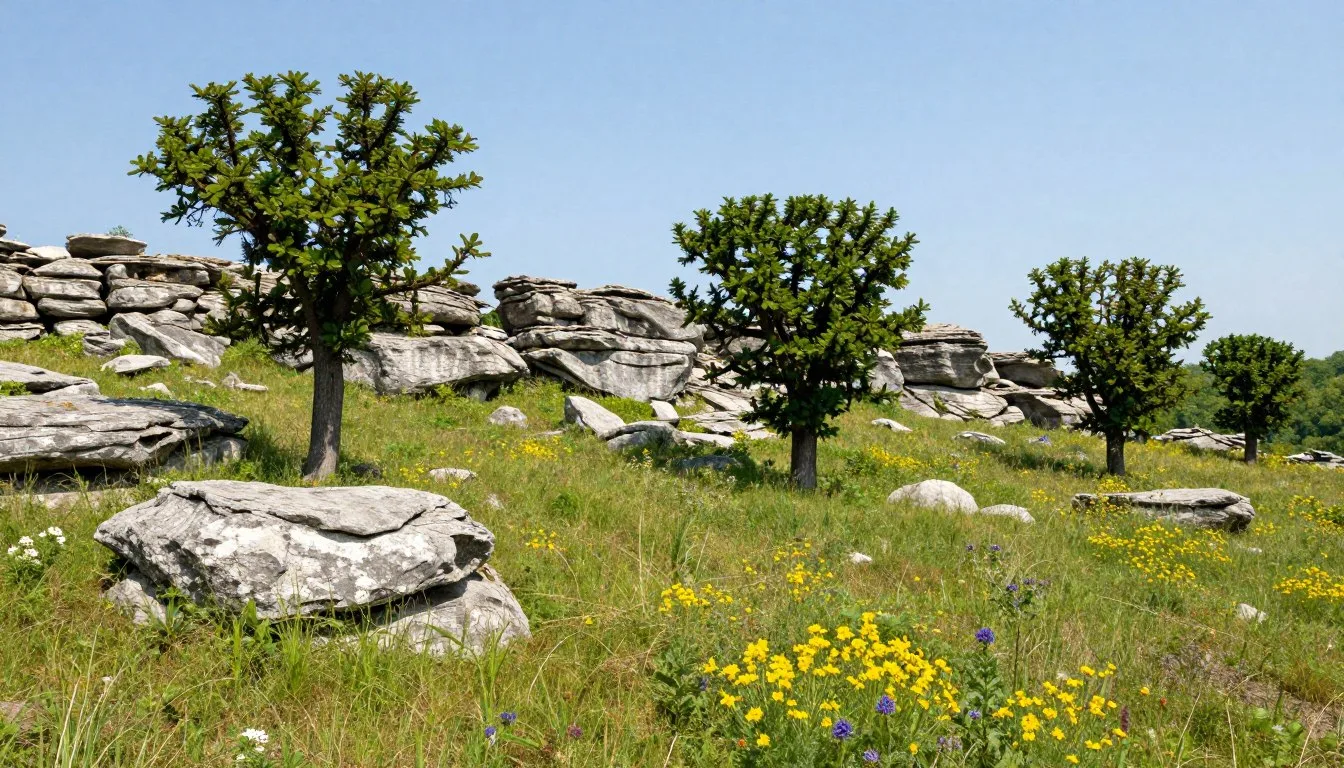
Spring months from April through May offer ideal conditions for exploring Bays Mountain. Temperatures range comfortably between 15°C to 21°C (60°F to 70°F), creating perfect hiking weather. Wildflowers blanket the trails during this period, painting the nature preserve with vibrant colors.
Check 30,000+ Local Sightseeing Tours Worldwide
✓ Numerous languages and currencies are available
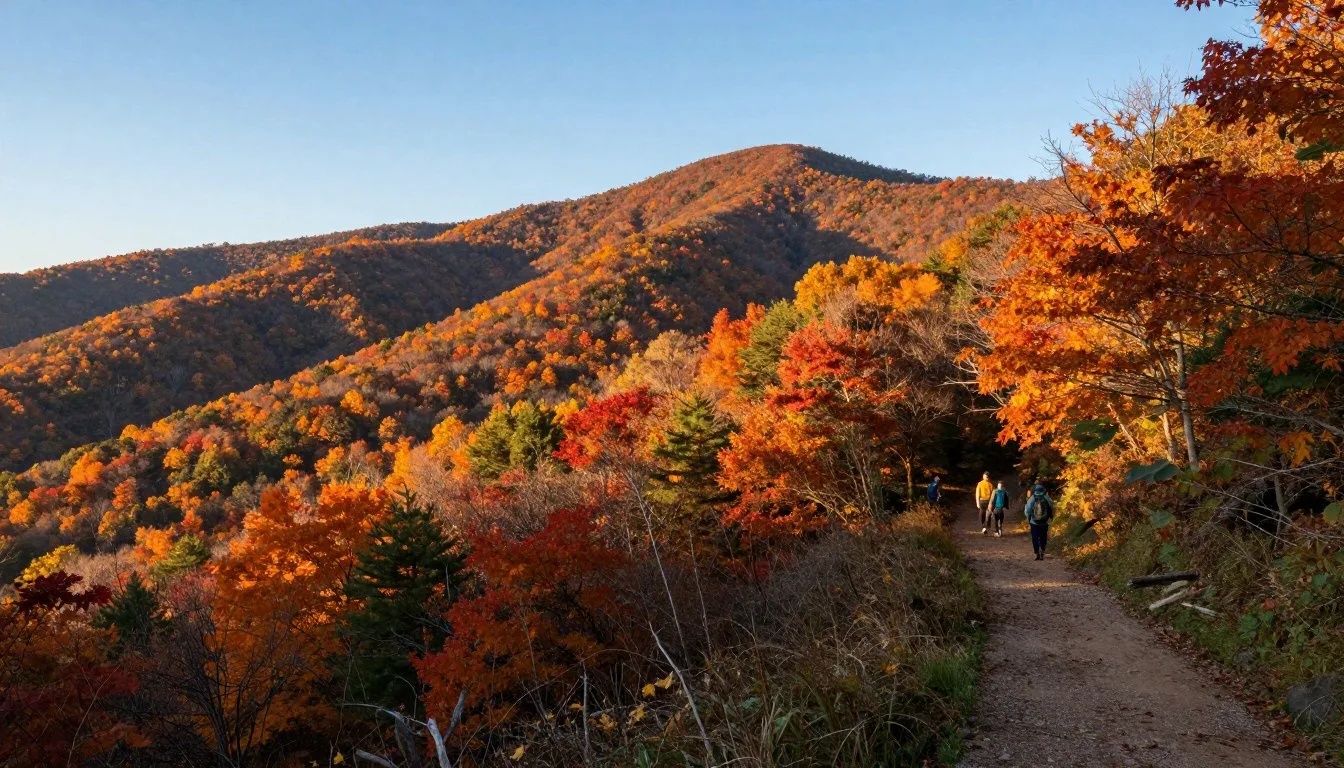
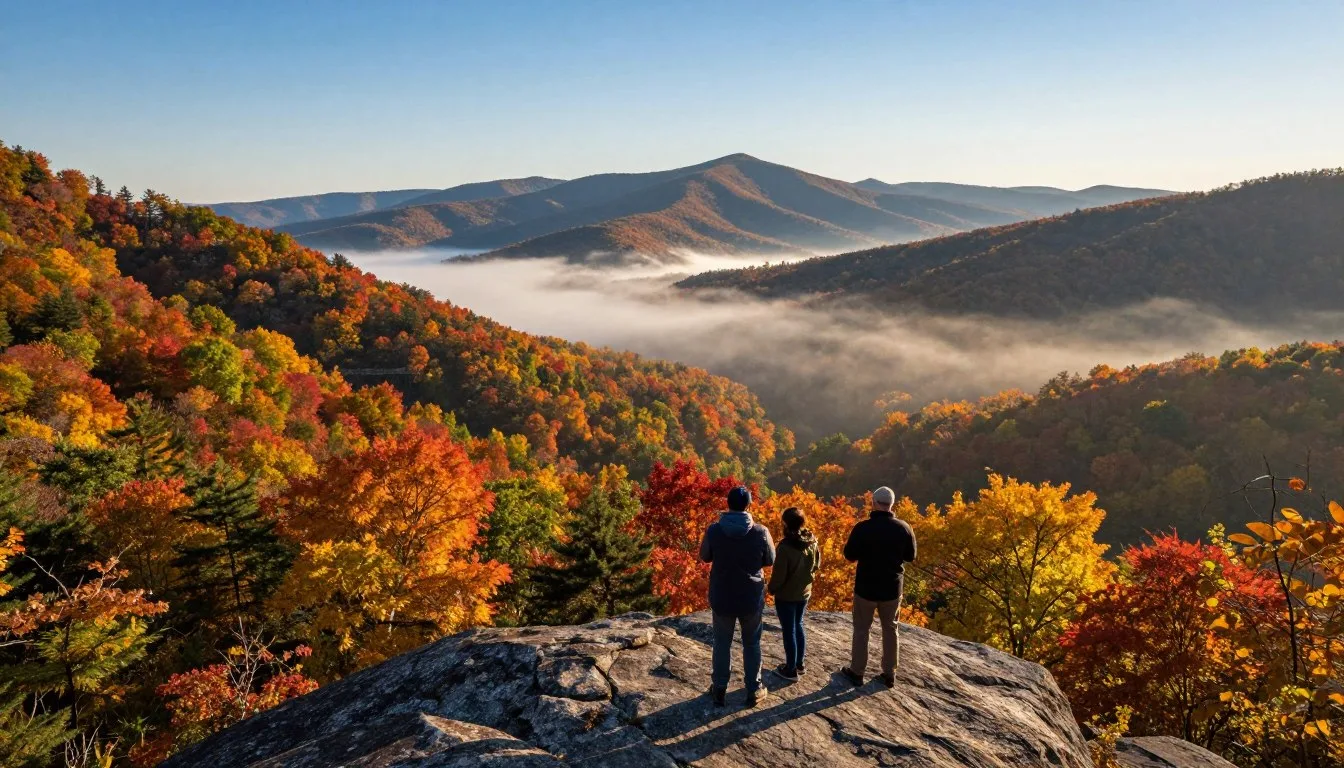
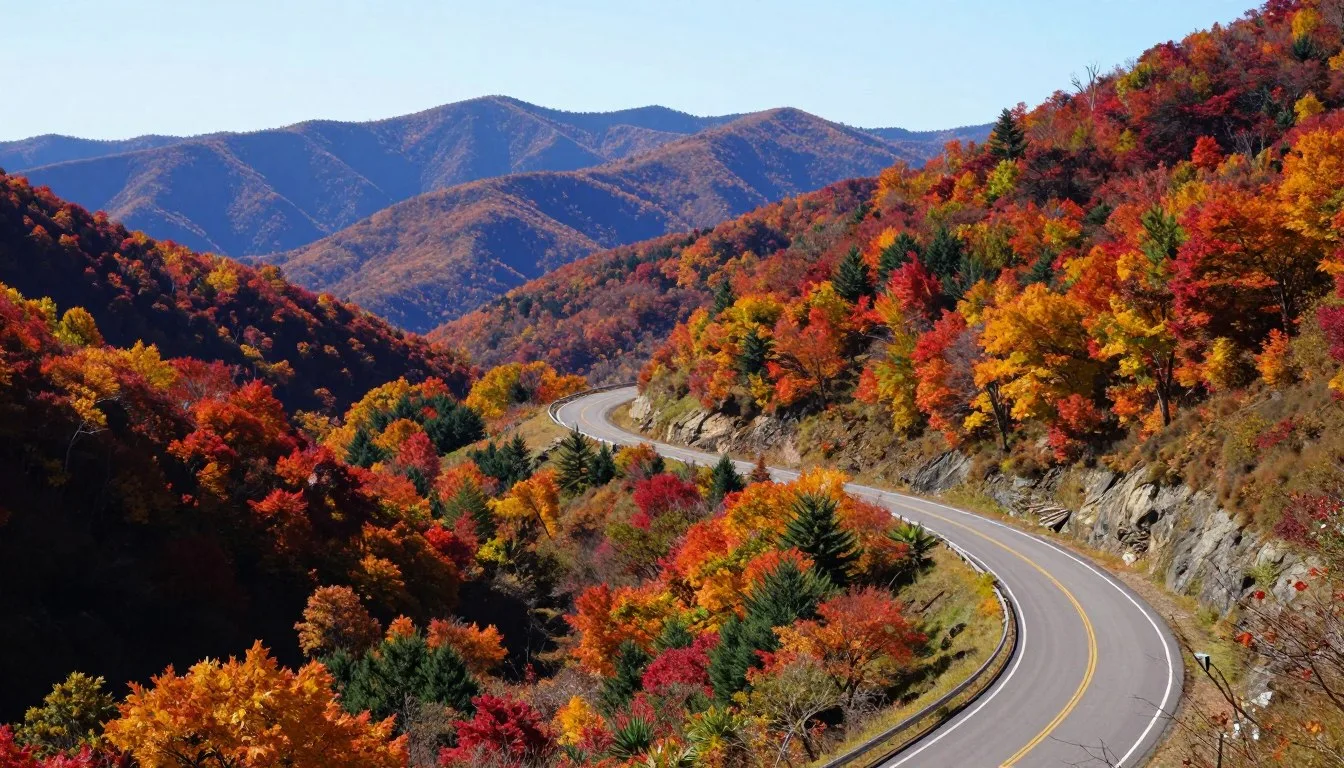
Fall season from September through November provides equally spectacular visiting conditions. The mountain park transforms into a canvas of brilliant reds, oranges, and golden yellows as deciduous trees prepare for winter. Temperatures mirror spring conditions, making outdoor activities comfortable for all ages.
Summer visits from June through August bring warmer weather, with temperatures climbing to 26°C to 32°C (80°F to 90°F). Morning hours offer the most pleasant hiking conditions before afternoon heat intensifies. The planetarium provides welcome air-conditioned respite during the warmest parts of summer days.
Insider Tip: Visit the nature center during weekday mornings for smaller crowds and better wildlife viewing opportunities. Animal habitats show increased activity during cooler morning hours throughout all seasons.
Seasons to Approach with Caution
Winter months from December through February present challenging conditions for casual visitors. Temperatures frequently drop below freezing, with occasional snow and ice making trails potentially hazardous. The park remains open, but some facilities operate on reduced winter hours.
Late summer through early fall brings occasional afternoon thunderstorms. Monitor weather forecasts and plan morning activities when possible. The nature center provides shelter and indoor exhibits during unexpected weather changes.
Weather Preparation Essentials
- Layer clothing for temperature fluctuations between shaded trails and open areas
- Carry rain gear during spring and summer months for sudden showers
- Apply sunscreen year-round, as mountain elevation intensifies UV exposure
- Bring adequate water supplies, especially during warm weather hiking
- Wear appropriate footwear for potentially muddy trail conditions after rainfall
Notable Annual Festivals

The mountain park hosts several signature events throughout the year that showcase nature education and outdoor recreation. These festivals provide unique opportunities to experience Bays Mountain beyond regular daily visits.
Spring Wildflower Festival
Held annually during late April, this celebration highlights the incredible biodiversity of Appalachian wildflowers. Guided botanical walks led by expert naturalists help visitors identify dozens of native species. The event includes photography workshops and children’s activities focused on plant identification.
Fall Astronomy Night Series
Throughout September and October, the planetarium extends evening hours for special stargazing programs. These events combine indoor presentations with outdoor telescope viewing when weather permits. Expert astronomers guide participants through constellation identification and celestial navigation.
Wildlife Discovery Days
Multiple times throughout spring and summer months, the nature center hosts extended programming focused on the park’s animal habitats. Visitors enjoy behind-the-scenes encounters with resident wolves, raptors, and reptiles. Educational presentations explain conservation efforts and species protection initiatives.
Contact the park office using the number above for current festival schedules and registration requirements. Some special events require advance booking due to limited capacity.
The park website maintains an updated calendar with detailed event information. Most festivals are included with regular admission, though some specialized programs may require additional fees.
Getting Around Locally
Navigating the mountain park requires minimal planning, as the nature center serves as the hub for all activities. From this central location, visitors access hiking trails, animal habitats, the planetarium, and the farmstead museum within easy walking distance.
Personal vehicles provide the only transportation to reach Bays Mountain Park, as public transit does not service this area. Ample parking accommodates visitors throughout the year, with overflow areas available during peak seasons and special events.
Once inside the park, all attractions connect through well-maintained pathways suitable for most fitness levels. The nature center to animal habitats walk takes approximately 10 minutes at a leisurely pace. Trail access points are clearly marked with distance indicators.
For those with mobility concerns, the nature center, planetarium, and animal habitat viewing areas offer accessible pathways. Contact the visitor center in advance to discuss specific accessibility needs and available accommodations.
Trail Navigation Tip: Pick up a free trail map at the nature center before beginning your hike. Cell phone service can be unreliable in remote areas of the park, making physical maps essential for navigation.
Where to Stay

Johnson City offers diverse lodging options within 15 minutes of Bays Mountain Park, accommodating every budget and preference. The proximity allows visitors to maximize park time while enjoying comfortable evening accommodations.
Hotels and Motels
Downtown Johnson City features numerous chain hotels offering reliable amenities and competitive rates. These properties provide convenient access to both Bays Mountain and the city’s dining and entertainment options. Expect nightly rates ranging from $80 to $150 depending on season and property class.
Budget-conscious travelers find excellent value at properties along the main highway corridors. These establishments provide clean, comfortable rooms with essential amenities at rates typically between $60 and $90 per night.
Bed and Breakfast Establishments
The Johnson City area supports several charming bed and breakfast inns that offer personalized hospitality. These properties typically occupy historic homes with distinctive character. Rates generally range from $100 to $180 per night, including homemade breakfast.
Vacation Rentals
Families and groups often prefer renting entire homes or cabins in the surrounding area. These properties provide full kitchens, multiple bedrooms, and living spaces that hotels cannot match. Weekly rentals offer the best value for extended stays.
Camping Options
Warriors Path State Park, located approximately 16 kilometers (10 miles) from Bays Mountain, offers developed camping facilities. The state park provides both RV sites with hookups and primitive tent camping areas. Reservations are strongly recommended during peak summer months.
Hotels & Motels
- Full service amenities
- Convenient locations
- Consistent quality standards
- Rates: $60-$150 nightly
Vacation Rentals
- Full kitchen facilities
- Multiple bedrooms
- Privacy and space
- Best for groups and families
Dining & Local Cuisine

Johnson City’s culinary scene reflects authentic Southern traditions while embracing contemporary flavors. The area restaurants showcase Tennessee’s agricultural bounty through locally sourced ingredients and time-honored cooking methods.
Traditional Southern Fare
Barbecue establishments dominate the local dining landscape, serving slow-smoked meats with classic Tennessee-style sauces. These restaurants typically feature pork ribs, pulled pork, and beef brisket accompanied by traditional sides like coleslaw, baked beans, and cornbread.
Country-style cooking restaurants offer hearty breakfast and lunch options featuring biscuits with gravy, fried chicken, and vegetable plates. These establishments embody the region’s agricultural heritage through generous portions and home-style preparation.
Casual Dining Options
Downtown Johnson City supports numerous casual restaurants serving everything from burgers to international cuisine. These establishments cater to families seeking variety and reasonable prices. Most offer kid-friendly menus and relaxed atmospheres.
Quick Options Near the Park
Several fast-casual restaurants operate along the route between downtown Johnson City and Bays Mountain. These locations provide convenient meal solutions for visitors wanting to maximize park time. Options include regional chains and local favorites.
Local Specialty: Don’t leave the area without trying authentic Tennessee barbecue. The regional style emphasizes dry rubs and tangy vinegar-based sauces that distinguish it from other American barbecue traditions.
Dining Recommendations by Meal
Breakfast enthusiasts should seek out traditional diners serving country ham, eggs, and made-from-scratch biscuits. These establishments open early, perfect for fueling morning mountain park adventures.
Lunch options abound near the park, with several sandwich shops and cafes offering takeout perfect for picnic-style dining. The mountain park provides numerous scenic spots for outdoor meals.
Evening dining in downtown Johnson City ranges from upscale steakhouses to ethnic restaurants representing diverse cuisines. Reservations are recommended for popular establishments, especially during weekend evenings.
Attractions, Sightseeing & Activities

Bays Mountain Park delivers an exceptional variety of attractions that educate while entertaining visitors of all ages. The nature preserve combines scientific exhibits with hands-on experiences that foster appreciation for Appalachian ecosystems.
The Nature Center
This impressive facility anchors the entire park experience, housing interactive exhibits that explain regional geology, ecology, and wildlife. Visitors encounter live animal displays featuring reptiles, amphibians, and fish native to Tennessee. The center operates year-round with seasonal hours that vary.
Educational programs run throughout the day, with naturalists presenting live animal encounters and environmental topics. These free programs enhance understanding of the mountain park’s conservation mission and scientific research initiatives.
Bays Mountain Planetarium

The on-site planetarium ranks among East Tennessee’s premier astronomical education facilities. The 40-seat theater presents multiple shows daily, exploring everything from basic constellation identification to advanced cosmology topics. Show schedules vary seasonally, with extended evening programs during summer months.
Planetarium admission requires a small additional fee beyond regular park entry. Children under five attend free, making this an excellent family value. The facility maintains comfortable climate control, offering pleasant respite during extreme weather.
Animal Habitats and Wildlife Viewing

The park maintains several naturalistic habitats showcasing animals native to the Appalachian region. Red wolves, one of America’s most endangered canines, represent the star attraction. The mountain park participates in critical breeding programs helping preserve this rare species.
Raptor habitats house injured birds of prey unable to survive in the wild. These magnificent creatures include hawks, owls, and eagles that educate visitors about avian ecology. Daily feeding demonstrations allow close observation of natural behaviors.
White-tailed deer inhabit a large enclosure visible from several trail sections. These graceful animals demonstrate adaptations that allow them to thrive throughout Tennessee’s diverse ecosystems.
Call the information line for current animal feeding schedules and special keeper talks that provide behind-the-scenes insights into animal care and conservation efforts.
Tower Viewing Experience
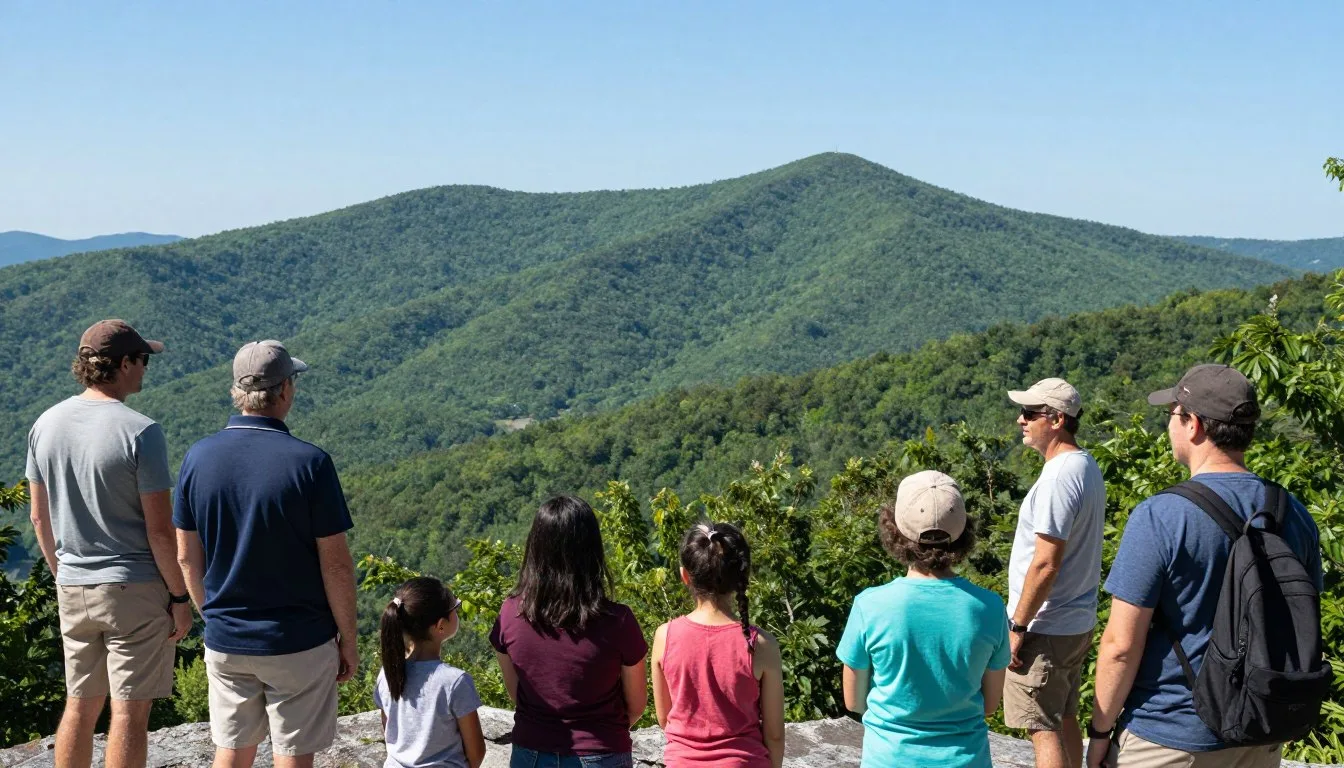
The historic fire tower provides panoramic vistas extending across the entire Tennessee Valley. This landmark structure requires climbing multiple flights of stairs but rewards efforts with breathtaking 360-degree views. On clear days, visibility extends to distant mountain ranges.
Photography enthusiasts find the tower particularly appealing during golden hour lighting conditions. Sunrise and sunset visits offer spectacular opportunities for landscape photography showcasing the region’s natural beauty.
Museums, Cultural Spots & Festivals
The mountain park preserves important cultural heritage alongside its natural attractions. These historical elements provide context for understanding how humans have interacted with this landscape across generations.
The Farmstead Museum
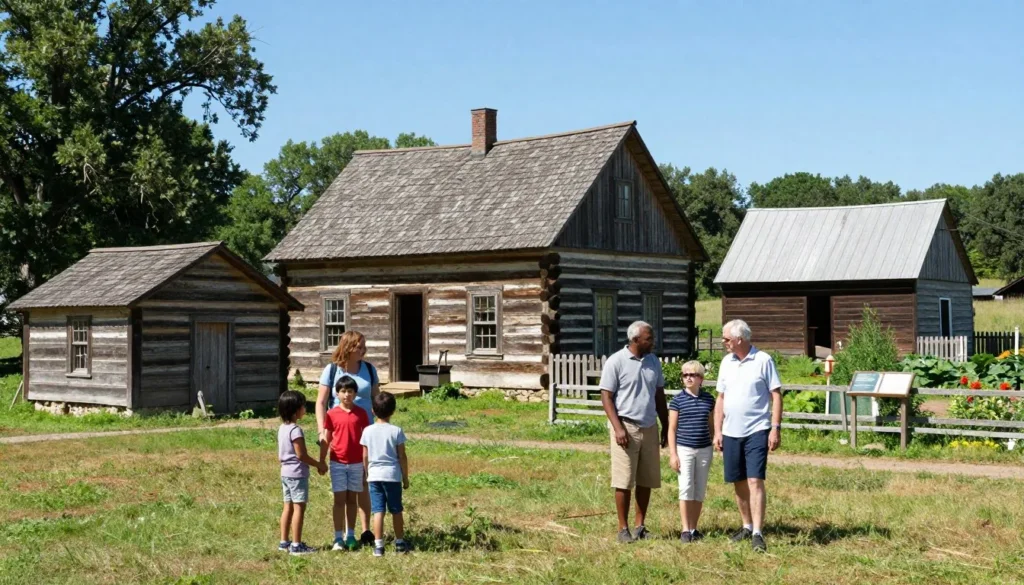
This authentic 19th-century homestead demonstrates pioneer life in the Tennessee mountains. Original log structures include the main cabin, barn, and outbuildings that housed early settlers. Costumed interpreters occasionally demonstrate traditional crafts and agricultural practices during special events.
The farmstead museum opens seasonally from April through October, with limited winter access. Self-guided tours allow visitors to explore at their own pace while interpretive signs explain daily life challenges faced by mountain families.
Heritage gardens surrounding the farmstead showcase plants historically grown for food, medicine, and household purposes. These living exhibits demonstrate the resourcefulness required for frontier survival in isolated mountain regions.
Cultural Programs and Workshops
The nature center hosts rotating workshops teaching traditional Appalachian skills. Past programs have covered topics including wild plant identification, nature photography, and wilderness survival techniques. Workshop schedules and fees vary throughout the year.
Evening lecture series during winter months bring expert speakers discussing regional natural history, conservation challenges, and environmental research. These free programs serve the local community while welcoming visitors interested in deeper learning.
Nature & Outdoor Experiences

Outdoor recreation opportunities abound throughout Bays Mountain’s extensive trail network and natural areas. These experiences allow visitors to immerse themselves in Appalachian wilderness while accommodating various skill levels and interests.
Hiking Trails Network
Over 40 kilometers (25 miles) of hiking trails wind through diverse ecosystems ranging from lakeside paths to challenging mountain ridges. Trail difficulty ranges from easy nature walks suitable for young children to strenuous climbs requiring good physical conditioning.
The Lakeside Trail offers the most accessible option, featuring a relatively flat 1.6-kilometer (1-mile) loop with interpretive signs explaining local ecology. This path accommodates strollers and wheelchairs along most sections, making nature accessible to everyone.
Intermediate hikers appreciate the Ridge Trail, a 5-kilometer (3.1-mile) route providing moderate elevation changes and excellent wildlife viewing opportunities. This trail connects several overlooks offering magnificent valley views throughout the journey.

Advanced hikers tackle the challenging Fire Tower Trail, climbing steeply for 3.2 kilometers (2 miles) to reach the summit observation point. This demanding route requires good fitness but delivers unmatched panoramic rewards.
Mountain Biking Opportunities
Designated biking trails provide thrilling single-track experiences through varied terrain. The mountain park welcomes cyclists on specific trails while restricting bikes from hiking-only paths to preserve trail conditions and ensure hiker safety.
Technical trail sections challenge experienced mountain bikers with root obstacles, rock gardens, and steep descents. Beginners should start with easier routes before attempting advanced terrain.
Water Recreation
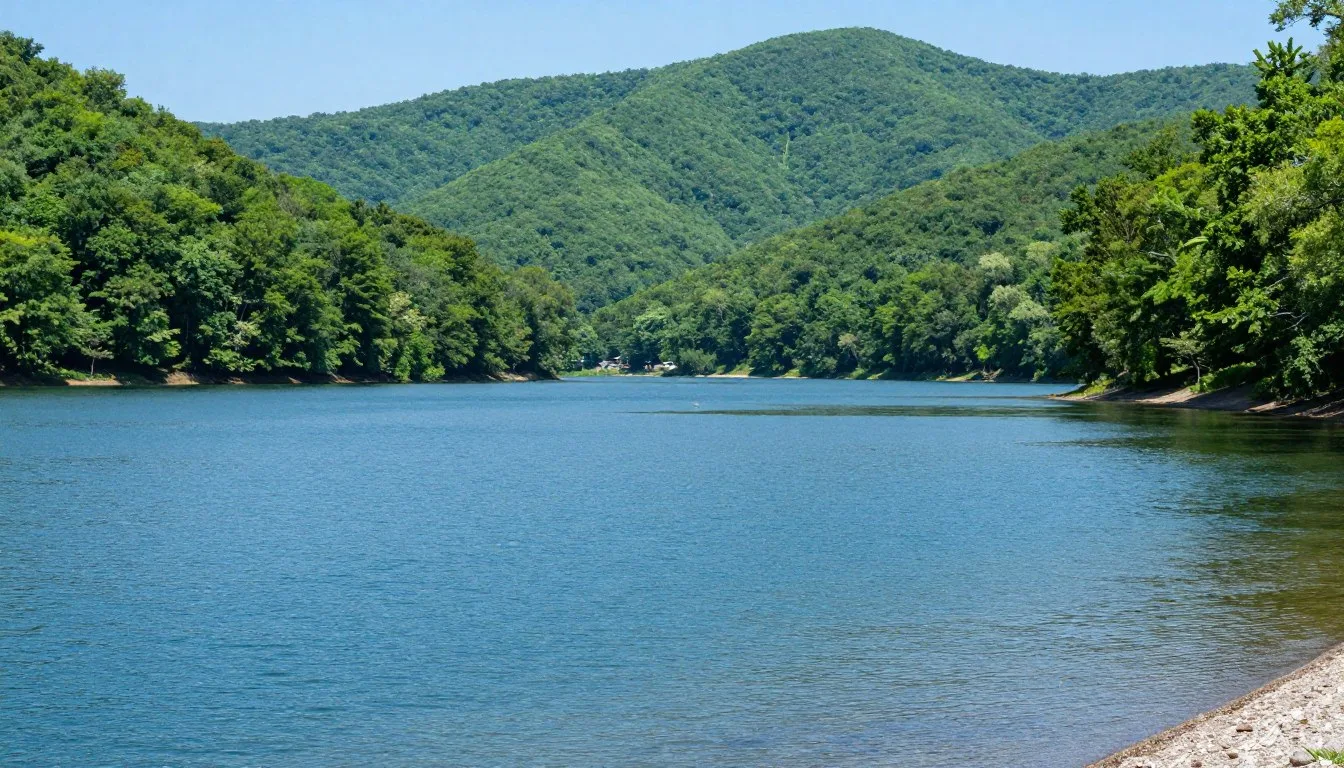
The 18-hectare (44-acre) lake supports non-motorized boating throughout the warmer months. Visitors may launch personal kayaks and canoes from the designated boat ramp area. The calm waters appeal to beginning paddlers while providing scenic touring for experienced boaters.
Fishing opportunities attract anglers seeking largemouth bass, bluegill, and catfish. Tennessee fishing licenses are required for anyone 13 years or older. The nature center provides current fishing regulations and recommendations for productive spots.
Water Safety: Personal flotation devices are required for all watercraft users regardless of swimming ability. The park does not provide boat rentals or lifeguard services.
Wildlife Observation
Patient observers encounter diverse wildlife throughout the nature preserve. White-tailed deer, wild turkeys, and numerous songbird species inhabit the area year-round. Spring migration brings exceptional bird-watching opportunities as neotropical species return from wintering grounds.
Dawn and dusk provide optimal wildlife viewing windows when animals are most active. Binoculars enhance observation while maintaining respectful distances that avoid disturbing natural behaviors.

Check 30,000+ Local Sightseeing Tours Worldwide
✓ Numerous languages and currencies are available
Seasonal Nature Experiences
Each season transforms the mountain park landscape, offering unique outdoor experiences throughout the year. Spring wildflower blooms create colorful displays along shaded trail sections. Summer’s lush canopy provides welcome shade during warm afternoon hikes.
Autumn foliage attracts photographers and nature enthusiasts who appreciate the spectacular color transitions. Winter snows occasionally transform the area into a peaceful wonderland perfect for quiet contemplation and photography.
Travel With Children

Bays Mountain Park ranks among Tennessee’s most family-friendly destinations, offering numerous activities that engage children while fostering environmental appreciation. The mountain park’s educational focus makes every visit both fun and enriching for young minds.
Kid-Friendly Attractions
The nature center captivates children with interactive exhibits allowing hands-on exploration. Touch tanks let kids safely interact with aquatic creatures while learning about freshwater ecosystems. Live animal displays featuring snakes, turtles, and fish fascinate young visitors.
Planetarium shows tailored for younger audiences introduce basic astronomy concepts through engaging visual presentations. Special children’s programs run during school breaks and summer months, featuring age-appropriate science activities.
Animal habitat viewing provides exciting opportunities to observe wolves, raptors, and deer. Most children find the red wolves particularly thrilling, and educational signs explain conservation efforts in kid-accessible language.
Family-Friendly Trails
The Lakeside Trail accommodates families with young children, offering gentle terrain suitable for little legs. This easy path includes several benches for rest stops and provides wildlife viewing opportunities that hold children’s attention.
Shorter loop trails allow families to customize hiking distances based on children’s ages and energy levels. Trail maps available at the nature center help parents plan appropriate adventures.
Safety Considerations for Families
- Supervise children closely near the lake and on elevated trail sections
- Apply sunscreen and insect repellent before outdoor activities
- Bring adequate snacks and water to maintain children’s energy and hydration
- Dress kids in bright colors to maintain visual contact on busy trails
- Teach children to stay on marked trails and respect wildlife from safe distances
Educational Opportunities
Junior Ranger programs engage children through scavenger hunts and educational activities. These self-guided adventures teach environmental concepts while keeping kids entertained throughout their visit.
The farmstead museum offers tangible history lessons showing how Tennessee children lived in earlier eras. Kids enjoy comparing modern conveniences to pioneer life challenges.
Parent Tip: Visit during weekday mornings when crowds are lighter and children can more easily explore exhibits without feeling rushed. The nature center’s air conditioning provides comfortable breaks during warm weather.
Money Saving Tips

Experiencing Bays Mountain’s natural wonders doesn’t require significant financial investment. Smart planning helps families maximize their visit while minimizing expenses.
Admission and Fee Structure
The mountain park charges modest admission fees that represent exceptional value. A small daily fee per person grants access to trails, nature center exhibits, and animal habitats. Children under certain ages typically enter free when accompanied by paying adults.
Annual memberships offer substantial savings for locals and frequent visitors. These passes typically pay for themselves after three or four visits while providing additional member benefits.
Free and Low-Cost Activities
Most hiking trails require no additional fees beyond basic park admission. Visitors can spend entire days exploring without additional charges. The nature center’s educational programs and animal feeding demonstrations are included with admission.
Self-guided exploration of the farmstead museum adds historical context without extra costs. The fire tower viewing experience provides spectacular panoramas at no additional charge.
Budget-Friendly Dining Strategies
Pack picnic meals to enjoy at designated areas throughout the park. This approach saves significantly compared to restaurant dining while allowing flexible meal timing. Several scenic overlooks provide memorable picnic settings.
Stock up on snacks and drinks before arriving, as the park has limited on-site food options. A cooler with sandwiches, fruit, and beverages ensures the whole family stays energized without expensive convenience store stops.
Timing and Seasonal Savings
Visit during weekdays when possible to avoid weekend crowds and potentially enjoy quieter experiences. Some facilities offer reduced admission during off-peak seasons.
Plan trips during spring or fall shoulder seasons when lodging rates in Johnson City drop compared to peak summer pricing. The weather remains pleasant while accommodation costs decrease.
Additional Cost-Cutting Strategies
- Bring refillable water bottles rather than purchasing beverages
- Carpool with friends or family to share fuel costs
- Take advantage of free educational programs instead of paid tours elsewhere
- Camp at nearby state parks for affordable overnight accommodations
- Use library resources to research the area before visiting, saving on guidebook purchases
Safety, Etiquette & Local Customs

Responsible visitation ensures both personal safety and preservation of the nature preserve for future generations. Understanding basic guidelines helps everyone enjoy the mountain park while protecting its delicate ecosystems.
Trail Safety Essentials
Always inform someone of your planned route and expected return time before embarking on longer hikes. Cell phone coverage remains unreliable in remote areas, making this precaution critical.
Carry adequate water, typically one liter per person for every two hours of hiking. Tennessee’s humidity can cause rapid dehydration even during moderate temperatures.
Wear sturdy hiking footwear with good ankle support and traction. Trail conditions vary from smooth paths to rocky, root-covered sections that challenge balance.
Check weather forecasts before visiting and postpone trips during severe weather warnings. Thunderstorms develop quickly in mountain areas during summer afternoons.
Wildlife Interaction Guidelines
Observe all wildlife from respectful distances that avoid causing stress or behavioral changes. Never attempt to feed wild animals, as this disrupts natural behaviors and creates dangerous dependencies.
Keep dogs leashed at all times to protect both pets and wildlife. Loose dogs disturb nesting birds and other sensitive species while potentially encountering defensive animals.
The park’s wolves and raptors reside in secure enclosures for their safety and visitor protection. Never attempt to reach through fencing or disturb these protected animals.
Environmental Stewardship
Practice Leave No Trace principles by packing out all garbage, including organic waste like fruit peels. Proper disposal maintains the area’s natural beauty while protecting wildlife health.
Stay on designated trails to prevent erosion and protect fragile plant communities. Shortcutting switchbacks damages vegetation and accelerates trail degradation.
Avoid removing any natural objects including rocks, plants, or historical artifacts. These items play important ecological roles or hold cultural significance.
Southern Hospitality and Local Customs
Tennessee visitors typically encounter friendly, welcoming interactions with staff and fellow nature enthusiasts. Returning greetings and engaging in brief conversations represents normal social expectations.
Respect quiet contemplation that many visitors seek in natural settings. Keep voices moderate and avoid playing music that disturbs the peaceful atmosphere.
Yield trail right-of-way to uphill hikers, who work harder and benefit from maintaining momentum. Step aside on narrow sections to allow faster hikers to pass safely.
Emergency Contact: In case of emergency, call 911 immediately. Provide your location as accurately as possible, noting nearby trail markers or landmarks to help responders locate you quickly.
Visitor Comments About Bays Mountain
“Our family spent an entire day exploring the trails and animal habitats. The kids absolutely loved seeing the wolves, and the planetarium show was fascinating for all ages. The nature center staff answered every question with enthusiasm and knowledge. We’ll definitely return on our next Tennessee trip.”
“As someone who’s visited numerous state parks across the country, Bays Mountain impressed me with its well-maintained trails and educational focus. The combination of hiking, wildlife viewing, and astronomy programs provides exceptional value. The fire tower view alone justifies the visit.”
“We discovered Bays Mountain by accident while passing through Johnson City and ended up spending half a day there. The peaceful lake trail offered exactly the nature immersion we needed. The farmstead museum added an interesting historical dimension. This hidden gem deserves more recognition among Tennessee attractions.”
Additional Nearby Destinations
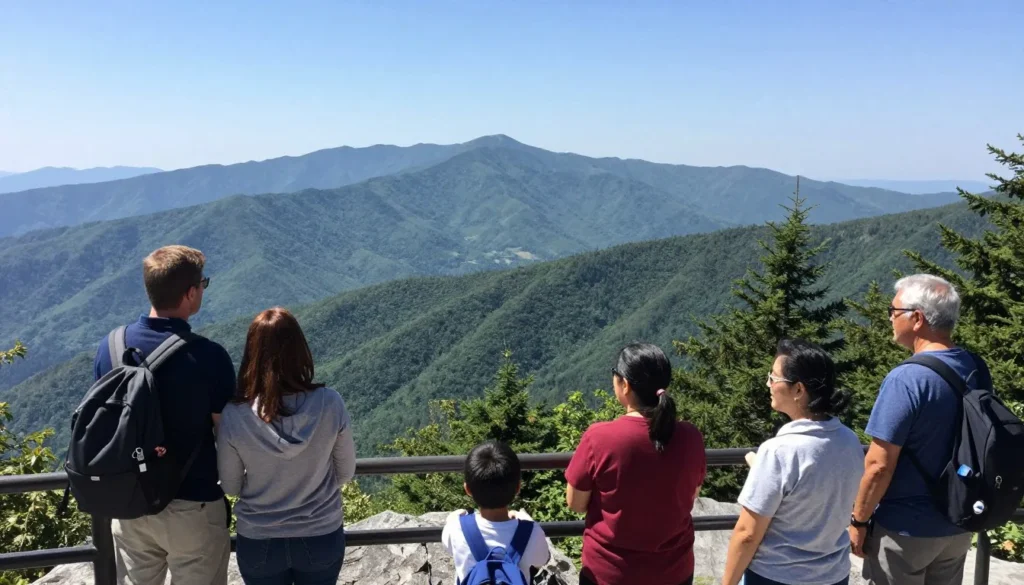
Bays Mountain serves as an excellent base for exploring numerous East Tennessee attractions. Several remarkable destinations lie within easy driving distance, allowing visitors to create comprehensive regional itineraries.
Great Smoky Mountains National Park
America’s most-visited national park sits approximately 128 kilometers (80 miles) south of Johnson City. This iconic destination offers world-class hiking, historic structures, and unmatched biodiversity. Plan full-day excursions to explore the park’s most popular areas.
Bristol Motor Speedway
NASCAR enthusiasts appreciate this legendary racing venue located 37 kilometers (23 miles) north. The speedway hosts major racing events throughout the season while offering behind-the-scenes tours during non-race periods.
Jonesborough Historic District
Tennessee’s oldest town preserves beautiful 18th and 19th-century architecture in a walkable downtown district. This charming community, situated 19 kilometers (12 miles) from Bays Mountain, features numerous antique shops, galleries, and the famous International Storytelling Center.
Roan Mountain State Park
This spectacular mountain destination approximately 64 kilometers (40 miles) from Johnson City showcases one of the world’s largest natural rhododendron gardens. June blooms attract thousands of visitors to witness the stunning floral displays.
Warriors Path State Park
Located just 16 kilometers (10 miles) from Bays Mountain, this state park offers camping, golf, and additional water recreation opportunities. The park’s proximity makes it an ideal camping base for Bays Mountain visits.
Cultural Attractions
- Birthplace of Country Music Museum (Bristol)
- East Tennessee State University (Johnson City)
- Hands On! Discovery Center (Johnson City)
- Historic Jonesborough walking tours
Outdoor Recreation
- Appalachian Trail access points
- Cherokee National Forest
- Watauga Lake recreation area
- Multiple state parks and preserves
Practical Travel Tips
Operating Hours and Admission
The nature center typically operates from 8:30 AM to 5:00 PM during peak seasons, with reduced winter hours. Trails remain accessible from dawn to dusk year-round. Verify current hours before visiting, as seasonal schedules change.
Admission fees remain modest, with special rates for seniors, military personnel, and children. The planetarium charges small additional fees for shows. Annual passes offer excellent value for frequent visitors.
What to Bring
- Comfortable hiking shoes with good traction
- Weather-appropriate layered clothing
- Refillable water bottles for entire group
- Sunscreen and insect repellent
- Trail map from nature center
- Camera or smartphone for photography
- Binoculars for wildlife observation
- Small first aid kit for minor injuries
Photography Guidelines
Photography is welcomed throughout the mountain park for personal use. The fire tower, lake views, and animal habitats provide exceptional photo opportunities. Drone usage requires special permission from park management.
Respect other visitors’ privacy when photographing in public areas. The stunning natural scenery offers endless composition possibilities without including unwilling subjects.
Accessibility Information
The nature center, planetarium, and animal habitat viewing areas accommodate visitors with mobility challenges. Paved pathways connect these facilities, though some trail systems remain inaccessible to wheelchairs.
Contact the visitor center in advance to discuss specific needs and available accommodations. Staff members gladly assist with planning accessible visits.
Pet Policies
Leashed pets are permitted on most trails but prohibited inside buildings including the nature center and planetarium. Owners must clean up after pets and maintain control at all times. Consider leaving pets at home during hot weather due to limited shade on some trails.
Language Services
English serves as the primary language for all signage and programming. International visitors with limited English proficiency should consider downloading translation apps before arrival, as cell service remains unreliable in remote areas.
Call the main information line above for any questions regarding accessibility, policies, or current conditions before your visit.
Your Adventure Awaits in the Tennessee Mountains
Bays Mountain Park stands ready to deliver unforgettable experiences that reconnect visitors with the natural world. From challenging hiking trails that test your endurance to peaceful lake shores perfect for quiet reflection, every corner of this nature preserve offers discovery.
The combination of educational programs, wildlife encounters, and pristine wilderness creates a destination that satisfies both adventure seekers and contemplative nature lovers. Whether you spend a few hours or multiple days exploring, the mountain park leaves lasting impressions that inspire return visits.
Pack your hiking boots, charge your camera, and prepare for an authentic Tennessee mountain experience. The trails, animals, and stunning vistas of Bays Mountain await your arrival, promising memories that endure long after your journey home.