Hotels by Trip.com
Flights by Trip.com
Only 2% of hikers who venture into the Cherokee National Forest ever reach the summit of Big Frog Mountain, making it one of Tennessee’s most pristine and uncrowded wilderness destinations. This remote peak offers adventurers an authentic backcountry experience far from tourist crowds.
The mountain earned its unusual name from a massive frog-shaped rock formation near the summit that early settlers discovered in the 1800s. Though the rock has since eroded, the name stuck and now defines one of the Southeast’s most remarkable wilderness areas spanning over 8,000 acres across Tennessee and Georgia.
Whether you seek challenging ridge trails, peaceful riverside camping, or wildlife observation opportunities, Big Frog Mountain delivers authentic mountain experiences. This guide covers everything you need to plan an unforgettable visit to this hidden Tennessee treasure.
Getting There & Planning Your Journey
Reaching Big Frog Mountain requires advance planning. The area sits in southeastern Tennessee, straddling the Tennessee-Georgia border within the Cherokee National Forest and Cohutta Wilderness.
The closest major airport is Chattanooga Metropolitan Airport (CHA), located approximately 64 km (40 miles) northwest of the Big Frog trailheads. This regional hub offers connections through major carriers and convenient car rental facilities.
Nashville International Airport (BNA) provides another option, sitting about 209 km (130 miles) northwest. While farther, Nashville offers more flight options and competitive rental rates for those combining their Big Frog visit with other Tennessee destinations.

From Chattanooga, drive east on Highway 64 toward Ducktown. Turn north on Forest Service Road 221, which provides access to multiple trailheads. Roads become unpaved as you approach the wilderness boundary.
A high-clearance vehicle is strongly recommended. Forest Service roads can be rough, especially after rain. Four-wheel drive isn’t mandatory during dry conditions but offers peace of mind on steeper sections.
Cell phone coverage disappears once you leave main highways. Download offline maps before departing and inform someone of your hiking plans and expected return time.
Best Time to Visit & Weather Tips
Best Time to Visit Big Frog Mountain
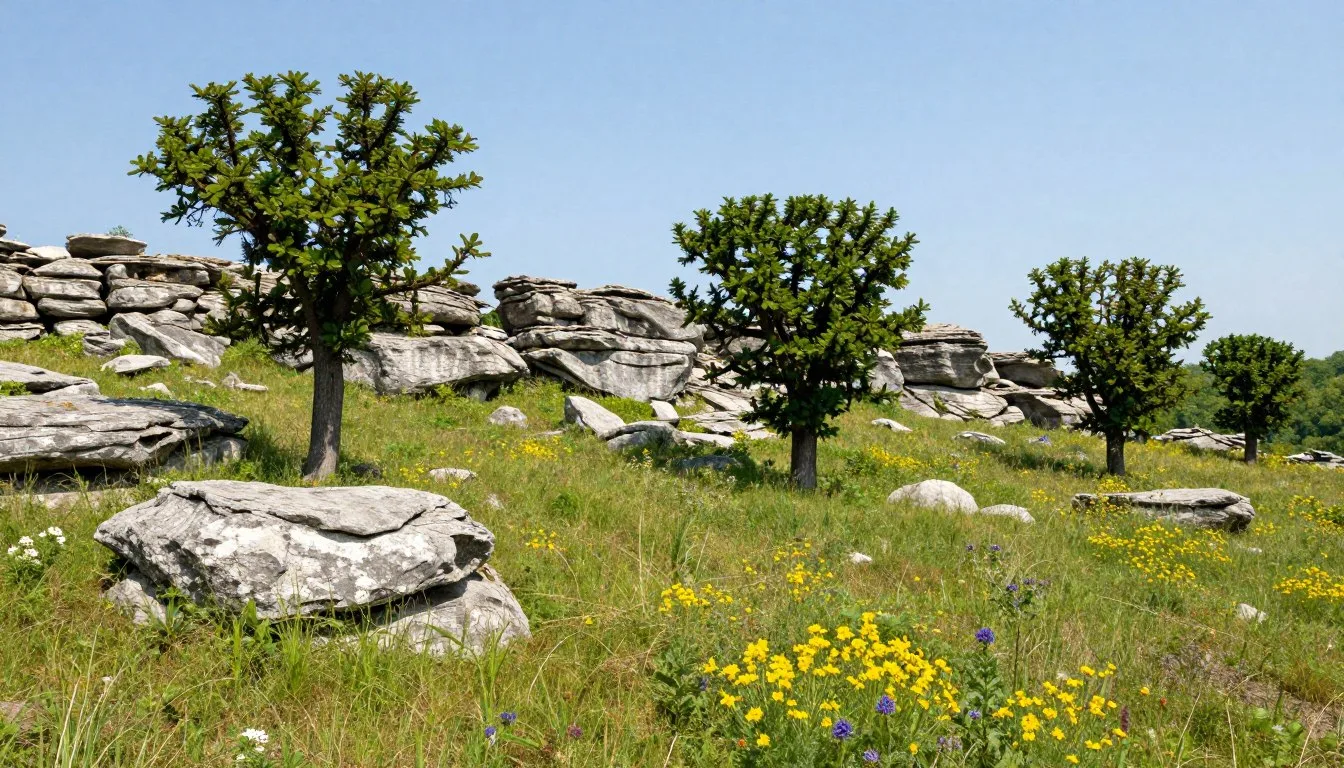
Spring and fall offer the most rewarding conditions for exploring the Big Frog wilderness area. April through May brings wildflower blooms and moderate temperatures perfect for long trail days.
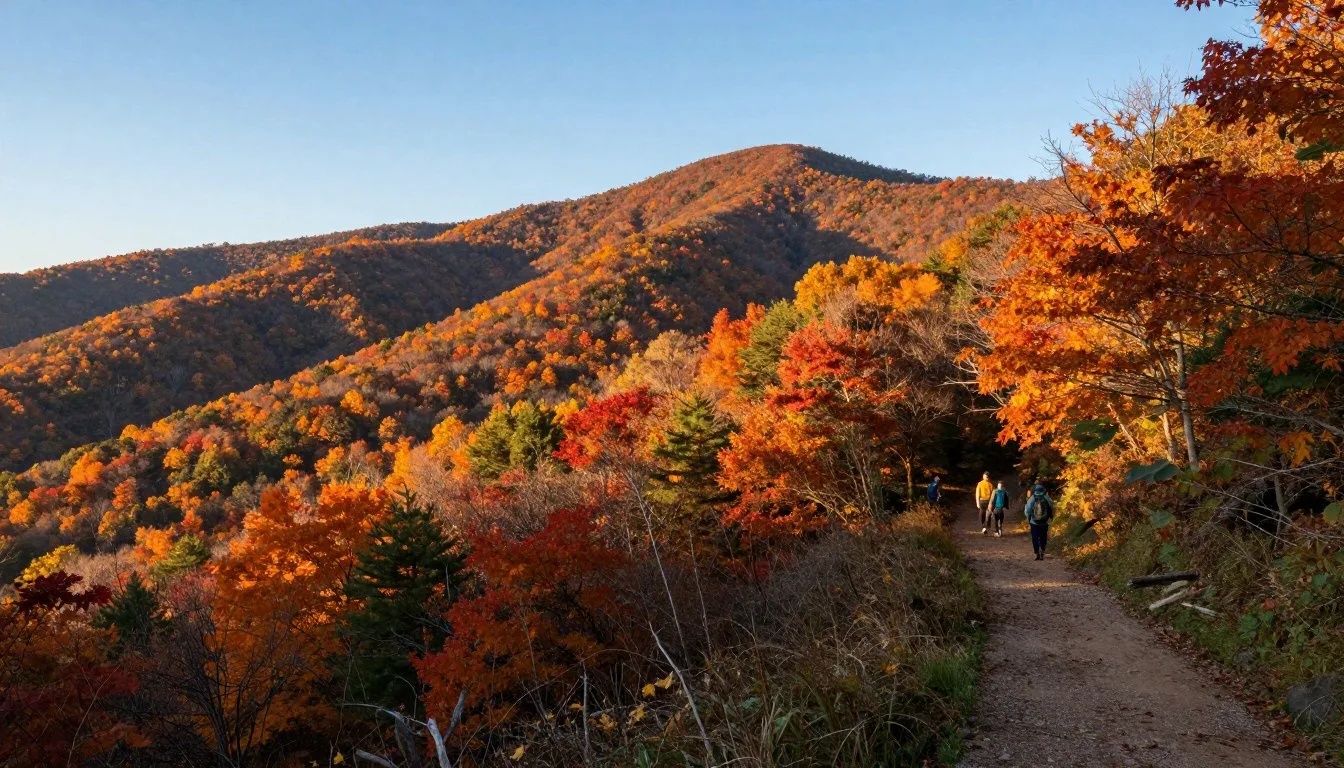
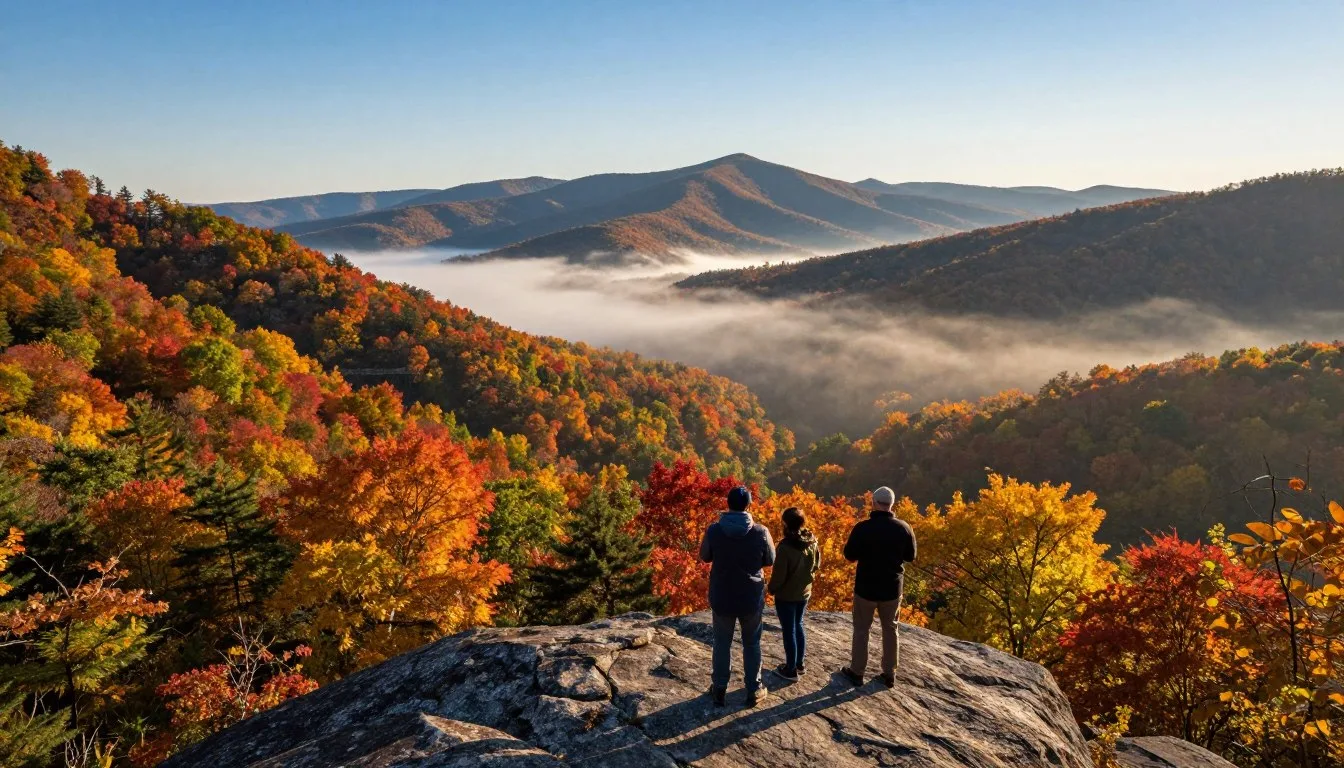
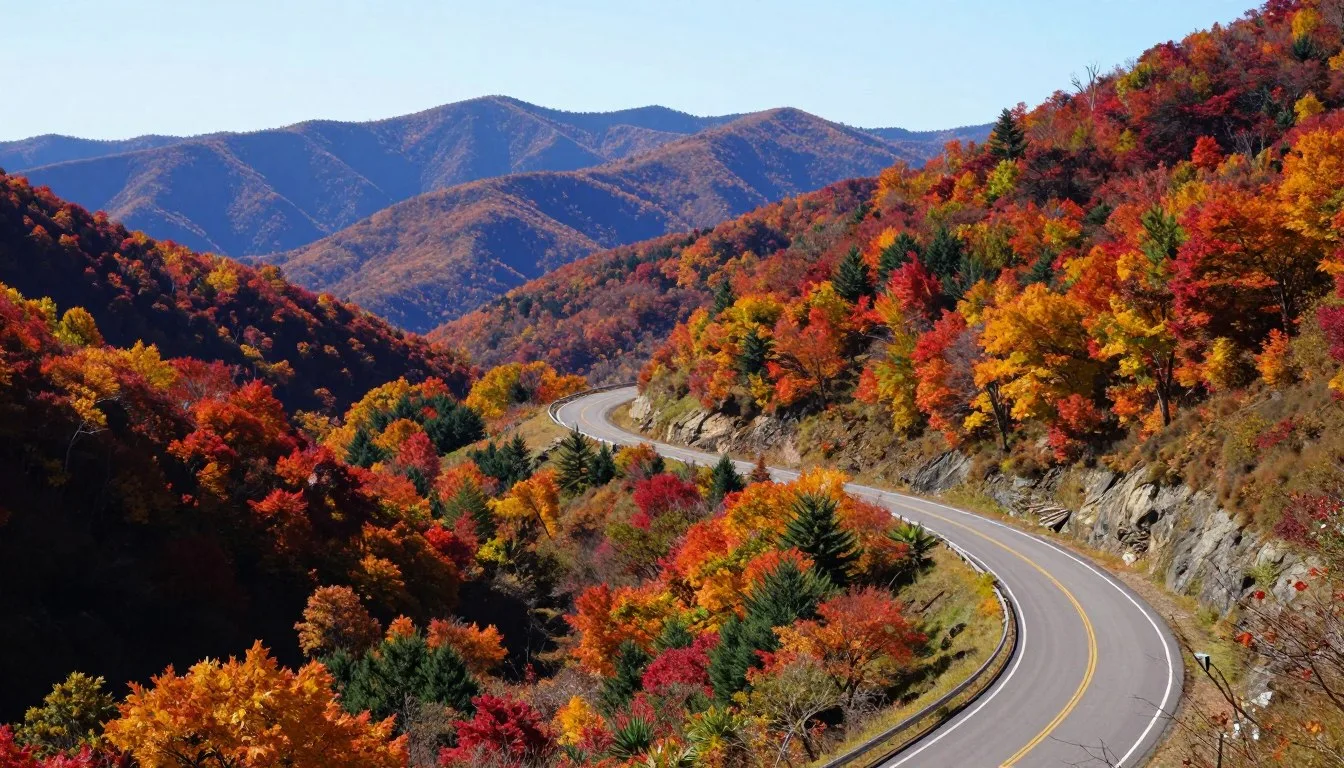
September through November delivers spectacular fall foliage displays. The ridge trails provide stunning vistas of red, orange, and gold canopies stretching across mountain ridges. October typically sees peak color.
Summer temperatures can reach 29°C (85°F) at lower elevations, though the summit stays cooler. Afternoon thunderstorms are common from June through August. Start hikes early to avoid weather exposure.
Winter hiking is possible but challenging. Snow and ice frequently coat north-facing slopes and ridge trails from December through February. The summit of Big Frog Mountain can experience harsh conditions with temperatures dropping below -7°C (20°F).
Check 30,000+ Local Sightseeing Tours Worldwide
✓ Numerous languages and currencies are available
Avoid visiting during: Late June through August for uncomfortable heat and humidity, and January through early March when ice makes trails treacherous without proper equipment.
Notable Annual Festivals
The Big Frog wilderness itself hosts no organized festivals to preserve its backcountry character. However, nearby communities celebrate mountain culture and outdoor recreation throughout the year.
The Ducktown Basin Museum hosts heritage events in spring and fall, showcasing the area’s mining history and mountain traditions. Contact them for current schedules and event details.
Outdoor recreation groups occasionally organize group hikes and trail maintenance days. Check with local hiking clubs for volunteer opportunities and guided excursions into the Big Frog area.
Getting Around Locally
Personal vehicles are essential for accessing Big Frog Mountain trailheads. No public transportation serves the remote forest service roads leading to wilderness access points.
The main trailheads include Cohutta Wilderness trailheads accessed from Forest Service Road 221 and Wolf Ridge Trail accessed from Forest Service Road 62. Each requires navigating several miles of unpaved roads.
Parking areas at popular trailheads fill quickly on weekends during peak seasons. Arrive before 8 AM to secure parking, especially for Hemp Top Trail and Licklog Ridge Trail access points.
Once in the wilderness, travel is exclusively by foot. The Big Frog area maintains its primitive character with no roads, vehicles, or motorized equipment permitted beyond wilderness boundaries.
Trail junctions are marked but not always obvious. Carry detailed topographic maps and a compass or GPS device. The Hemp Top Trail, Wolf Ridge Trail, and Licklog Ridge Trail form the primary route network.
Where to Stay
Backcountry camping within the Big Frog wilderness offers the most immersive experience. No permits are required, but Leave No Trace principles must be followed strictly.
Popular camping areas include spots along Jacks River Trail and near the summit of Big Frog Mountain. Water sources exist but should be filtered or treated. Camp at least 61 m (200 feet) from water sources and trails.

For those preferring established facilities, the Cherokee National Forest operates several developed campgrounds within 32 km (20 miles) of Big Frog trailheads. Thunder Rock Campground near Lake Ocoee provides sites with basic amenities.
Ducktown and Copperhill offer budget-friendly motels and small inns. These towns sit approximately 24 km (15 miles) from main trailheads and provide restaurants, gas stations, and last-minute supplies.
Blue Ridge, Georgia, located 40 km (25 miles) south, features more lodging variety including bed-and-breakfasts and vacation rentals. This mountain town serves as a comfortable base for multi-day Big Frog explorations.
Chattanooga provides the widest accommodation selection, from economy chains to boutique hotels. The drive to trailheads takes about 90 minutes, making it suitable for those combining Big Frog with other regional attractions.
Dining & Local Cuisine
The Big Frog wilderness itself has no dining facilities. All visitors must pack sufficient food and water for their adventures. Most hikers carry trail snacks, sandwiches, and dehydrated meals for overnight trips.
Ducktown offers several local restaurants serving Southern comfort food. Country-style diners provide hearty breakfasts perfect for fueling hiking days. Expect generous portions of biscuits, gravy, eggs, and bacon.
The Ocoee region features riverside restaurants with outdoor seating. After a long day on the trails, these spots offer burgers, sandwiches, and cold beverages with scenic views.
Blue Ridge, Georgia, presents more diverse options including barbecue joints, pizza restaurants, and Mexican cuisine. The downtown area hosts several locally-owned eateries showcasing Appalachian ingredients.
Stock up on groceries and trail food before reaching the area. Full-service supermarkets in Chattanooga or Cleveland, Tennessee, offer the best selection for provisioning multi-day trips.
Water sources exist throughout Big Frog wilderness, but all water must be filtered or chemically treated before drinking. Carry sufficient water capacity for dry sections between sources.
Attractions, Sightseeing & Activities
The summit of Big Frog Mountain stands as the primary destination for most visitors. At 1,265 m (4,150 feet) elevation, the peak offers limited views due to forest coverage, but reaching it provides a genuine accomplishment.
Hemp Top Trail serves as the most direct route to the summit, covering approximately 8 km (5 miles) one way with significant elevation gain. This challenging trail rewards hikers with diverse forest ecosystems and occasional ridge views.
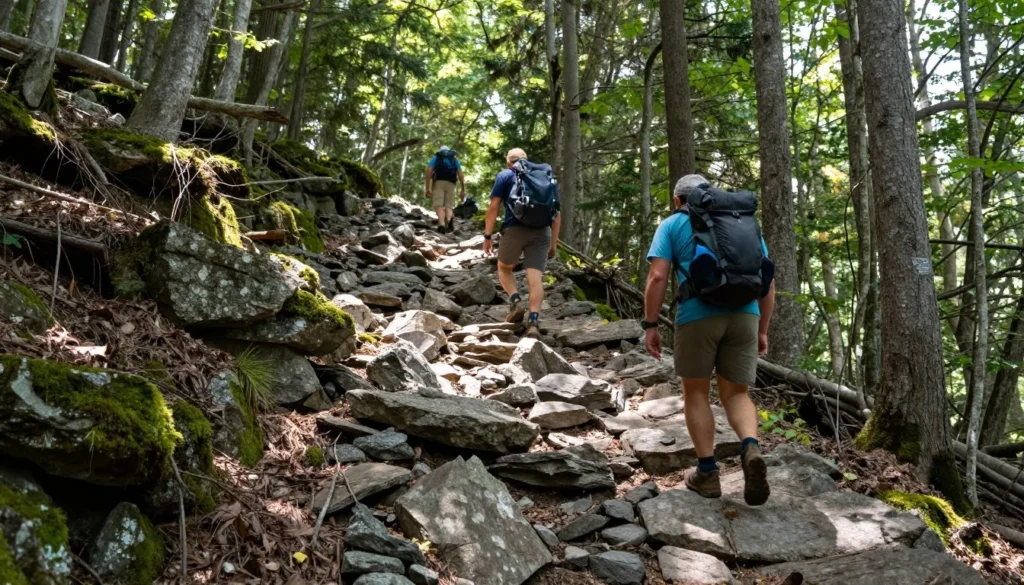
Wolf Ridge Trail provides an alternative approach from the north, offering spectacular ridge-walking experiences. This trail stretches approximately 11 km (7 miles) and connects with other trails for loop possibilities.
Licklog Ridge Trail creates excellent loop options when combined with Hemp Top and Wolf Ridge trails. Experienced backpackers often tackle 24-32 km (15-20 mile) circuits over two to three days.
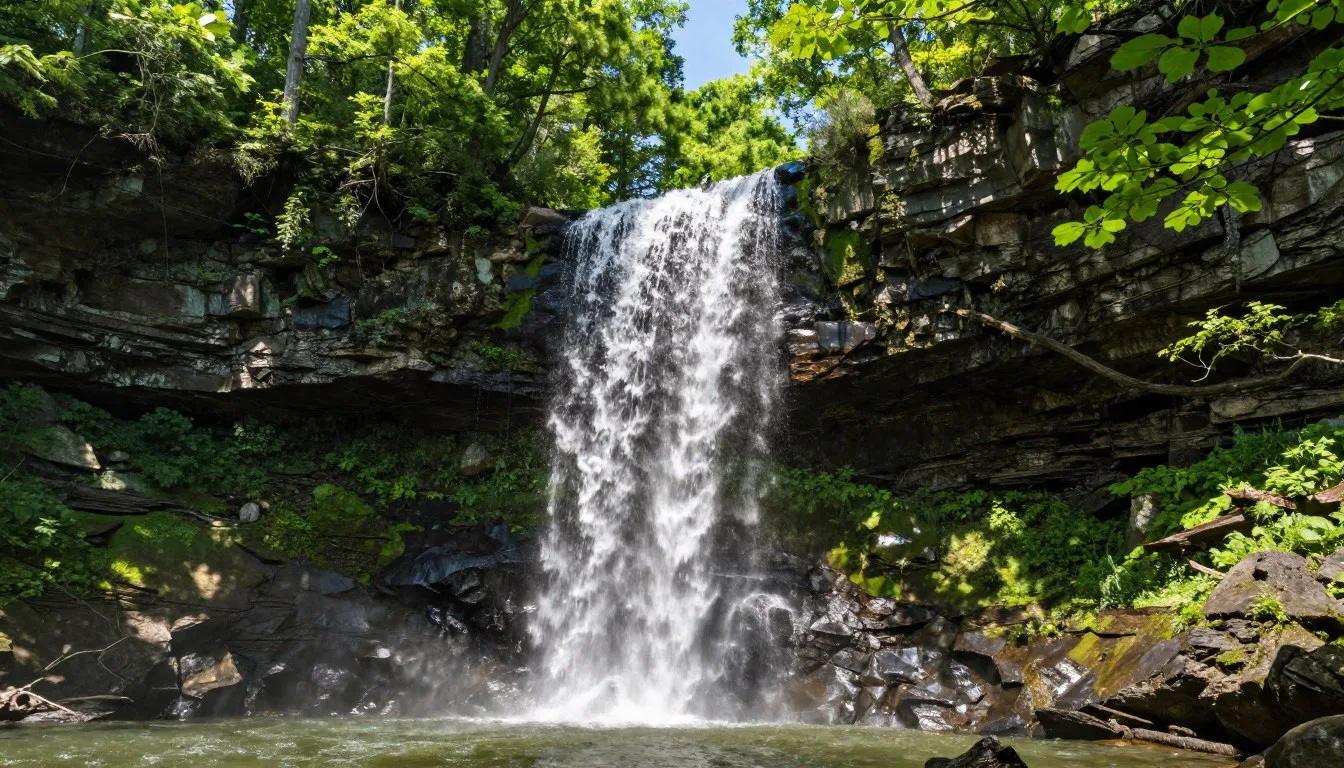
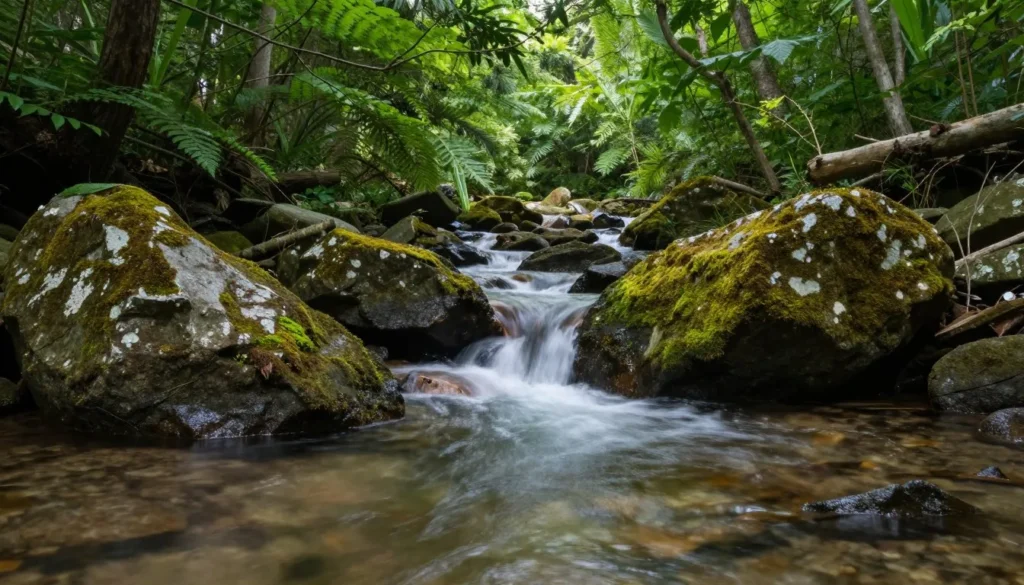
The Jacks River area on the Georgia side features beautiful riverside trails perfect for day hikes. Jacks River Trail follows the tumbling river through scenic gorges with small waterfalls and swimming holes.
Wildlife observation opportunities abound throughout Big Frog wilderness. Black bears inhabit the area, along with white-tailed deer, wild turkeys, and numerous bird species. Spring and fall migrations bring colorful warblers.
Fishing is permitted in streams with valid Tennessee or Georgia licenses depending on location. Brook trout and rainbow trout inhabit cold mountain streams, though populations are sparse and fish are typically small.
Museums, Cultural Spots & Festivals
The Ducktown Basin Museum preserves the region’s copper mining heritage. Located in nearby Ducktown, this museum tells the story of massive mining operations that once denuded surrounding mountains.
The museum showcases mining equipment, historical photographs, and geological exhibits explaining how copper deposits formed. Admission is modest, and guided tours provide fascinating insights into industrial history that shaped the landscape.
The Ocoee Whitewater Center, built for the 1996 Olympics, sits near Big Frog wilderness. While primarily focused on whitewater sports, the center includes interpretive displays about the region’s natural and cultural history.
Cherokee National Forest visitor centers offer educational programs about forest ecology, wildlife, and recreation opportunities. Rangers provide current trail conditions and safety information valuable for trip planning.
The town of Blue Ridge features art galleries showcasing Appalachian crafts and regional artists. These galleries highlight traditional mountain arts including pottery, woodworking, and textile crafts.
Nature & Outdoor Experiences
Backpacking represents the quintessential Big Frog experience. Multi-day loops allow hikers to fully immerse in wilderness while covering the area’s most scenic trails.
The combination of Hemp Top Trail, Wolf Ridge Trail, and Licklog Ridge Trail creates an excellent 29 km (18 mile) loop. This circuit showcases diverse terrain from river valleys to ridge crests, typically requiring two to three days.
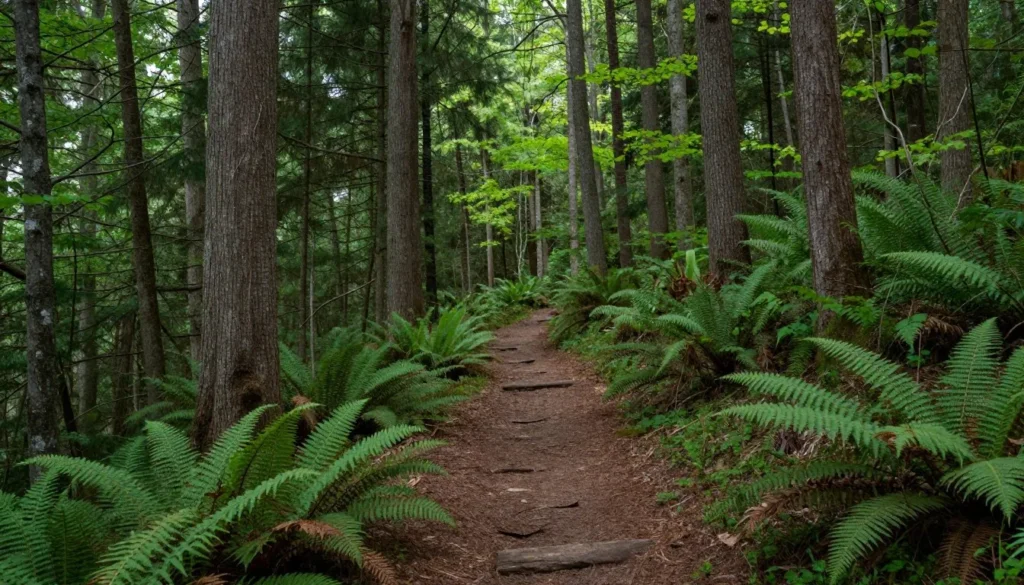
Day hiking options suit those with limited time or preferring lighter loads. The trail to Big Frog summit and back makes a challenging but achievable day hike of approximately 16 km (10 miles) round trip.
Spring wildflower displays paint forest floors with trilliums, lady slippers, and numerous other species. Late April through May offers peak blooming periods on middle elevation trails.
Fall foliage viewing from ridge trails provides breathtaking panoramas. The Big Frog area transforms into a tapestry of colors typically reaching peak brilliance in mid-October.
Bird watching attracts enthusiasts year-round. Neotropical migrants pass through during spring and fall, while resident species including pileated woodpeckers, barred owls, and ravens inhabit the forest permanently.
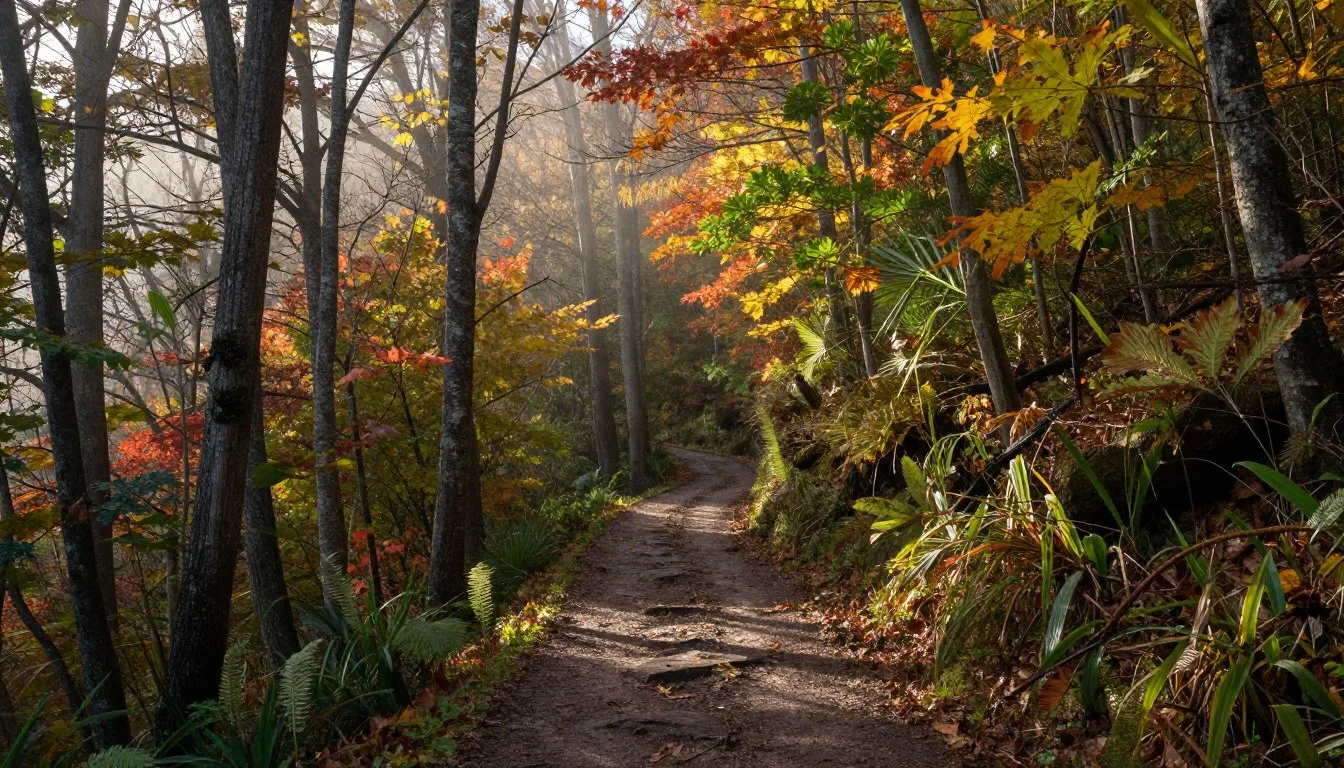
Photography opportunities exist throughout the wilderness. Autumn colors, misty morning valleys, and intimate forest scenes reward patient photographers willing to carry camera gear on trails.
Winter hiking offers solitude and unique beauty when snow dusts the landscape. Experienced winter hikers with proper equipment find the transformed wilderness magical, though conditions require advanced skills.
Travel With Children
Big Frog wilderness presents challenges for families with young children. The remote location, difficult trails, and primitive conditions require careful consideration before bringing kids.
Older children and teenagers with hiking experience can enjoy the wilderness. Families should start with shorter day hikes before attempting overnight trips to gauge children’s capabilities and interest levels.
The lower sections of Jacks River Trail offer gentler terrain suitable for families. This area provides accessible hiking with river views and opportunities to wade in shallow pools during warm weather.
Teach children wilderness safety before visiting. Topics should include staying on trails, wildlife awareness, water safety, and what to do if separated from the group.
Pack extra food, clothing, and first aid supplies when hiking with children. Kids tire more easily and may need more frequent breaks than adults anticipate.
Consider alternative Cherokee National Forest destinations for families with very young children. Developed campgrounds with shorter nature trails provide gentler introductions to outdoor recreation.
Money Saving Tips
Visiting Big Frog Mountain costs remarkably little compared to many tourist destinations. No entrance fees apply to Cherokee National Forest or the wilderness area itself.
Backcountry camping eliminates lodging expenses entirely. With proper equipment, visitors can explore for days while spending nothing on accommodations.
Prepare meals at home and pack all food rather than eating at restaurants. Trail meals cost far less than dining out, and proper nutrition supports better hiking performance.
Visit during weekdays to find better rates on nearby lodging if you choose not to camp. Weekend rates in surrounding towns often increase during peak seasons.
Share transportation costs by organizing group trips. Carpooling reduces fuel expenses while providing added safety benefits in remote areas.
Borrow or rent specialized equipment rather than purchasing gear you’ll use infrequently. Outdoor retailers and some ranger stations offer equipment rental programs.
Fill water bottles from wilderness sources using filters instead of buying bottled water. A quality filter pays for itself quickly while reducing plastic waste.
Download free maps and trail information from Forest Service websites before your trip. This eliminates the need to purchase guidebooks or commercial maps.
Safety, Etiquette & Local Customs
Black bears inhabit Big Frog wilderness. Store all food and scented items in bear-resistant containers or hang properly from trees. Never approach or feed wildlife.
Weather can change rapidly in mountains. Carry rain gear, extra layers, and fire-starting materials even on day hikes. Hypothermia risks exist year-round at higher elevations.
Emergency Preparedness: Cell service is nonexistent in the wilderness. Carry a detailed first aid kit, know basic wilderness medicine, and always inform someone of your hiking plans before departing.
Water sources require treatment before drinking. Giardia and other pathogens exist in even pristine-looking streams. Filter, boil, or chemically treat all water.
Leave No Trace principles aren’t optional in designated wilderness. Pack out all trash, stay on established trails, camp 61 m (200 feet) from water, and leave natural objects undisturbed.
Yield to uphill hikers on narrow trails. Step aside to let faster hikers pass. Keep noise levels low to preserve wilderness character for all visitors.
Campfires are discouraged in high-use areas. Use backpacking stoves for cooking and minimize campfire impacts when fires are necessary and permitted.
Respect private property boundaries adjacent to national forest lands. Some trailheads cross private land under easement agreements that require courteous behavior to maintain access.
Hunting seasons occur in Cherokee National Forest during fall and winter. Wear bright orange clothing during these periods even if you’re not hunting.
Visitor Comments About Big Frog Mountain
D.B., Barre
“Big Frog Mountain exceeded every expectation. The solitude and pristine wilderness made it feel like stepping back in time. The Hemp Top Trail challenged us, but reaching the summit delivered incredible satisfaction. We saw a black bear from a safe distance, and the fall colors were simply breathtaking. This is what real wilderness hiking should be.”
S.T., Ghent
“I’ve hiked throughout the Smokies, but Big Frog offers something special. The lack of crowds means you can actually hear nature instead of constant chatter. The trail system is well-maintained but not overdeveloped. Camping near the summit under stars with no light pollution was magical. Definitely requires good fitness and preparation, but completely worth the effort.”
S.L., Riyadh
“As an international visitor exploring American wilderness areas, Big Frog Mountain stood out as authentically wild. The ridge trails provided stunning views, and the forest felt ancient and untouched. Navigation required attention to maps and trail markers. I appreciated how well the wilderness character is preserved. This area deserves more recognition while hoping it stays relatively unknown to maintain its special character.”
Check 30,000+ Local Sightseeing Tours Worldwide
✓ Numerous languages and currencies are available
Additional Nearby Destinations
The Ocoee River, just minutes from Big Frog trailheads, offers world-class whitewater rafting. This Olympic venue provides thrilling rapids suitable for various skill levels with numerous outfitters offering guided trips.
Cohutta Wilderness adjoins Big Frog wilderness to the south in Georgia. This larger wilderness area features additional trail networks and extends backcountry opportunities for those wanting more exploration.

Benton MacKaye Trail passes through the region, offering long-distance hiking opportunities. This trail honors the Appalachian Trail founder and provides hundreds of miles of backcountry trekking.
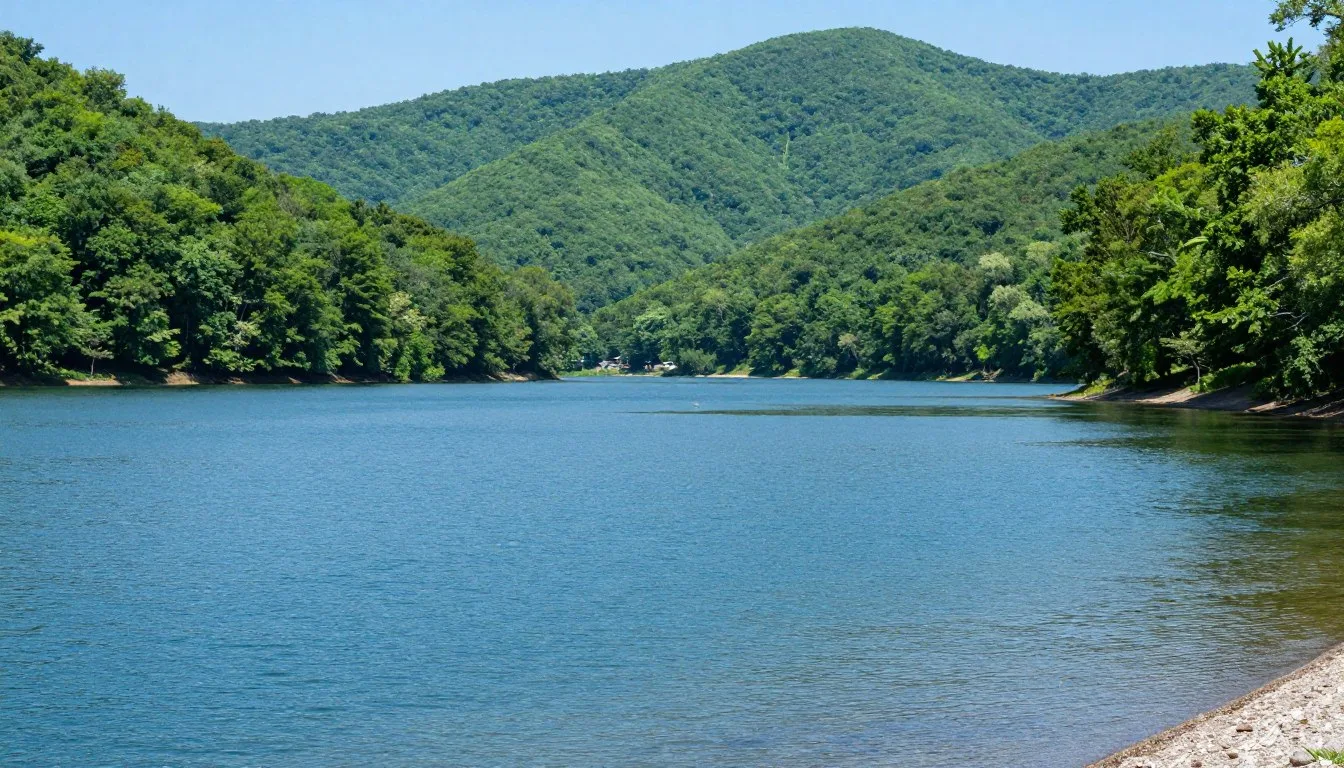
Lake Ocoee provides water recreation contrast to mountain wilderness. Fishing, kayaking, and swimming opportunities exist in this scenic reservoir surrounded by national forest.
Chattanooga sits close enough for day trips. This revitalized city offers aquarium visits, rock climbing areas, Civil War historical sites, and diverse dining and entertainment options.
The Cherokee National Forest encompasses vast areas beyond Big Frog. Numerous other wilderness areas, scenic drives, and recreation sites provide weeks of exploration possibilities.
Great Smoky Mountains National Park lies approximately 97 km (60 miles) northeast. America’s most-visited national park offers a completely different experience with developed facilities and massive crowds contrasting sharply with Big Frog’s solitude.
Practical Travel Tips
Purchase detailed topographic maps before your trip. The National Geographic Trails Illustrated map covering Cohutta and Big Frog wilderness areas provides excellent detail for navigation.
Break in hiking boots thoroughly before attempting longer Big Frog trails. Blisters can ruin wilderness experiences, and the remote location makes foot problems particularly troublesome.
Check current trail conditions with Cherokee National Forest ranger districts before departing. Storm damage occasionally closes trails or creates difficult crossing points.
Carry physical maps and compass as primary navigation tools. GPS devices and phone apps serve as backups but can fail due to dead batteries or equipment problems.
Pack appropriate clothing layers regardless of weather forecasts. Mountain conditions change quickly, and being prepared prevents dangerous situations from developing.
Start hikes early in the day, especially during summer. This provides more daylight for unexpected delays and allows completion before afternoon thunderstorms typically develop.
Learn basic wilderness first aid before visiting remote areas. Resources like Wilderness First Responder courses provide valuable skills for handling medical situations far from help.
Respect your physical limits and turn back if conditions exceed your abilities. The summit will still be there next time, but pushing beyond capabilities in wilderness areas risks serious consequences.
Consider visiting during less popular seasons. Spring and fall weekdays offer the best combination of good weather and minimal crowds on Big Frog trails.
Your Big Frog Adventure Awaits
Big Frog Mountain stands as a testament to wilderness preservation in the Southeast. This remarkable area offers adventurers authentic backcountry experiences increasingly rare in our modern world.
From challenging ridge trails to peaceful riverside camps, the Big Frog wilderness rewards those willing to venture beyond comfort zones. Every visit deepens appreciation for protected wild places and the importance of conservation.
Whether you spend a single day hiking to the summit or a week exploring interconnected trails, Big Frog Mountain will leave lasting impressions. The wilderness calls to those seeking solitude, challenge, and connection with nature in its purest form.
Start planning your Big Frog adventure today. The trails await, the forests beckon, and unforgettable experiences are just a hike away in this special corner of Tennessee wilderness.