Hotels by Trip.com
Flights by Trip.com
Hidden beneath the rolling hills of White County lies a subterranean marvel that few people realize is Tennessee’s longest surveyed cave system. Blue Spring Cave stretches an astounding 64 kilometers (40 miles) through limestone passages, making it one of the most extensive underground networks in the southeastern United States. The cave derives its name from the brilliant blue-tinted spring that marks its primary entrance, a natural phenomenon created by light refracting through crystal-clear water emerging from deep within the earth.
This comprehensive travel guide will help you discover everything this remarkable destination offers. From planning your journey to experiencing the underground wonders safely, you’ll find all the information needed for an unforgettable adventure in one of Tennessee’s hidden treasures.
Getting There & Planning Your Journey
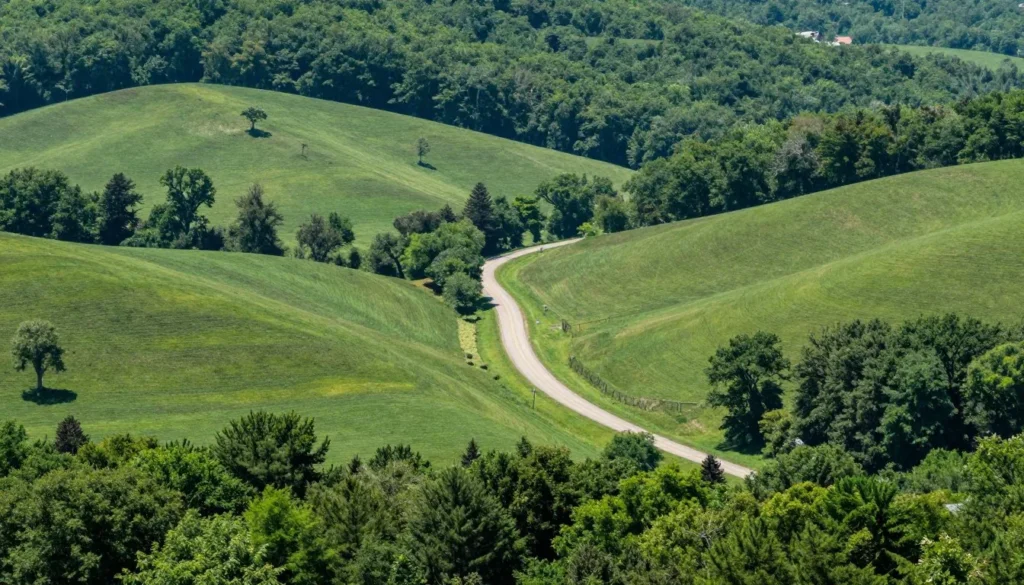
Blue Spring Cave sits in White County, Tennessee, approximately 113 kilometers (70 miles) east of Nashville. The cave area lies between Sparta and Cookeville, offering visitors a chance to explore genuine rural Tennessee while accessing this natural wonder.
The closest major airport is Nashville International Airport (BNA), located about 129 kilometers (80 miles) west of the cave area. This airport serves numerous domestic and international flights daily. McGhee Tyson Airport (TYS) in Knoxville provides another option, situated approximately 177 kilometers (110 miles) east of the destination. From either airport, renting a car gives you the freedom to explore the region at your own pace.
Driving remains the most practical way to reach Blue Spring Cave. From Nashville, take Interstate 40 east toward Cookeville, then follow State Highway 111 south. The journey takes roughly two hours under normal conditions. From Knoxville, head west on Interstate 40, then north on Highway 111. Plan for about two and a half hours of driving time.
The cave entrance requires accessing private property. Cavers must obtain permission before visiting, as the landowner maintains specific rules to protect both visitors and the delicate cave ecosystem. Contact the Southeastern Cave Conservancy or local caving organizations for current access information and requirements. Many experienced cavers recommend joining an organized trip for first-time visitors.
Essential Planning Considerations
Book accommodations well in advance, especially during peak seasons. The area attracts serious cavers year-round, but weekends and holidays see increased activity. Reserve lodging at least three to four weeks ahead for popular periods.
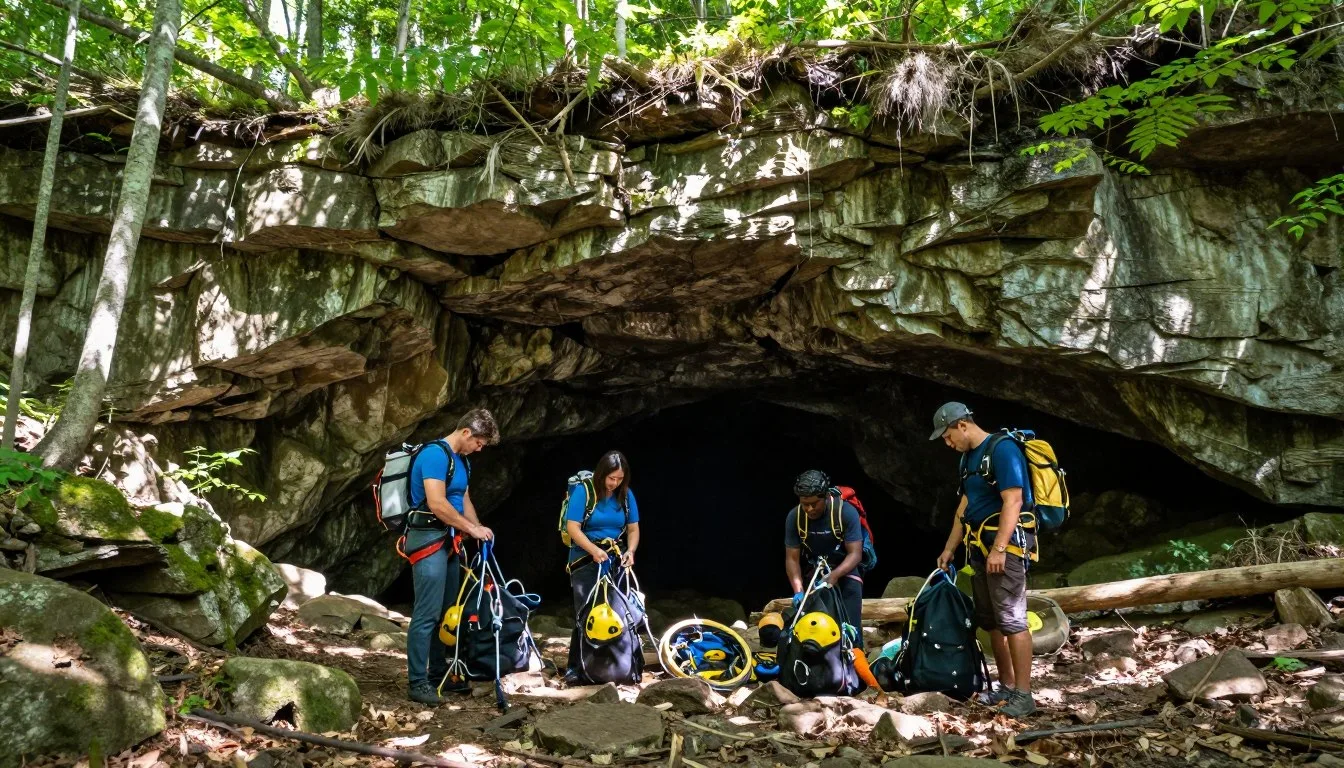
Purchase necessary equipment before arriving. While Cookeville and Sparta offer basic supplies, specialized caving gear requires ordering online or purchasing from outfitters in larger cities. Essential items include helmets, headlamps, backup lights, appropriate clothing, gloves, and sturdy boots.
Best Time to Visit & Weather Tips
Best Time to Visit Blue Spring Cave
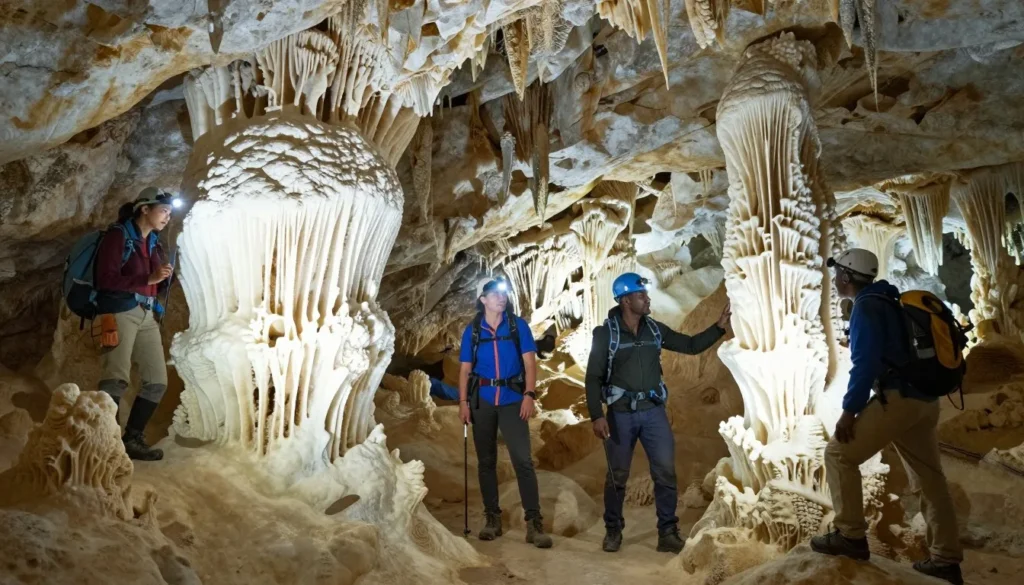
The ideal period for visiting Blue Spring Cave runs from late spring through early fall, specifically May through October. During these months, surface conditions remain pleasant, with temperatures ranging from 18°C to 29°C (65°F to 85°F). The cave maintains a constant temperature of approximately 14°C (58°F) year-round, providing comfortable exploring conditions regardless of outside weather.
Summer months (June through August) offer the most stable weather patterns. However, this period also brings higher humidity and occasional heavy rainfall. Check weather forecasts carefully, as flooding can make certain passages dangerous or impassable. Late spring (May) and early fall (September and October) provide excellent conditions with fewer crowds and more predictable weather.
Avoid winter visits (December through February) unless you’re an experienced caver. Surface temperatures drop to -1°C to 7°C (30°F to 45°F), creating icy conditions near the entrance. Snow and ice make access roads treacherous. Heavy winter rains also increase water levels inside the cave, making some sections hazardous.
Notable Annual Festivals
The region hosts several events that caving enthusiasts should consider when planning visits:
The Tennessee Cave Survey holds its annual TAG Fall Cave-In each October in nearby Sequatchie Valley. This gathering brings together cavers from across the Southeast for workshops, presentations, and organized trips. Contact the event organizers at +1 423-555-0147 for current year details and registration.
White County celebrates its Heritage Festival each September in Sparta, featuring local crafts, food, and cultural demonstrations. While not cave-specific, this event provides excellent insight into regional culture. For information, call +1 931-555-0293.
The Cookeville Caving Rendezvous occurs each spring in April, bringing together cave explorers for educational sessions and trip planning. Reach organizers at +1 931-555-0418 for schedules and participation requirements.
Weather Preparation Tips
Pack layers even during summer visits. The 15-degree temperature difference between surface and cave requires adjustment. Bring waterproof outer layers regardless of forecast. Underground streams and wet passages make moisture inevitable.
Monitor local weather for three days before your planned cave visit. Heavy rainfall creates dangerous conditions inside the cave. Water levels rise quickly, and some passages flood completely. Postpone trips if significant rain falls within 48 hours of your planned exploration.
Getting Around Locally
The rural character of White County means personal transportation is essential. No public transit serves the cave area. Rental cars from Nashville or Knoxville airports provide the most flexibility for visitors.
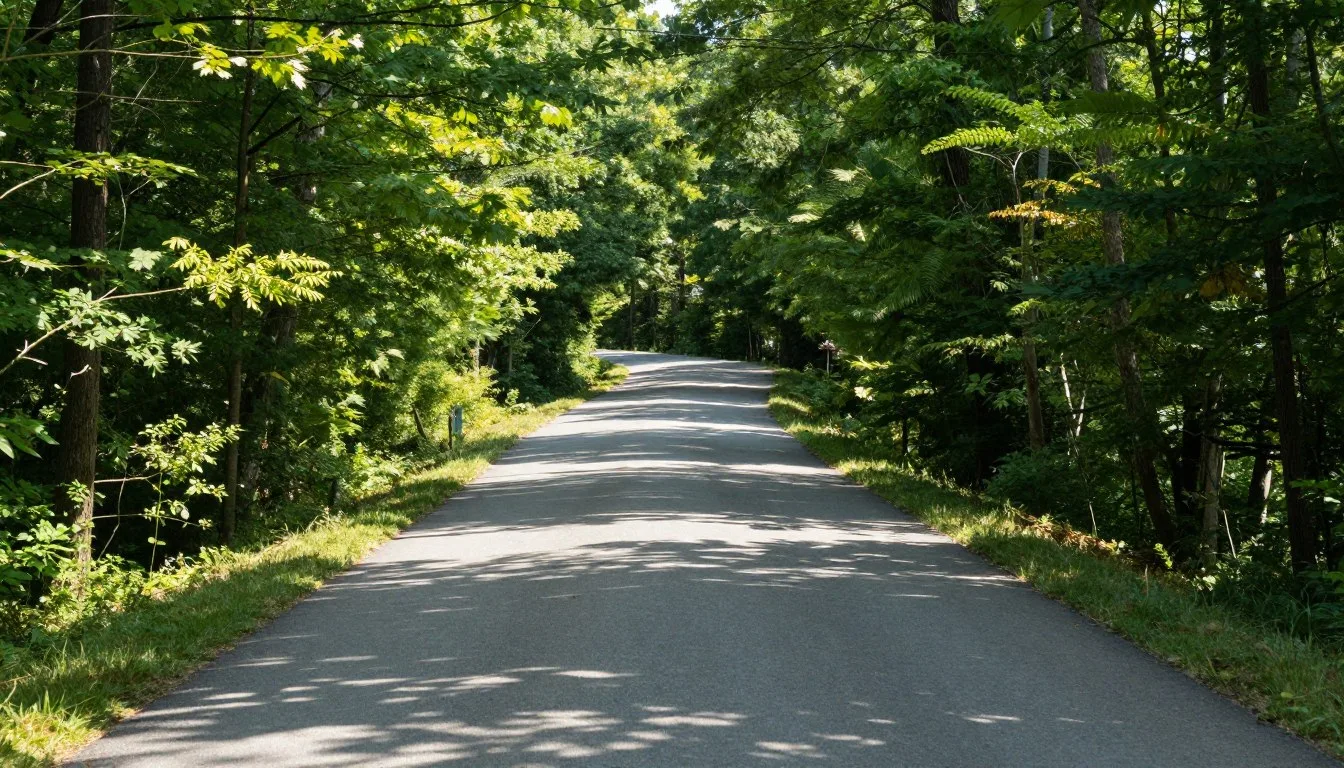
State Highway 111 serves as the main corridor through the region. This well-maintained road connects Cookeville and Sparta, with the cave area lying between these towns. Secondary roads leading to the cave entrance vary in condition. Some remain unpaved, particularly the final approach to the property. High-clearance vehicles handle these routes better, though standard cars can navigate them carefully during dry conditions.
Parking at the cave site is limited. Coordinate with your group to carpool when possible. Leave valuables secured in vehicles, as the remote location offers no security services.
Cell phone coverage in the area proves spotty at best. Download offline maps before arriving. Carry physical maps as backup. The Tennessee Atlas and Gazetteer provides excellent detail for rural roads.
Gas stations become scarce outside Cookeville and Sparta. Fill your tank before heading to the cave. The nearest services sit about 16 kilometers (10 miles) from the cave entrance.
Where to Stay
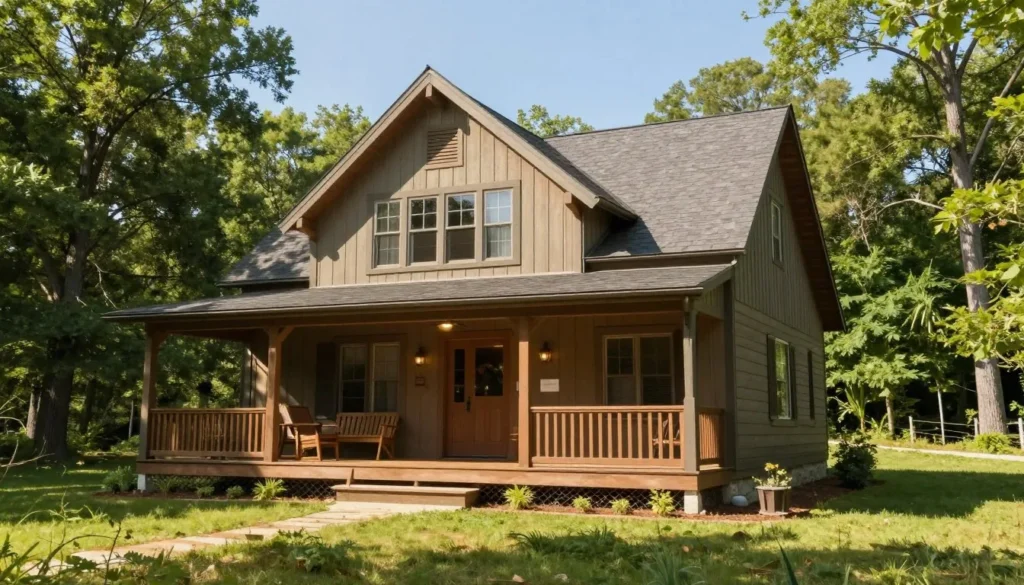
Accommodation options near Blue Spring Cave range from basic camping to comfortable hotels. Your choice depends on budget, comfort preferences, and trip duration.
Camping Options
Rock Island State Park, located 32 kilometers (20 miles) west, offers developed camping facilities with sites for tents and RVs. The park provides restrooms, showers, and picnic areas. Sites cost approximately $20 to $35 per night. Reservations are strongly recommended for weekend stays.
Some private landowners near the cave allow primitive camping with permission. These arrangements typically come through caving organizations. Facilities are minimal, requiring self-sufficiency. Always obtain explicit permission before camping on private property.
Budget Accommodations
Sparta and Cookeville host several chain motels offering clean, basic rooms. Expect rates between $65 and $90 per night. These properties provide convenient bases for cave exploration while keeping costs reasonable. Most include breakfast and wi-fi.
Mid-Range and Comfort Stays
Cookeville features newer hotels with enhanced amenities. Properties include indoor pools, fitness centers, and business facilities. Rates run $95 to $140 per night. These hotels suit families and visitors wanting more comfort after a day underground.
Several bed and breakfast establishments operate in Sparta and surrounding areas. These provide personalized service and home-cooked meals. Prices range from $110 to $160 per night. Book well ahead, as room counts remain small.
Vacation Rentals
Private cabins and houses available through rental platforms offer excellent options for groups. These properties sleep four to eight people and include full kitchens. Daily rates span $150 to $275, making them cost-effective when split among several travelers. Many properties sit in scenic locations, providing peaceful retreats after caving adventures.
Dining & Local Cuisine

The dining scene around Blue Spring Cave reflects authentic Tennessee culture. Expect hearty portions, friendly service, and reasonable prices throughout the region.
Local Specialties
Traditional Southern cuisine dominates local menus. Country-fried steak, fried catfish, barbecue, and homestyle vegetables appear frequently. Biscuits and gravy make breakfast a serious meal. Sweet tea flows freely. These dishes provide the calories needed after hours of crawling through cave passages.
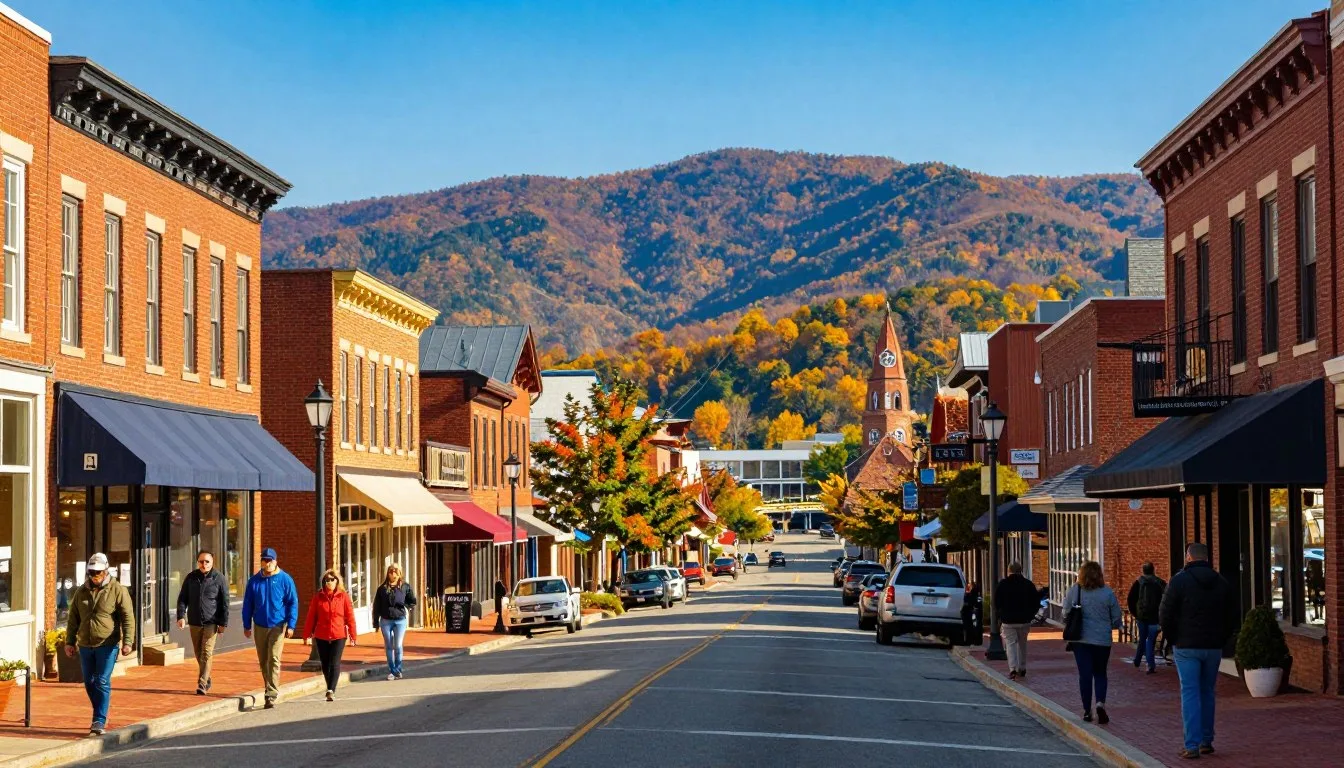
Sparta’s downtown area offers several family-owned restaurants serving classic Tennessee fare. Most establishments open early for breakfast and close by 8 PM. Sunday hours may be limited, with some restaurants closed entirely.
Cookeville provides more dining variety due to its larger size. Chain restaurants line the commercial strips, but seek out local spots for authentic experiences. Several barbecue joints smoke meat daily. Meat-and-three establishments let you choose one meat and three vegetables for reasonable prices, typically $9 to $14.
Quick Options for Cavers
Pack lunches for cave days. No food services exist near the cave entrance. Coolers kept in vehicles preserve food safely. Local grocery stores in Sparta and Cookeville stock everything needed for trail lunches.
Several gas stations near Highway 111 serve hot breakfast and lunch items. Quality varies, but these options work when time is short. Expect simple fare like biscuits, hot dogs, and fried chicken.
Dietary Considerations
Vegetarian options remain limited in this rural area. Most restaurants offer salads and vegetable plates, but purely vegetarian establishments don’t exist. Vegan choices prove even scarcer. Visitors with dietary restrictions should plan accordingly, potentially shopping at grocery stores and preparing their own meals.
Attractions, Sightseeing & Activities
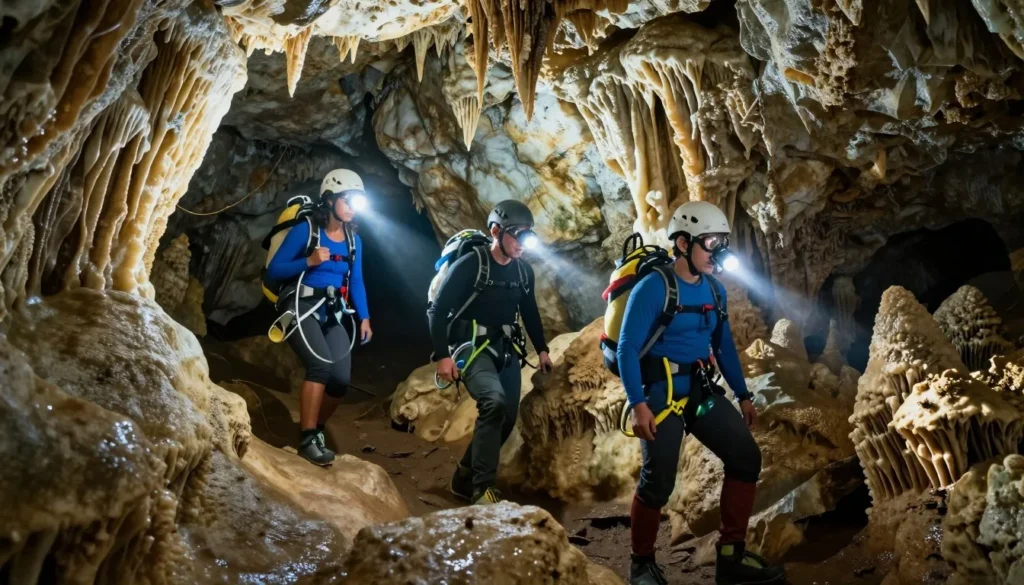
Blue Spring Cave itself provides the primary attraction, but the surrounding area offers additional activities to round out your visit.
Exploring Blue Spring Cave
The cave system extends over 64 kilometers (40 miles) through multiple levels and passage types. First-time visitors should join organized trips led by experienced cavers. The cave features everything from walking passages to tight crawls requiring specialized techniques.
The entrance area, known as the Blue Spring itself, showcases the crystal-clear water that gives the cave its name. This spring produces thousands of liters of water daily, maintaining a constant flow year-round. The water’s blue tint results from light interaction with dissolved minerals.
Beyond the entrance, passages branch in multiple directions. The main corridor leads to significant junctions where cavers must choose routes. Mega Junction serves as a central hub where several major passages converge. Experienced cavers use this landmark for navigation throughout the cave system.
Gypsum formations decorate many passages, creating delicate white crystals that contrast beautifully with dark limestone walls. These fragile features require careful protection. Stay on established routes and avoid touching formations whenever possible.
Some areas feature breakdown rooms where ceiling collapses created large chambers filled with boulders. These sections require scrambling skills and careful foot placement. Other passages remain tight, demanding crawling for extended periods. The Long Crawl section challenges even experienced cavers with its sustained low ceiling spanning hundreds of meters.
Water passages appear throughout the cave system. Some require wading through streams, while others involve more serious water obstacles. Check current conditions before attempting water sections, as levels fluctuate significantly based on recent rainfall.
Other Area Caves
White County contains numerous other cave systems worth exploring. Many require similar permission processes and caving experience. Local grottos can provide information about additional caves suitable for your skill level.
Surface Activities
Rock Island State Park offers hiking trails, waterfalls, and swimming areas. The park’s Blue Hole provides a popular swimming spot during summer months. Trails range from easy walks to moderate hikes.
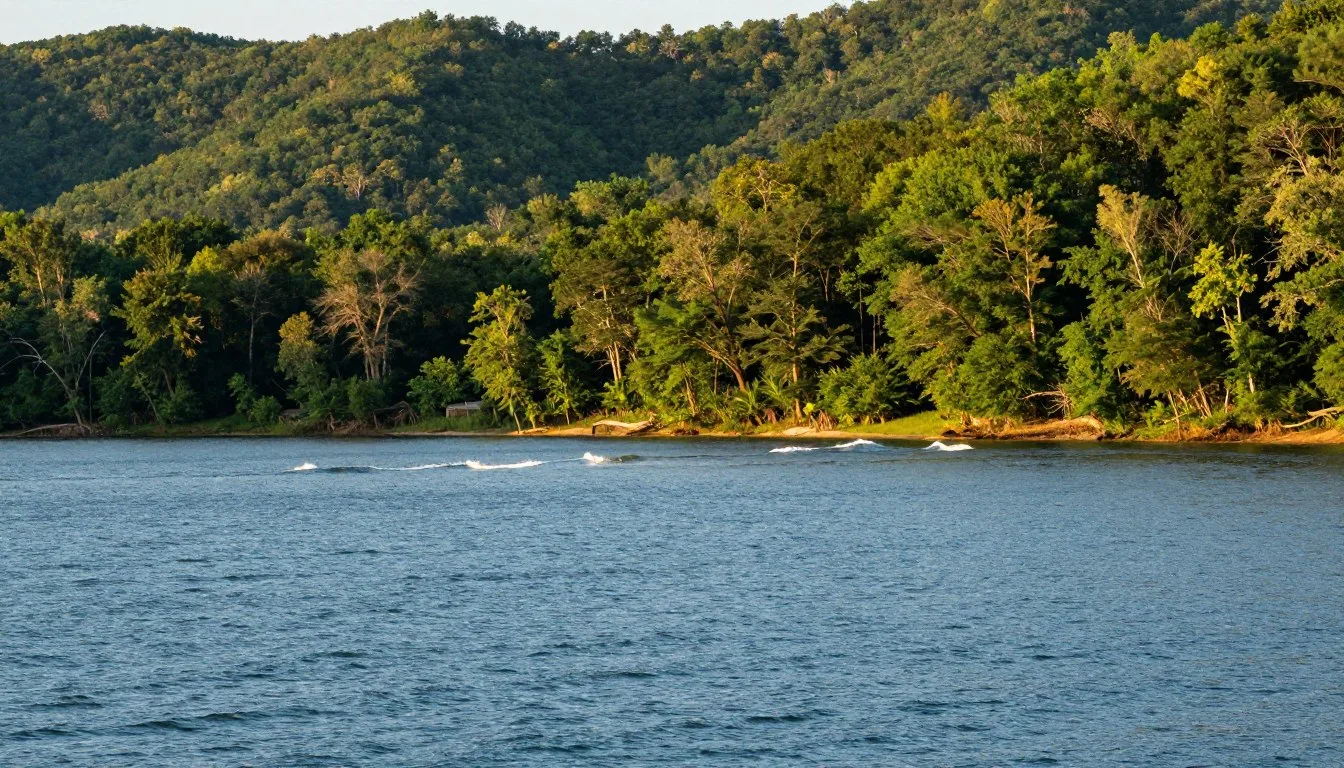
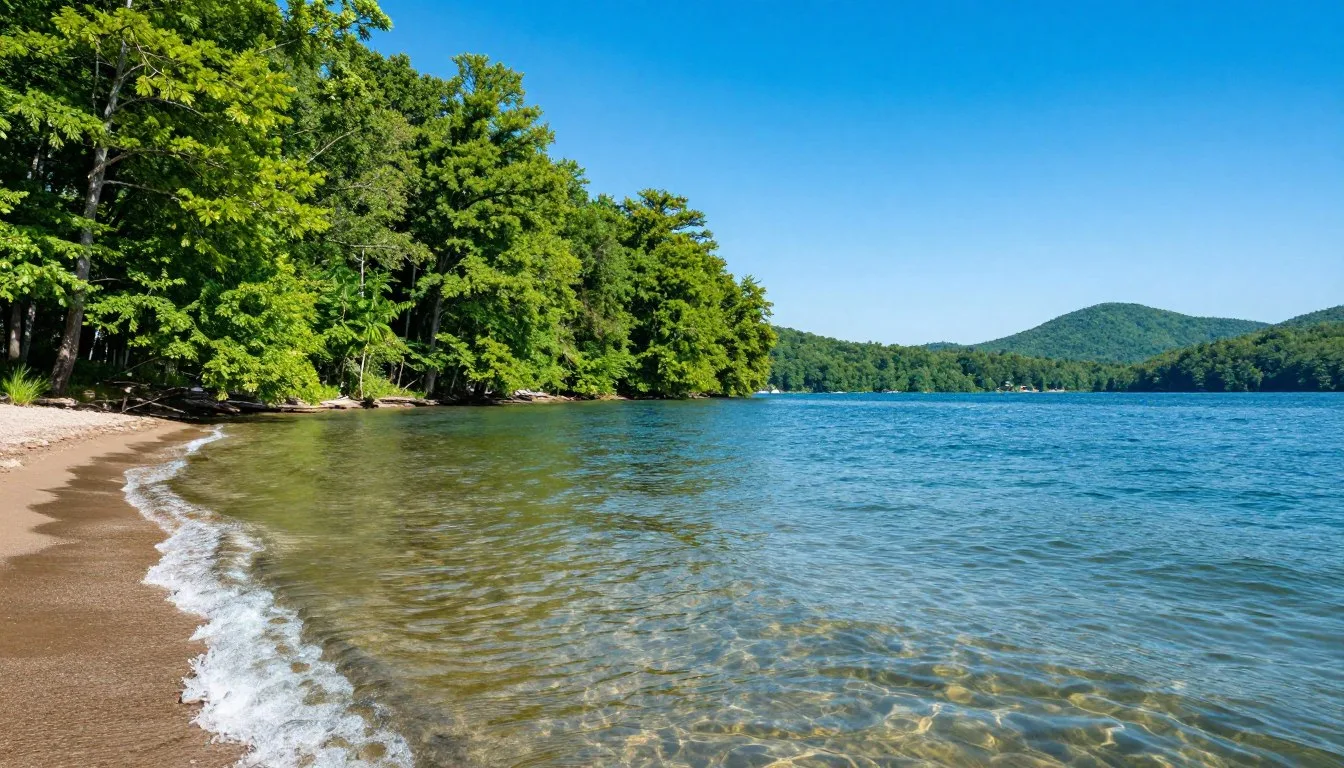
Center Hill Lake, a large reservoir created by a dam, offers water recreation opportunities. Boating, fishing, and swimming attract visitors year-round. Several marinas rent boats and provide lake access.
Museums, Cultural Spots & Festivals
The region’s cultural offerings reflect its rural heritage and natural history. While not extensive, several spots provide insight into local character.
Appalachian Center for Craft
Located in Smithville, about 40 kilometers (25 miles) from the cave area, this craft school showcases traditional and contemporary craft work. The gallery displays pottery, woodworking, fiber arts, and metalwork. Admission is free. The center also offers workshops for those interested in learning traditional skills.
White County Heritage Museum
Situated in Sparta, this small museum preserves local history through artifacts, photographs, and documents. Exhibits cover early settlement, agriculture, and daily life in rural Tennessee. The museum operates limited hours, typically weekday afternoons. Call ahead to verify opening times.
Local Music Scene
Traditional bluegrass and country music remain important to regional culture. Several venues in Cookeville host live music on weekends. Check local event listings for current schedules. These informal performances provide authentic glimpses into Tennessee’s musical heritage.
Nature & Outdoor Experiences
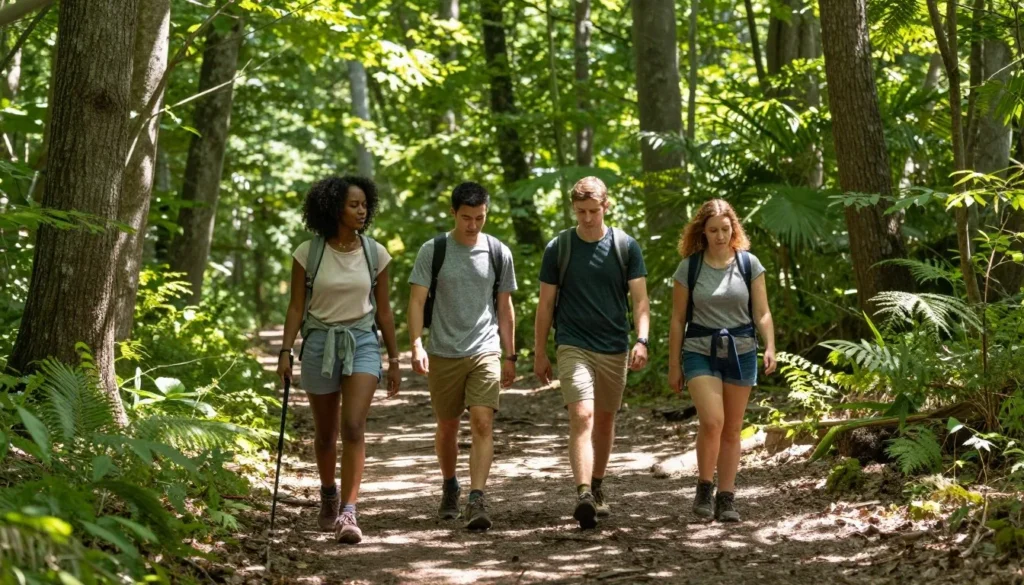
Beyond caving, the White County area provides excellent opportunities for outdoor recreation across different interests and skill levels.
Hiking Opportunities
Rock Island State Park maintains several trails showcasing the region’s natural beauty. The Twin Falls Trail, rated moderate, leads to spectacular waterfalls after a 1.6-kilometer (1-mile) walk. The trail descends through hardwood forest, offering shade during summer months.
Virgin Falls State Natural Area, located about 48 kilometers (30 miles) south, features a challenging 13-kilometer (8-mile) round-trip hike to a unique waterfall that emerges from a cave, drops 32 meters (105 feet), then disappears into another cave. This strenuous hike requires good fitness and takes most hikers five to seven hours to complete.
Water Activities
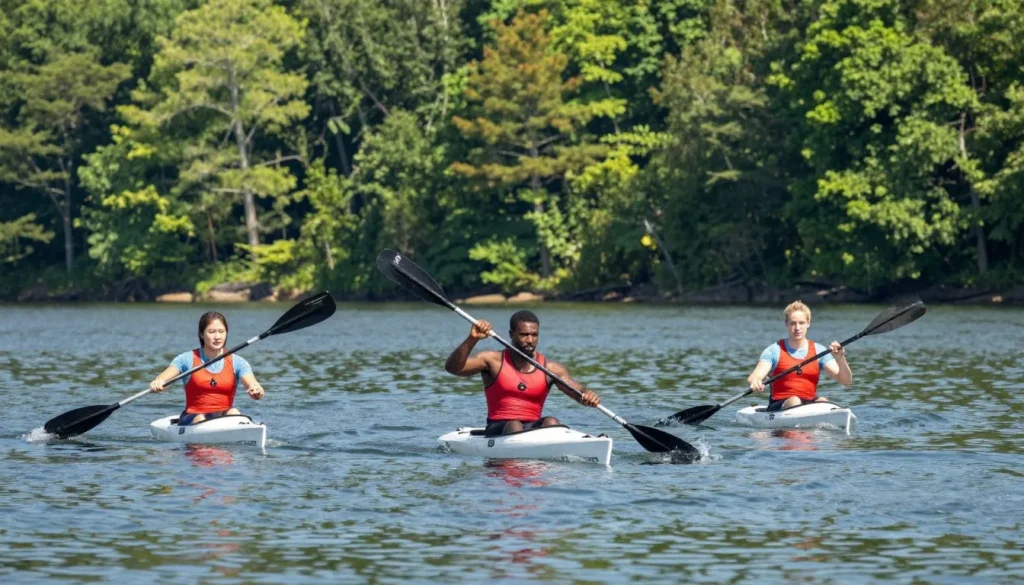
Center Hill Lake provides extensive water recreation. The reservoir covers 7,487 hectares (18,500 acres) when at full pool, offering ample room for boating and fishing. Several public access points allow launching kayaks and canoes. Paddlers can explore quiet coves away from motorboat traffic.
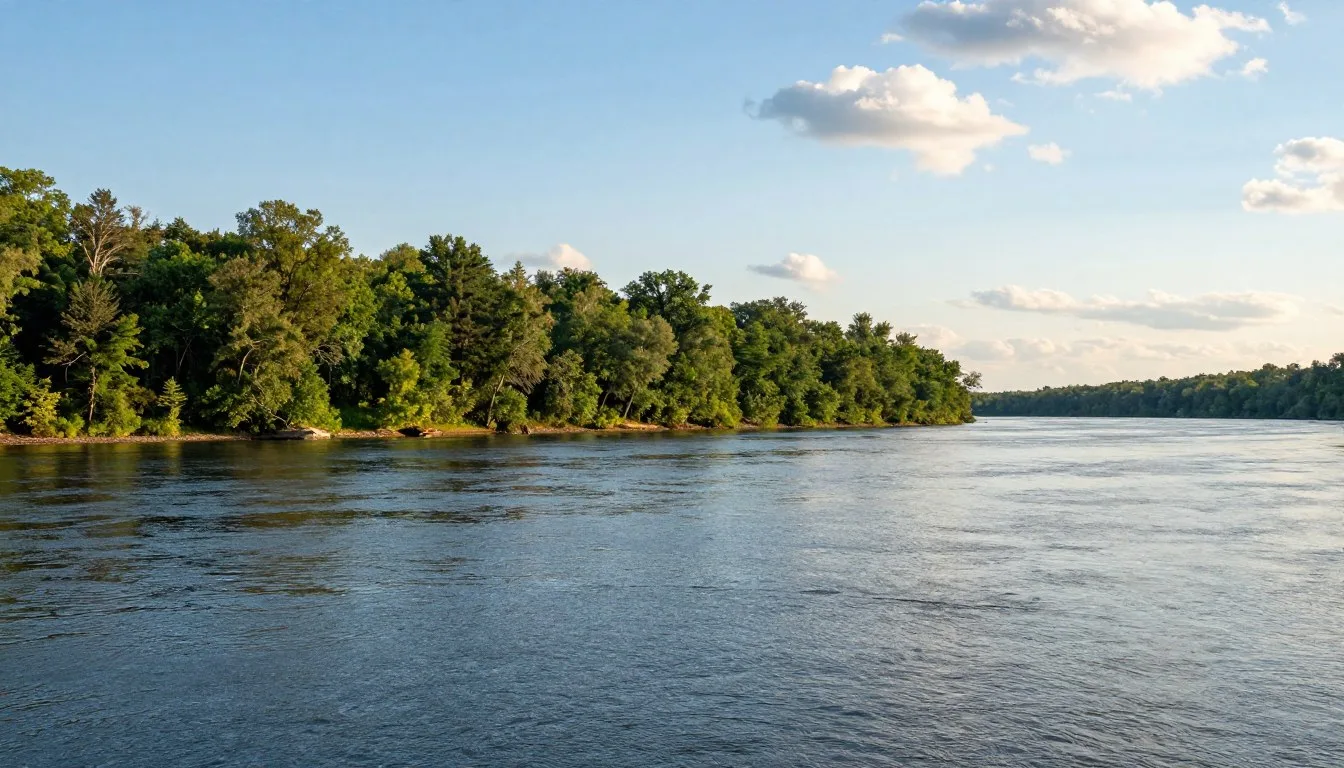
The Caney Fork River flows below Center Hill Dam, creating excellent conditions for trout fishing. This tailwater fishery attracts anglers pursuing rainbow and brown trout. Wade fishing and float trips both work well on this stretch.
Wildlife Watching
The forests around Blue Spring Cave support diverse wildlife. White-tailed deer appear frequently, especially during early morning and evening hours. Wild turkeys roam wooded areas. Numerous songbird species inhabit the region, with spring and fall migrations bringing additional variety.
Inside the cave, observers might spot several bat species. These important animals face threats from white-nose syndrome, making their protection critical. Never disturb roosting bats, and follow all decontamination protocols to prevent disease spread between cave systems.
Travel With Children

Blue Spring Cave presents challenges for young children due to its difficult passages and remote location. However, the surrounding area offers family-friendly alternatives.
Age Considerations for Caving
Children under twelve generally lack the strength and endurance for serious caving in Blue Spring Cave. The long crawls, challenging passages, and extended time underground exceed most younger children’s capabilities. Teenagers with good fitness levels can participate if properly equipped and supervised.
Consider commercial cave tours as alternatives for families with young children. Cumberland Caverns, located about 97 kilometers (60 miles) southwest, offers guided walking tours suitable for ages six and up. These developed caves provide safe, accessible underground experiences without requiring caving skills.
Family-Friendly Area Activities
Rock Island State Park welcomes families with easy trails, picnic areas, and swimming spots. The Blue Hole swimming area provides safe, supervised recreation during summer. Lifeguards monitor the area during peak season.
Center Hill Lake offers family boating and fishing opportunities. Several marinas rent pontoon boats, perfect for leisurely lake exploration with children. These stable craft provide safe platforms for fishing and sightseeing.
The Appalachian Center for Craft offers occasional family workshops where children can learn pottery, weaving, or other traditional crafts. Check their schedule for age-appropriate programs during your visit.
Safety Tips for Families
Pack extra snacks and water when hiking with children. Little legs tire faster, and frequent breaks help maintain good moods. Bring basic first aid supplies for inevitable scrapes and scratches.
Dress children in bright colors when exploring outdoor areas. This simple step makes them easier to spot in dense forest settings. Apply sunscreen and insect repellent before outdoor activities.
Money Saving Tips
Visiting Blue Spring Cave and the surrounding area doesn’t require excessive spending. Smart planning keeps costs manageable while ensuring a quality experience.
Accommodation Savings
Camping provides the most economical lodging option. State park campsites cost a fraction of hotel rates. Primitive camping on private land with permission costs nothing beyond the goodwill of obtaining access.
Vacation rentals become cost-effective when traveling with groups. A cabin sleeping six people costs less per person than individual hotel rooms. The included kitchen enables meal preparation, further reducing expenses.
Book accommodations on weekdays when rates typically drop. Many area hotels reduce prices Sunday through Thursday to attract business travelers.
Food and Dining Economy
Shop at local grocery stores rather than eating every meal at restaurants. Cookeville has several supermarkets with competitive pricing. Prepare breakfasts and lunches at your accommodation, then enjoy dinner at restaurants to experience local cuisine without overspending.
Look for meat-and-three restaurants offering complete meals for under $12. These establishments provide excellent value with generous portions.
Pack snacks and lunches for cave days. This necessity also represents significant savings, as you would otherwise need to return to town for meals.
Activity Cost Reduction
Blue Spring Cave itself costs nothing to visit beyond equipment expenses and any donations to conservation organizations managing access. Many outdoor activities in the area remain free or very low-cost.
State parks charge minimal day-use fees, typically $5 to $10 per vehicle. These fees grant access to trails, swimming areas, and picnic facilities for an entire day.
Join organized caving trips through grottos rather than hiring guides. Grotto membership fees prove minimal, usually $20 to $40 annually, and provide access to regular trips and mentorship from experienced cavers.
Transportation Efficiency
Carpool with other cavers to split fuel costs and reduce vehicle wear. Many caving organizations coordinate ride-sharing for trips.
Fill gas tanks in Cookeville or Sparta rather than at rural convenience stores where prices run higher. Plan routes to minimize unnecessary driving.
Safety, Etiquette & Local Customs

Caving Safety Essentials
Never cave alone. The standard rule requires groups of at least four people. This number ensures that if someone gets injured, one person can stay with the victim while two go for help. Blue Spring Cave’s remote location and complex passages make this rule especially important.
Carry three sources of light per person. Headlamps provide primary illumination, but backup lights prevent dangerous situations when batteries fail. LED lights offer reliability and long battery life. Bring extra batteries for all devices.
Wear appropriate clothing for underground environments. Cotton absorbs water and provides no insulation when wet. Choose synthetic materials or wool that maintain warmth even when damp. Long sleeves and pants protect skin from abrasions against rock.
Helmets are mandatory. Cave ceilings strike heads with painful regularity. Hard hats designed for climbing or industrial work provide adequate protection. Ensure proper fit before entering the cave.
Inform someone of your plans before entering the cave. Provide details about your intended route and expected return time. This information proves vital if rescue becomes necessary.
Turn back if you feel uncomfortable or tired. The cave will be there for another trip. Many accidents happen when cavers push beyond their limits or ignore warning signs.
Cave Conservation Ethics
The caving community follows Leave No Trace principles adapted for underground environments. Take nothing but photographs and memories. Leave nothing but footprints, and even those should be minimized.
Never break or remove formations. These features took thousands of years to develop. Single thoughtless acts destroy irreplaceable natural wonders. Even touching formations can halt their growth by depositing skin oils.
Stay on established routes when they exist. Wandering off-trail damages delicate floor formations and disturbs sediment containing paleontological or archaeological value.
Pack out everything you pack in. This includes food waste, which can alter cave ecosystems. Trash left underground remains visible for decades in the stable cave environment.
Respect gate and closure notices. Some cave sections close seasonally to protect bat populations. These closures serve critical conservation purposes.
Local Customs and Courtesy
Rural Tennessee operates at a slower pace than urban areas. Patience and friendliness go far in local interactions. Greet people you encounter, even strangers. This simple courtesy reflects regional culture.
Respect private property strictly. Much of the land around Blue Spring Cave belongs to private owners. Trespassing damages relationships between cavers and landowners, potentially closing access for everyone. Always obtain explicit permission before entering private land.
Support local businesses when possible. Small-town economies depend on visitor spending. Patronizing locally owned restaurants and shops helps maintain the rural character that makes the area special.
Sunday remains important for church attendance in this region. Many businesses close or operate limited hours. Plan accordingly and respect local religious customs.
Visitor Comments About Blue Spring Cave
“The passages in Blue Spring Cave challenged me in ways I never expected. The Long Crawl tested my endurance, but reaching Mega Junction made every minute worthwhile. The formations near the entrance area took my breath away. This cave system deserves its reputation as one of Tennessee’s finest underground destinations. I’m already planning my return trip to explore passages I missed.”
“As someone new to caving, I appreciated the guidance from experienced cavers who showed me proper techniques. The blue-tinted water at the entrance lived up to its legendary beauty. The cave offers something for everyone, from walking passages to serious crawls. I spent an entire day underground and barely scratched the surface of what this system contains. Joining a local grotto made accessing the cave straightforward and safe.”
“Blue Spring Cave exceeded all my expectations. The variety of passage types keeps exploration interesting for hours. We encountered beautiful gypsum formations, challenging breakdown areas, and fascinating geological features throughout our trip. The remote location ensures the cave remains pristine and uncrowded. Proper preparation and respect for conservation guidelines made our visit both safe and memorable.”
Additional Nearby Destinations
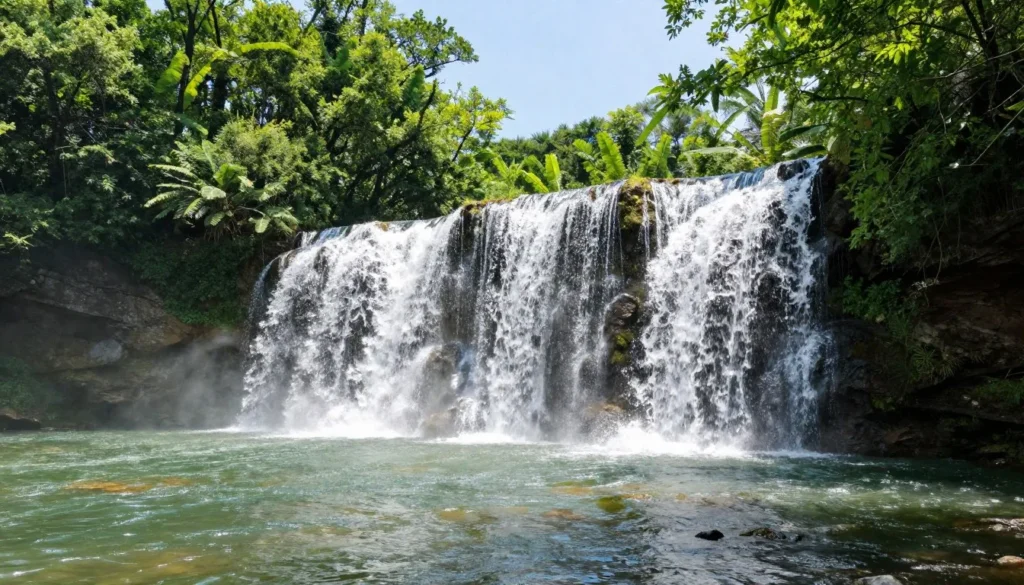
The White County area serves as a base for exploring additional Tennessee attractions within reasonable driving distances.
Fall Creek Falls State Park
Located 56 kilometers (35 miles) south, this park protects Tennessee’s highest waterfall at 78 meters (256 feet). The park offers extensive hiking trails, camping facilities, and scenic overlooks. Plan a full day to experience the park’s highlights properly.
Cumberland Caverns
These commercial caves sit 97 kilometers (60 miles) southwest in McMinnville. Guided tours showcase massive rooms, unique formations, and underground waterfalls. The Bluegrass Underground concert series held inside the cave creates a one-of-a-kind entertainment experience.
Burgess Falls State Park
This park lies 35 kilometers (22 miles) west of Cookeville. The easy trail follows the Falling Water River to a series of cascades culminating in a beautiful 41-meter (134-foot) waterfall. The short hike makes this an excellent option when time is limited.
Nashville
Tennessee’s capital sits 113 kilometers (70 miles) west. Music venues, museums, and restaurants make Nashville worth a day trip or extended stay. The city offers a complete contrast to the rural cave area, providing cultural variety to your Tennessee visit.
Great Smoky Mountains National Park
America’s most visited national park lies approximately 241 kilometers (150 miles) east. While not a day trip, those spending a week in Tennessee should consider adding the Smokies to their itinerary. The park’s mountains, forests, and wildlife represent Tennessee’s natural heritage at its finest.
Practical Travel Tips
These additional suggestions help ensure smooth travels in the Blue Spring Cave area.
Communication and Connectivity
Cell phone service remains unreliable throughout much of White County. Download maps, directions, and any needed information before leaving urban areas. Inform family or friends of your general location and expected return, as you may be out of contact for extended periods.
Wi-fi availability varies. Hotels typically provide internet access, but speeds may disappoint those accustomed to high-bandwidth connections. Plan accordingly if you need to work remotely or stay connected.
Medical and Emergency Services
Cookeville Regional Medical Center provides the nearest full-service hospital, located about 29 kilometers (18 miles) from the cave area. For emergencies, call 911. Response times in rural areas exceed urban standards due to distance and terrain.
Carry a basic first aid kit when caving or hiking. Common injuries include cuts, scrapes, and twisted ankles. Being prepared to handle minor issues prevents small problems from becoming serious ones.
Equipment and Supplies
Purchase or rent specialized caving equipment before arriving. Local stores stock basic camping and outdoor gear but not cave-specific items. Order helmets, lights, and technical equipment from online retailers or specialty shops in larger cities.
Bring all necessary medications and personal items. Rural pharmacies may not stock specialized prescriptions. Plan ahead to avoid shortages.
Weather Monitoring
Check weather forecasts regularly when planning cave trips. The National Weather Service provides detailed forecasts for White County. Pay special attention to rainfall predictions, as heavy rain makes caving dangerous.
Spring and fall bring increased severe weather potential to Tennessee. Tornadoes occasionally affect the region. Familiarize yourself with tornado safety procedures and identify shelter locations at your accommodation.
Access and Permissions
Securing cave access requires advance planning. Contact the Southeastern Cave Conservancy or local grottos well before your visit. Some peak periods see high demand, potentially limiting available trip slots.
Respect all access requirements and restrictions. Following rules maintains positive relationships between cavers and landowners, ensuring continued access for future visitors.
Location Map
Your Underground Adventure Awaits

Blue Spring Cave stands ready to challenge and inspire you with its 64 kilometers of passages, stunning formations, and diverse underground landscapes. From the brilliant blue water at the entrance to the remote passages deep within the system, every visit offers new discoveries and memorable experiences.
The surrounding White County region enhances any cave-focused trip with beautiful surface scenery, welcoming communities, and additional outdoor recreation opportunities. Whether you spend a weekend or a full week exploring, this corner of Tennessee rewards visitors with authentic experiences far from tourist crowds.
Proper preparation, respect for conservation principles, and attention to safety transform a cave visit into an adventure you’ll remember for years. The underground world awaits those willing to crawl, climb, and explore its hidden wonders. Start planning your Blue Spring Cave expedition today, and discover why generations of cavers return to this remarkable Tennessee treasure again and again.