Hotels by Trip.com
Flights by Trip.com
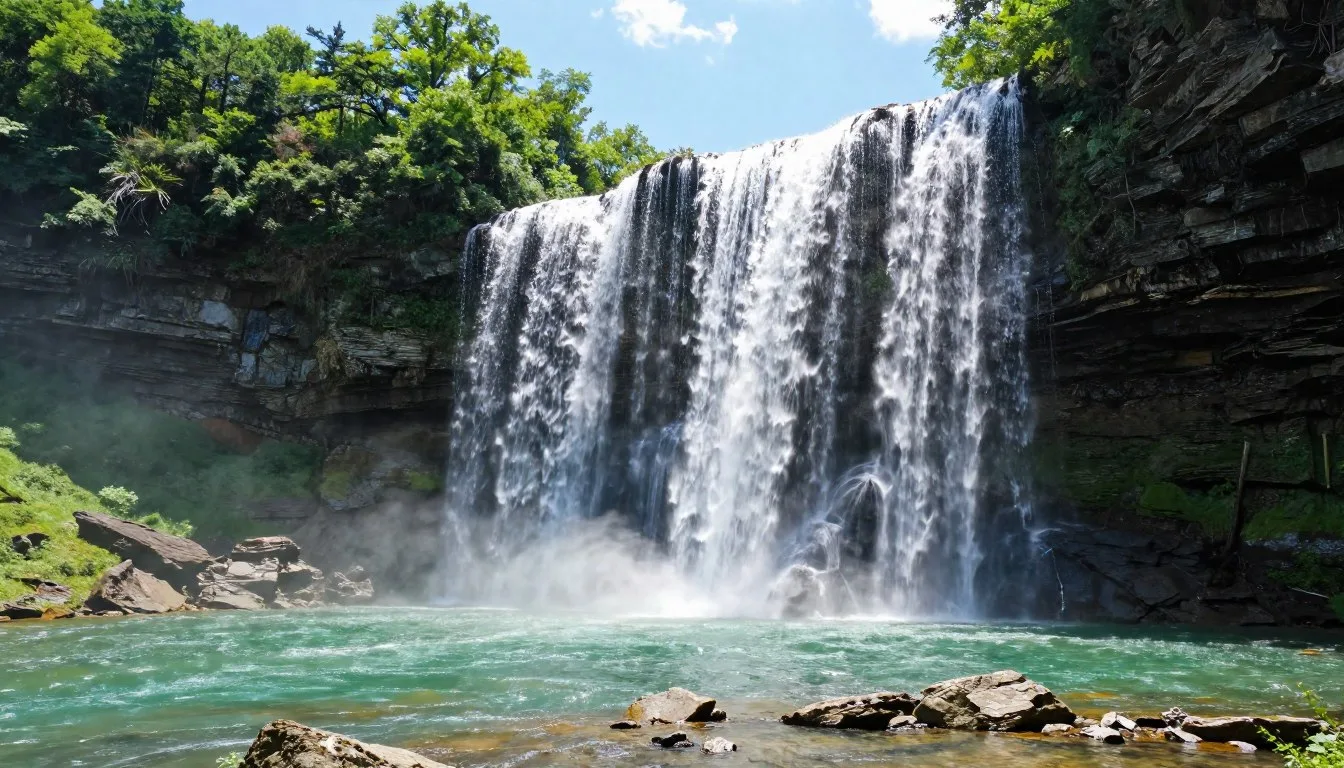
Over 200,000 visitors journey to Burgess Falls State Park each year to witness one of Tennessee’s most spectacular natural displays. This 217-acre gem features four distinct waterfalls along the Falling Water River, with the main cascade plunging an impressive 41 meters (136 feet) into a stunning gorge below.
The falls take their name from Tom Burges, an early settler who operated a mill at the site in the 1800s. Today, this natural area showcases the raw power of water that once drove hydroelectric power generation for the region.
Whether you’re seeking challenging hiking trails, family-friendly nature walks, or simply breathtaking waterfall views, Burgess Falls delivers an unforgettable Tennessee experience. The park combines accessibility with natural beauty, making it perfect for both seasoned adventurers and first-time visitors.
Getting There & Planning Your Journey
Burgess Falls State Park sits in Sparta, Tennessee, approximately 120 kilometers (75 miles) east of Nashville. The park’s central location makes it accessible from multiple major cities across Tennessee and neighboring states.
Closest Airports
Nashville International Airport (BNA) serves as the primary gateway, located 129 kilometers (80 miles) west of the park. This airport offers extensive domestic and international connections. Alternatively, McGhee Tyson Airport (TYS) in Knoxville sits 161 kilometers (100 miles) east.
From Nashville, take Interstate 40 East to Highway 111 North. The drive takes approximately 90 minutes through scenic Middle Tennessee countryside. Clear signage directs visitors to the park entrance off Burgess Falls Road.
Driving Directions
From Cookeville, travel south on Highway 135 for about 16 kilometers (10 miles). The route passes through rural farmland before reaching the park entrance. Ample parking accommodates visitors, though the parking lot fills quickly on weekends during peak season.
GPS coordinates for the main parking area are 36.0447° N, 85.6497° W. Cell phone service remains reliable throughout most of the park, though some trail sections experience spotty coverage.
Best Time to Visit & Weather Tips
Burgess Falls State Park welcomes visitors year-round, but timing significantly impacts your experience. Each season offers distinct advantages for exploring this Tennessee state natural area.
Recommended Visiting Seasons
Spring (March through May) brings peak water flow as winter snowmelt and spring rains swell the Falling Water River. The four waterfalls display maximum power during these months. Temperatures range from 10°C to 24°C (50°F to 75°F), perfect for hiking.
Fall (September through November) rivals spring in popularity. Autumn foliage transforms the forest into brilliant reds, oranges, and golds. Comfortable temperatures between 13°C and 24°C (55°F and 75°F) make hiking trails particularly enjoyable. Water levels remain adequate for impressive waterfall displays.
Early mornings offer the best lighting for photography and fewer crowds. Arrive before 9:00 AM to secure parking lot spaces and enjoy peaceful trail experiences.
Seasons to Approach with Caution
Summer months (June through August) bring intense heat and humidity. Temperatures frequently exceed 32°C (90°F), making strenuous hikes challenging. The River Trail becomes particularly demanding in summer heat. However, swimming remains prohibited at all times due to dangerous currents.
Winter (December through February) sees reduced water flow and occasional trail closures due to ice. Temperatures drop to -1°C to 10°C (30°F to 50°F). Some visitors appreciate the solitude and unique frozen waterfall formations, but proper cold-weather gear becomes essential.
Spring & Fall Advantages
- Optimal waterfall flow and visibility
- Comfortable hiking temperatures
- Stunning seasonal foliage displays
- Lower humidity levels
- Excellent photography conditions
Summer & Winter Considerations
- Extreme temperature challenges
- Reduced water flow in late summer
- Crowded parking areas and trails
- Potential ice hazards in winter
- Limited accessibility during storms
Weather Preparation Tips
Tennessee weather changes rapidly. Pack layers regardless of season. Waterproof jackets protect against sudden rain showers common throughout the year. Sturdy hiking boots with excellent traction prove essential, as trail surfaces become slippery near the base of falls.
Check local weather forecasts before departing. Heavy rainfall can cause flash flooding along the Falling Water River, making trails temporarily dangerous. Park officials close areas when conditions warrant.
Notable Annual Festivals
While Burgess Falls State Park itself doesn’t host major festivals on-site, the surrounding area celebrates Tennessee’s natural beauty and cultural heritage throughout the year.
Sparta’s Autumn Street Festival
This September celebration in nearby Sparta showcases local crafts, music, and Tennessee cuisine. The festival takes place just 16 kilometers (10 miles) from the park, making it perfect for combining cultural experiences with nature exploration.
Cookeville’s Dogwood Festival
Held each April in Cookeville, this springtime event celebrates blooming dogwood trees throughout the region. Activities include arts and crafts vendors, live entertainment, and family activities. The festival sits approximately 24 kilometers (15 miles) from Burgess Falls.
Visitors planning trips around these events should book accommodations early, as area hotels fill quickly during festival weekends. Combining festival attendance with park visits creates memorable Tennessee experiences.
Getting Around Locally
Personal vehicles provide the most practical transportation for exploring Burgess Falls and surrounding areas. Public transportation options remain extremely limited in this rural region of Tennessee.
The park’s compact size means most visitors park once and explore on foot. The main parking lot accommodates approximately 50 vehicles. Overflow parking exists but requires a short walk to trailheads. Arrive early during peak seasons to secure convenient parking lot spaces.
Trail Navigation
Well-marked hiking trails connect the parking area to all four waterfalls. The easy Upper Trail leads to overlook platforms, while the more challenging River Trail descends to the base of falls. Clear signage prevents navigation issues, though downloading offline maps provides backup in areas with limited cell service.
Bicycles are not permitted on park trails due to steep terrain and narrow pathways. The surrounding area offers rural roads suitable for road cycling, though dedicated bike lanes don’t exist.
Where to Stay
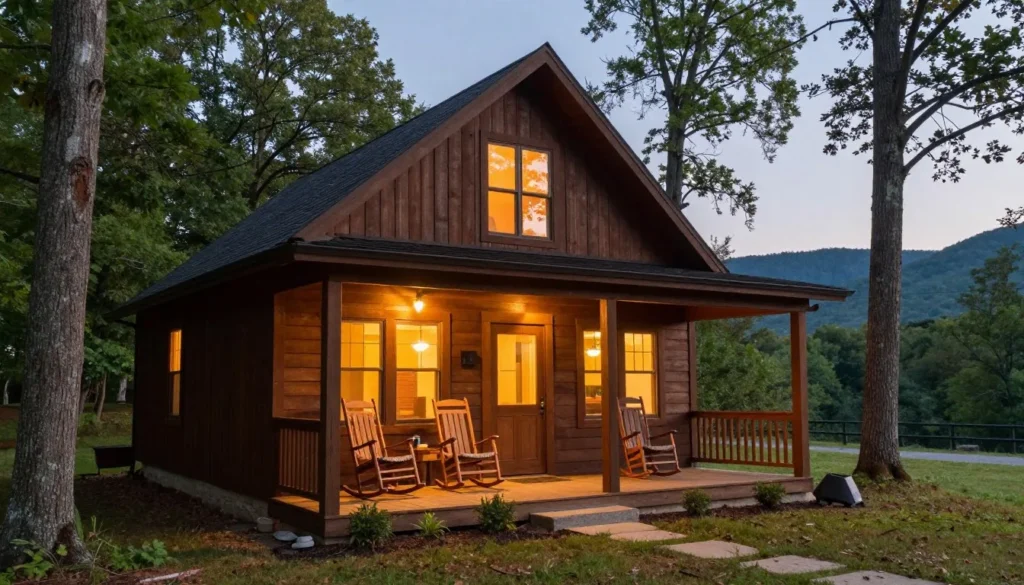
Burgess Falls State Park doesn’t offer overnight camping or lodging within park boundaries. However, excellent accommodation options exist in nearby communities, ranging from budget-friendly motels to upscale bed and breakfasts.
Cookeville Accommodations
Cookeville, located 24 kilometers (15 miles) north, provides the widest lodging selection. Chain hotels line Interstate 40, offering reliable amenities and competitive rates. These properties work well for families and budget-conscious travelers seeking familiar brands.
Downtown Cookeville features locally-owned bed and breakfasts with distinctive character. These smaller properties provide personalized service and often include homemade breakfasts featuring Tennessee specialties.
Sparta Lodging Options
Sparta sits just 16 kilometers (10 miles) from the park entrance. This smaller town offers fewer accommodations but places visitors closer to morning trailhead access. Several motels provide basic, clean rooms at affordable rates.
Vacation rental cabins dot the countryside between Sparta and the park. These private homes offer full kitchens, multiple bedrooms, and peaceful natural settings. Families and groups find these rentals cost-effective for extended stays.
Camping Alternatives
Rock Island State Park, located 32 kilometers (20 miles) southwest, offers developed camping facilities. Edgar Evins State Park, 40 kilometers (25 miles) northwest, provides both tent and RV camping along Center Hill Lake. These state parks extend outdoor experiences beyond day visits to Burgess Falls.
Dining & Local Cuisine
The Burgess Falls area reflects authentic Middle Tennessee food culture, emphasizing Southern comfort foods, barbecue, and home-style cooking. No dining facilities operate within the park itself, so visitors should plan meals in nearby towns.
Cookeville Dining Scene
Cookeville offers diverse dining options from fast food to locally-owned restaurants. Southern barbecue joints serve slow-smoked meats with classic sides like coleslaw, baked beans, and cornbread. These establishments showcase Tennessee’s proud barbecue traditions.
Downtown Cookeville features family restaurants serving plate lunches, a Southern tradition offering meat-and-three-vegetable combinations. Fried chicken, meatloaf, and country-fried steak appear frequently, accompanied by green beans, mashed potatoes, and macaroni and cheese.
Local Specialties
Tennessee hot chicken has gained national recognition, though local versions tend toward milder spice levels than Nashville’s famous version. Biscuits and gravy appear on most breakfast menus, featuring fluffy buttermilk biscuits smothered in sausage gravy.
Sweet tea, served ice-cold and heavily sweetened, remains the regional beverage of choice. Most restaurants offer both sweet and unsweet versions, though visitors should specify preferences when ordering.
Sparta Options
Sparta provides fewer dining choices but captures small-town Tennessee charm. Local diners serve generous portions at reasonable prices. Breakfast options often include country ham, a salt-cured specialty that tastes distinctly different from standard ham.
Pack picnic supplies from local grocery stores for meals at the park. Shaded picnic areas near the parking lot provide pleasant lunch spots, though visitors must pack out all trash to protect this natural area.
Attractions, Sightseeing & Activities
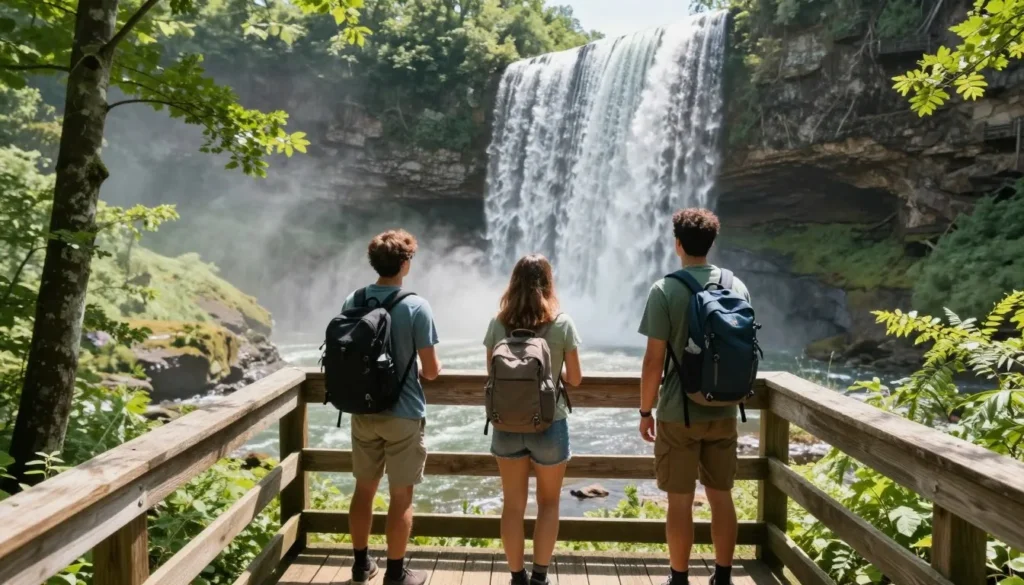
Burgess Falls State Park centers on four spectacular waterfalls cascading along the Falling Water River. These natural features create the park’s primary attractions, though additional activities enhance visitor experiences.
The Four Waterfalls
The waterfall sequence begins upstream and grows progressively more dramatic. The first three falls remain visible from overlook points along the Upper Trail, an easy path suitable for most fitness levels. These cascades range from 3 to 6 meters (10 to 20 feet) in height.
The main Burgess Falls represents the spectacular finale. This 41-meter (136-foot) cascade plunges into a deep pool surrounded by towering rock walls. The falls create a natural amphitheater effect, with water’s roar echoing off limestone cliffs.
Overlook Platforms
Multiple observation decks provide safe viewing points. The upper overlook offers a bird’s-eye perspective of the main falls and gorge. This platform remains accessible via the easier trail and accommodates wheelchairs, though some sections involve moderate slopes.
Photographers find excellent compositions from all overlook points. Morning light illuminates the falls beautifully, while afternoon sun creates dramatic shadows in the gorge. Mist from the base of falls adds ethereal qualities to images.
Window Cliffs State Natural Area
This adjacent 130-hectare (321-acre) natural area extends exploration opportunities. Window Cliffs features unique geological formations, including a natural arch that frames distant views. The area connects to Burgess Falls via short hiking trails, allowing visitors to experience both areas in one visit.
Nature & Outdoor Experiences
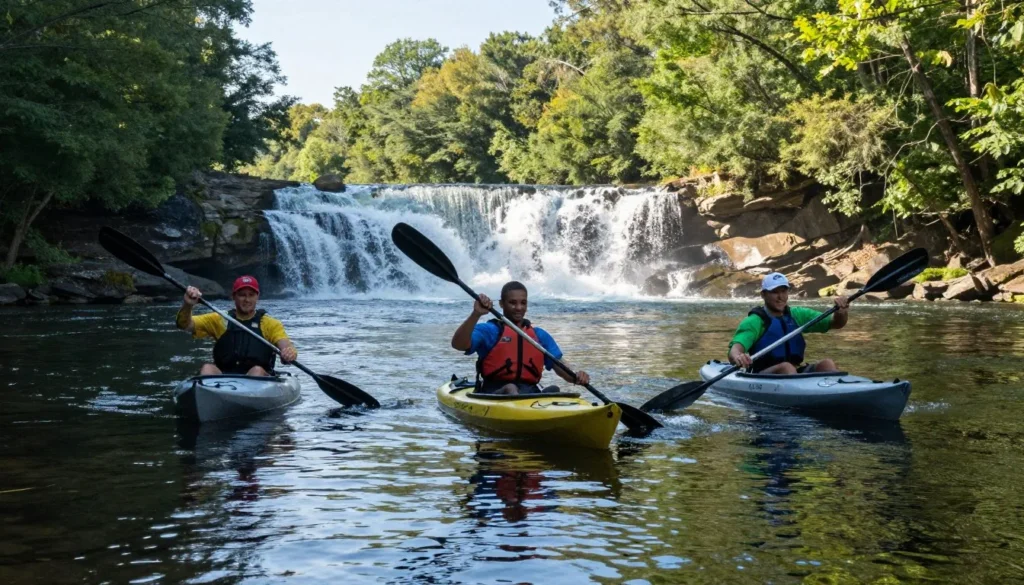
Burgess Falls State Park offers exceptional opportunities for connecting with Tennessee’s natural environment. The diverse landscape supports hiking, wildlife observation, and water-based activities beyond the park boundaries.
Hiking Trails
Two primary hiking trails serve different fitness levels and time commitments. The Upper Trail covers approximately 1.6 kilometers (1 mile) round trip with minimal elevation change. This path leads to overlooks of all four waterfalls and typically requires 30 to 45 minutes.
The River Trail presents a more challenging option. This 2.4-kilometer (1.5-mile) round trip descends steeply to the base of the main falls. The descent involves approximately 152 meters (500 feet) of elevation change over rocky, sometimes slippery terrain. The return climb proves strenuous, particularly in warm weather.
Trail conditions vary seasonally. Spring rains can create muddy sections, while fallen leaves in autumn obscure roots and rocks. Proper footwear with aggressive tread patterns prevents slips, especially near waterfall areas where mist creates perpetually damp conditions.
Wildlife Watching
The park’s forests support diverse wildlife populations. White-tailed deer frequently appear near trails during early morning and evening hours. Eastern box turtles cross pathways during warmer months, requiring careful foot placement to avoid disturbing these protected reptiles.
Birdwatchers identify numerous species throughout the year. Great blue herons hunt along the river, while belted kingfishers dive for small fish. Spring migration brings colorful warblers, while winter visitors include various waterfowl species.
Water Activities
While swimming remains prohibited within Burgess Falls State Park due to dangerous currents and rocky conditions, the Falling Water River upstream offers kayaking opportunities. Launch points exist several kilometers above the falls, providing peaceful paddling through forested areas.
Kayakers must remain alert for river conditions and never approach waterfall areas. The river’s power becomes deceptive, with strong currents developing as water approaches each cascade. Local outfitters in nearby communities provide kayak rentals and safety briefings.
Photography Opportunities
The park attracts photographers year-round. Long-exposure techniques capture flowing water’s silky appearance. Polarizing filters reduce glare from wet rocks and enhance foliage colors. Tripods prove essential for low-light conditions within the shaded gorge.
Seasonal changes transform the landscape dramatically. Spring wildflowers dot the forest floor, while autumn leaves create spectacular color contrasts against dark rock faces and white water. Winter ice formations add unique elements rarely seen in warmer months.
Travel With Children
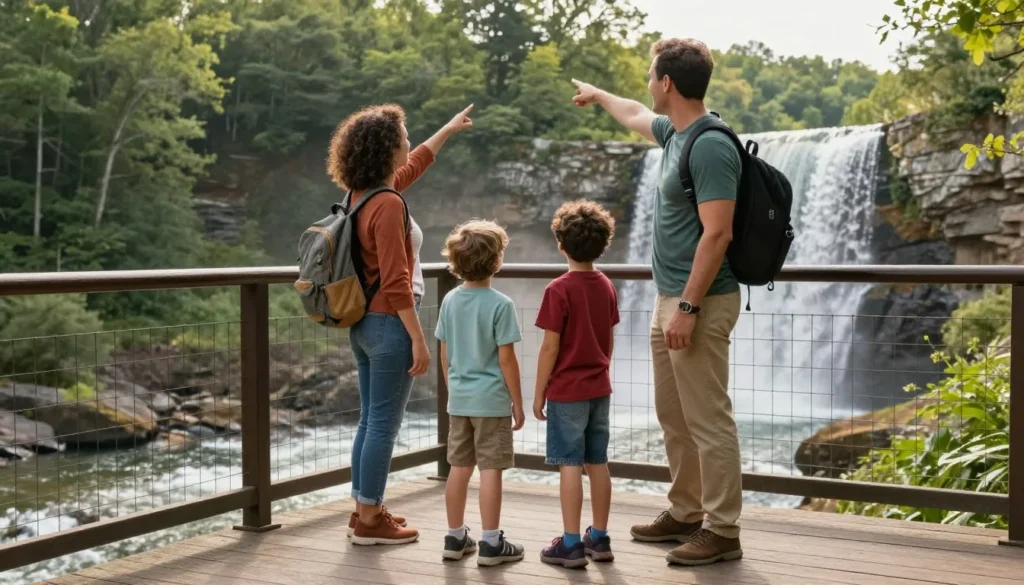
Burgess Falls State Park welcomes families with children and offers experiences suitable for various age groups. However, parents should understand trail characteristics and safety considerations before visiting.
Age-Appropriate Activities
The Upper Trail accommodates families with young children and strollers, though some sections involve moderate slopes. Toddlers enjoy pointing out wildlife, collecting interesting leaves, and listening to waterfall sounds. The relatively short distance prevents excessive fatigue in smaller children.
Elementary-age children typically handle the Upper Trail easily and may manage portions of the River Trail under close supervision. The steep descent requires careful attention, as narrow sections and drop-offs present hazards. Many families descend partway for different perspectives before returning uphill.
Teenagers often appreciate the challenge of reaching the base of falls. This accomplishment provides a sense of achievement and creates memorable family experiences. However, parents should honestly assess their own fitness levels, as children may need assistance or encouragement during the strenuous return climb.
Safety Considerations
Supervise children closely near overlook platforms and trail edges. While railings protect most viewing areas, gaps exist where curious children might squeeze through. Establish clear boundaries before beginning hikes and reinforce stay-back rules near water.
Pack adequate water and snacks for children. The combination of physical exertion and excitement depletes energy quickly. Small, frequent snack breaks maintain enthusiasm and prevent meltdowns. Trail conditions don’t accommodate children who refuse to walk, as carrying becomes impractical on steep sections.
Educational Opportunities
The park offers natural learning experiences. Discuss geological processes that created the waterfalls over thousands of years. Identify different tree species, rock formations, and animal tracks. These informal lessons create connections between children and Tennessee’s natural heritage.
Visit the park during less crowded times for more relaxed family experiences. Weekend mornings and weekday visits provide space for children to explore at their own pace without feeling rushed by other hikers.
Money Saving Tips
Visiting Burgess Falls State Park costs nothing. Tennessee state parks remain free to enter, making this destination exceptionally budget-friendly compared to many attractions.
Free Park Access
No entrance fees, parking charges, or trail permits exist. This policy allows unlimited visits without financial barriers. Families can return multiple times throughout their Tennessee vacation without additional expenses.
Accommodation Savings
Book lodging in Sparta rather than Cookeville for lower rates. The slightly longer drive saves substantial money, particularly for multi-night stays. Vacation rental cabins become cost-effective when split among families or groups, offering kitchen facilities that reduce restaurant expenses.
Visit during shoulder seasons (early spring or late fall) for reduced accommodation rates. Hotels near Interstate 40 often offer lower prices midweek compared to weekend rates.
Food Budget Strategies
Pack picnic supplies from home or purchase groceries at local supermarkets. Meals eaten at the park eliminate restaurant costs while providing scenic outdoor dining experiences. Reusable water bottles can be filled before arriving, as the park doesn’t offer concessions.
When dining out, choose plate lunch specials at local restaurants. These offerings provide generous portions at lower prices than dinner entrees. Many establishments serve identical food items at lunch and dinner, with significant price differences.
Gas Savings
Combine Burgess Falls with nearby attractions like Window Cliffs State Natural Area to maximize the value of your drive. Plan efficient routes that minimize backtracking between destinations.
Fill gas tanks in larger towns where competition keeps prices lower. Rural gas stations along Highway 111 often charge premium prices due to limited alternatives.
Safety, Etiquette & Local Customs
Respecting safety guidelines and local customs ensures positive experiences for all visitors while protecting Burgess Falls State Park for future generations.
Trail Safety
Stay on marked trails at all times. Erosion from off-trail hiking damages fragile vegetation and creates dangerous unstable slopes. The steep terrain surrounding waterfalls becomes treacherous when wet, with loose rocks and slippery surfaces causing falls.
Never climb over or around safety railings. These barriers protect visitors from serious injury or death from falls. Several tragic accidents have occurred when visitors ignored warnings to reach better photo positions.
Wear appropriate footwear with good traction. Flip-flops and smooth-soled shoes prove inadequate for trail conditions, particularly on the River Trail. Ankle support prevents injuries on uneven surfaces.
Water Safety
Swimming remains strictly prohibited throughout the park. Strong currents, submerged rocks, and cold water temperatures create deadly conditions. Despite the inviting appearance, numerous drowning incidents have occurred at Tennessee state parks with similar features.
Keep children away from water edges. The Falling Water River’s current grows deceptively strong near waterfall areas, capable of sweeping away adults in seconds. Slippery rocks near the water compound dangers.
Wildlife Etiquette
Observe wildlife from respectful distances. Never feed animals, as human food causes health problems and creates dangerous behavior patterns. Approaching wildlife for photographs stresses animals and may provoke defensive reactions.
Watch for venomous snakes during warmer months. Copperheads and timber rattlesnakes inhabit rocky areas throughout the park. Give snakes wide berth and never attempt to handle or kill them, as they play vital roles in the ecosystem.
Leave No Trace Principles
Pack out all trash, including small items like energy bar wrappers and tissues. The park provides no trash receptacles beyond the parking lot area. Leaving refuse damages the natural environment and spoils experiences for other visitors.
Stay on designated trails to prevent erosion and protect plant communities. Taking shortcuts creates new erosion channels that worsen with each passing hiker.
Southern Etiquette
Friendly greetings remain standard in Tennessee. Acknowledge fellow hikers with a smile or brief hello when passing on trails. This simple courtesy reflects local culture and enhances the welcoming atmosphere.
Move to the side when faster hikers approach from behind. Trail etiquette dictates that uphill hikers have right-of-way, though courteous descending hikers often step aside at convenient spots.
Visitor Comments About Burgess Falls
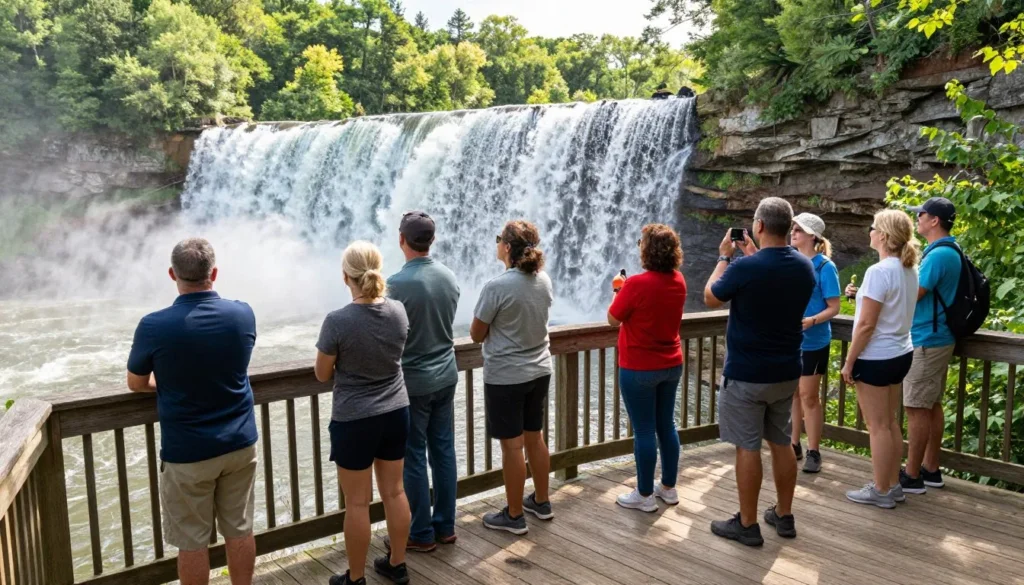
“The River Trail challenged us more than expected, but reaching the base of the main falls made every steep step worthwhile. The power and beauty of that waterfall left us speechless. Just remember to pace yourself on the climb back up.”
“We visited Burgess Falls during autumn, and the combination of colorful leaves and cascading water created absolutely magical scenes. The Upper Trail gave us fantastic views without requiring extreme fitness. A perfect Tennessee day trip that exceeded our expectations.”
“As someone from a country without dramatic waterfalls, Burgess Falls amazed me. The free admission makes this an incredible value. Arrive early to avoid crowds and bring a good camera. The photo opportunities at every overlook are outstanding.”
Additional Nearby Destinations
Burgess Falls serves as an excellent anchor for exploring Middle Tennessee’s natural attractions. Several remarkable destinations lie within easy driving distance, allowing visitors to create comprehensive outdoor itineraries.
Cummins Falls State Park
Located 29 kilometers (18 miles) southwest, Cummins Falls features Tennessee’s eighth-highest waterfall at 23 meters (75 feet). Unlike Burgess Falls, swimming is permitted in the pool below Cummins Falls during summer months, though visitors must navigate a challenging boulder-strewn gorge to reach it.
Rock Island State Park
This 384-hectare (950-acre) park sits 32 kilometers (20 miles) southwest and offers diverse activities beyond waterfall viewing. Rock Island features multiple cascades, developed campgrounds, and the historic Great Falls Dam. The Caney Fork River provides excellent fishing and kayaking opportunities.
Center Hill Lake
This massive reservoir extends northwest of Burgess Falls, offering water recreation contrast to rushing river environments. Boating, fishing, and swimming beaches attract visitors during warmer months. Edgar Evins State Park on the lake’s eastern shore provides camping and marina facilities.
Virgin Falls State Natural Area
Adventurous hikers appreciate this remote destination 53 kilometers (33 miles) east. The 13-kilometer (8-mile) round-trip hike leads to a unique underground waterfall that emerges from one cave and disappears into another. This challenging trail requires full-day commitment and substantial fitness levels.
Practical Travel Tips
These practical considerations help visitors maximize their Burgess Falls experience while avoiding common pitfalls.
Timing Your Visit
Arrive before 9:00 AM on weekends and holidays to secure parking lot spaces. The small lot fills completely by mid-morning during peak seasons, forcing late arrivals to park along the road and walk additional distances.
Allocate at least two hours for exploring the park. The Upper Trail requires 45 minutes to one hour, while adding the River Trail extends visits to three hours or more. Photography enthusiasts often spend entire mornings capturing different lighting conditions.
What to Bring
- Sturdy hiking boots or trail shoes with aggressive tread
- At least one liter of water per person, more in summer
- Energy snacks for maintaining stamina on steep trails
- First aid supplies including bandages and pain relievers
- Sunscreen and insect repellent during warmer months
- Rain jacket regardless of forecast predictions
- Camera with fresh batteries and adequate storage
- Trash bags for packing out all refuse
Cell Phone and Connectivity
Cell service remains generally reliable in parking areas but becomes spotty along trails and in the gorge. Download offline maps before arrival. Inform someone of your plans and expected return time, particularly when hiking alone.
Accessibility Considerations
The Upper Trail accommodates visitors with moderate mobility limitations, though some slopes and uneven surfaces present challenges. Wheelchairs with robust tires navigate most of this path with assistance. The River Trail remains inaccessible to anyone with significant mobility restrictions due to steep grades and rough terrain.
Restroom Facilities
Basic restrooms operate near the parking lot area. These facilities offer minimal amenities but provide necessary services. No facilities exist along trails, so plan accordingly before beginning hikes.
Pet Policies
Leashed dogs are welcome on all trails. However, the River Trail’s difficulty challenges many dogs, particularly on the steep return climb. Owners must clean up after pets and keep them controlled around other visitors and wildlife.
Emergency Contacts
For park emergencies, contact Tennessee State Parks emergency services. Cell service allows calling 911 from most locations within the park. The nearest hospital sits in Cookeville, approximately 30 minutes from the park entrance.
Your Tennessee Adventure Awaits
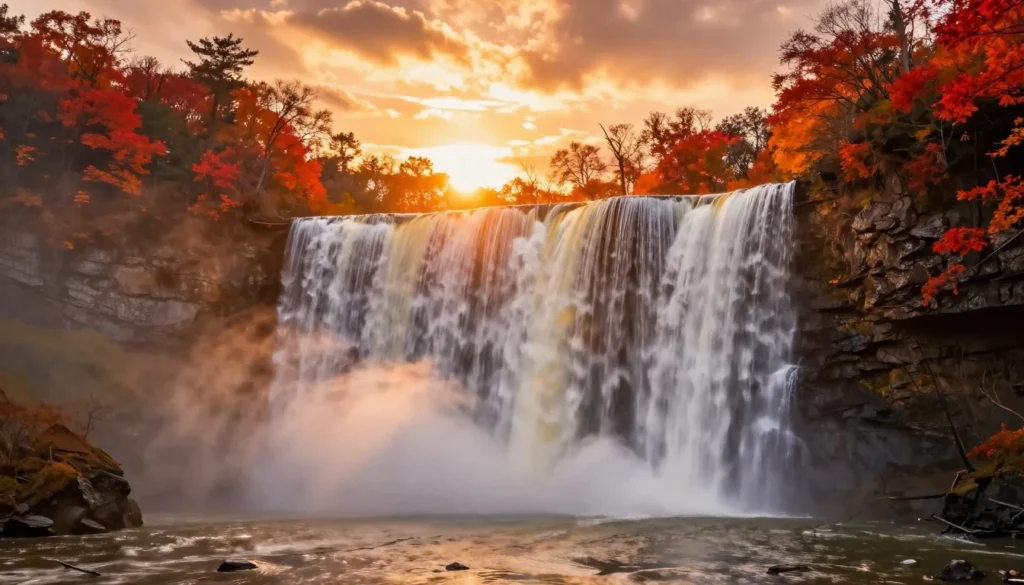
Burgess Falls stands as one of Tennessee’s most rewarding natural destinations. The combination of spectacular waterfalls, accessible hiking trails, and pristine forest environments creates experiences that resonate long after visits conclude.
Whether you spend an hour at overlook platforms or invest a full day exploring every trail, Burgess Falls delivers authentic connections with Middle Tennessee’s natural heritage. The crashing water, ancient rock formations, and thriving ecosystems remind us why protecting these special places matters.
Pack your hiking boots, charge your camera, and prepare for an unforgettable journey. Burgess Falls Tennessee awaits your discovery, ready to inspire, challenge, and reward visitors with memories that last a lifetime. This remarkable state park proves that some of life’s most spectacular experiences come without admission fees or complicated logistics.