Hotels by Trip.com
Flights by Trip.com
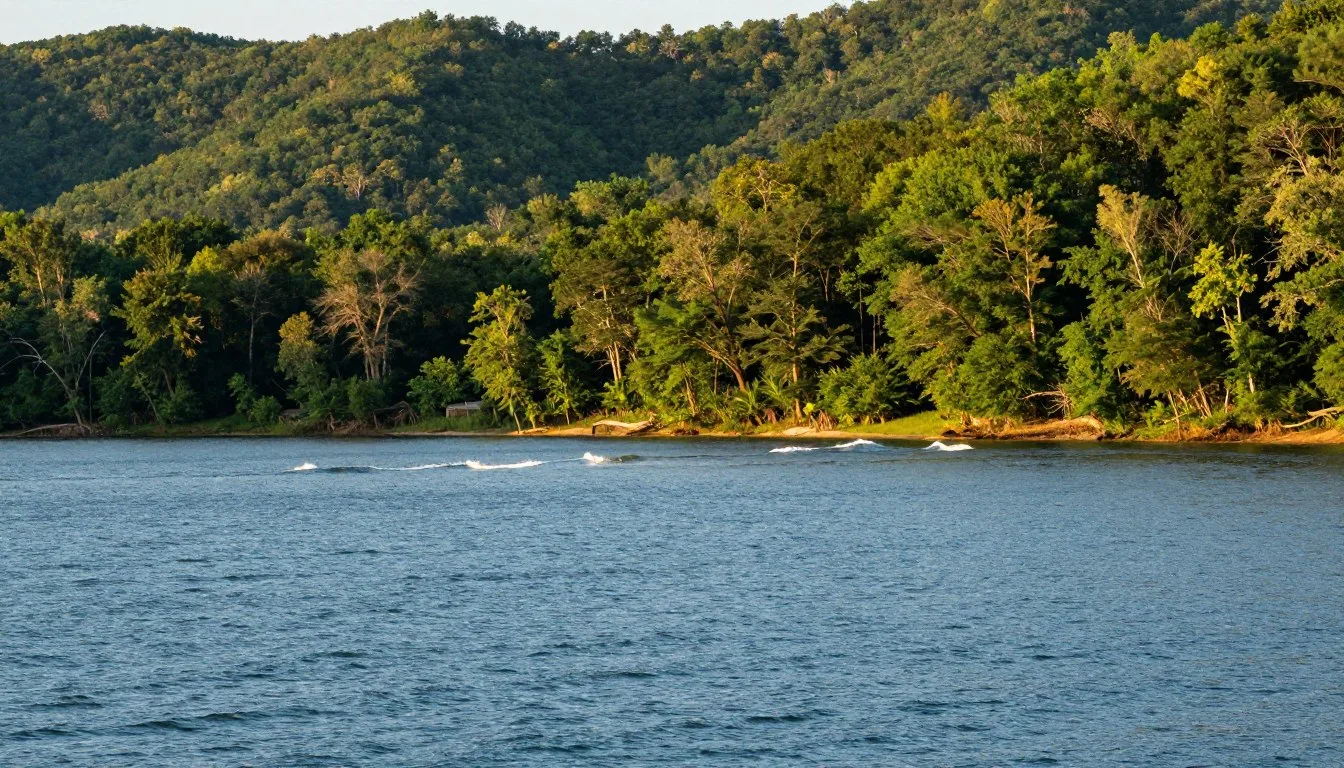
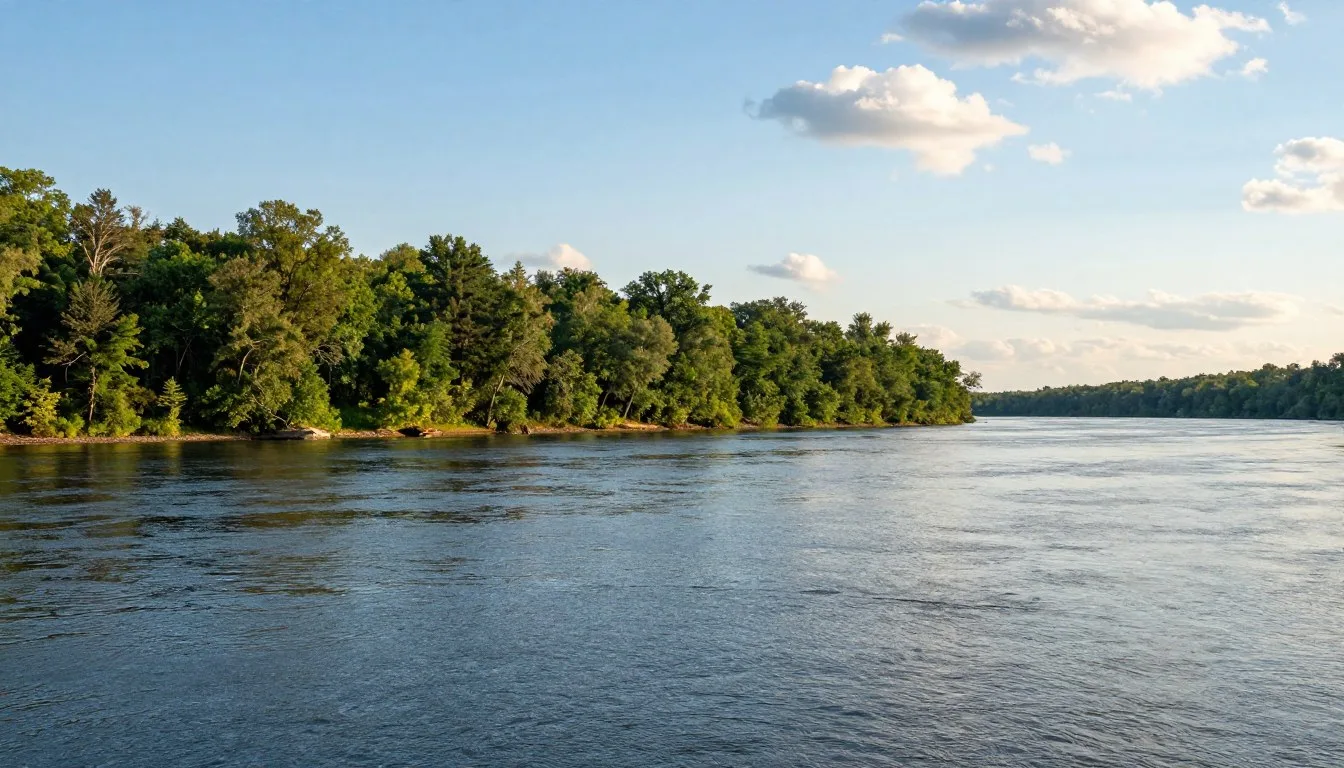
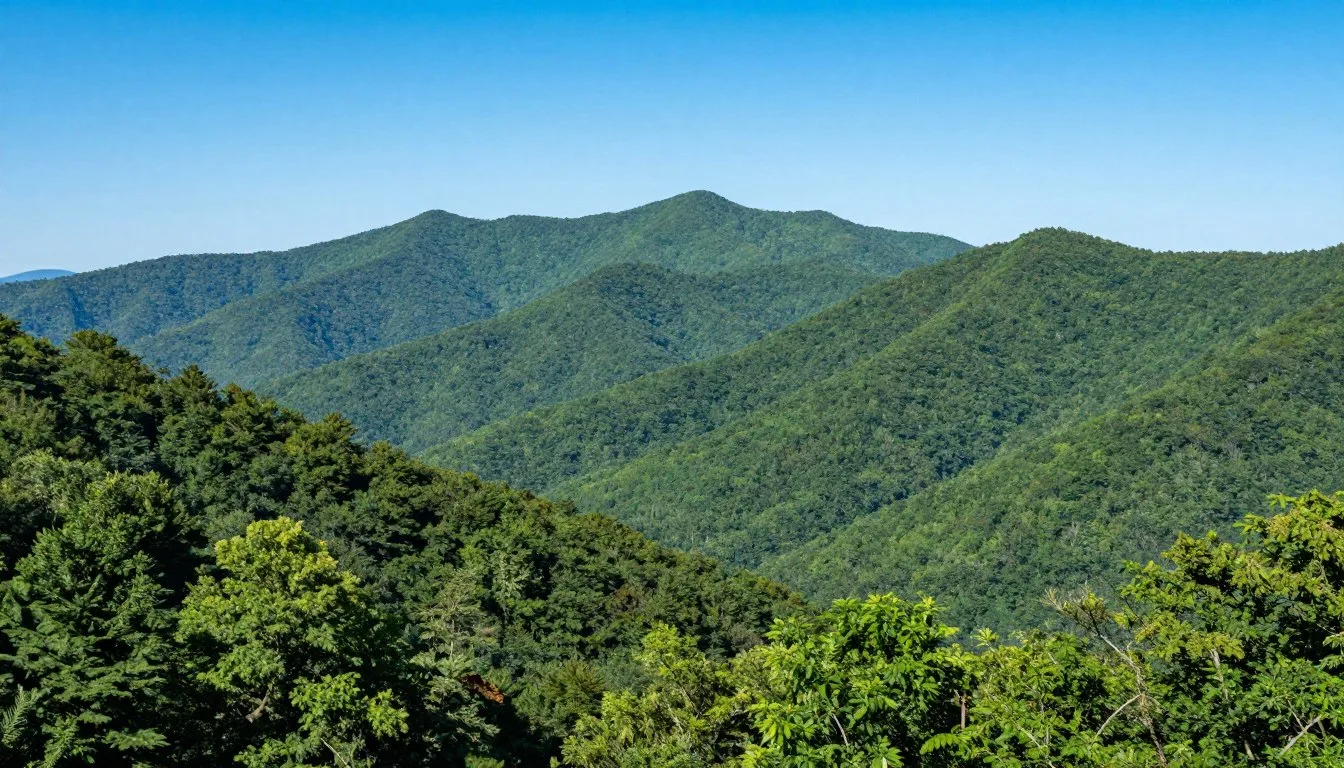
Over 300 bald eagles descend upon this remote Tennessee wilderness each winter, creating one of the most spectacular wildlife viewing opportunities in the southeastern United States. Busseltown Islands, part of the Tennessee National Wildlife Refuge, represents a pristine ecosystem where the Tennessee River creates a haven for migratory birds and year-round wildlife.
The area takes its name from the historic Busseltown community that once thrived along these fertile river bottoms before the creation of Kentucky Lake transformed the landscape forever. Today, this protected sanctuary offers visitors a rare glimpse into unspoiled natural Tennessee.
Whether you seek world-class birdwatching, peaceful hiking trails, or simply a quiet escape into nature, Busseltown Islands delivers an authentic Tennessee wilderness experience far from crowded tourist destinations.
Getting There and Planning Your Journey
Busseltown Islands sits in western Tennessee along Kentucky Lake, approximately 161 kilometers (100 miles) west of Nashville. The refuge spans portions of Henry, Benton, and Humphreys counties, offering multiple access points for visitors.
The closest major airport is Nashville International Airport, located about 145 kilometers (90 miles) east. Memphis International Airport provides an alternative option, positioned roughly 209 kilometers (130 miles) southwest of the refuge.
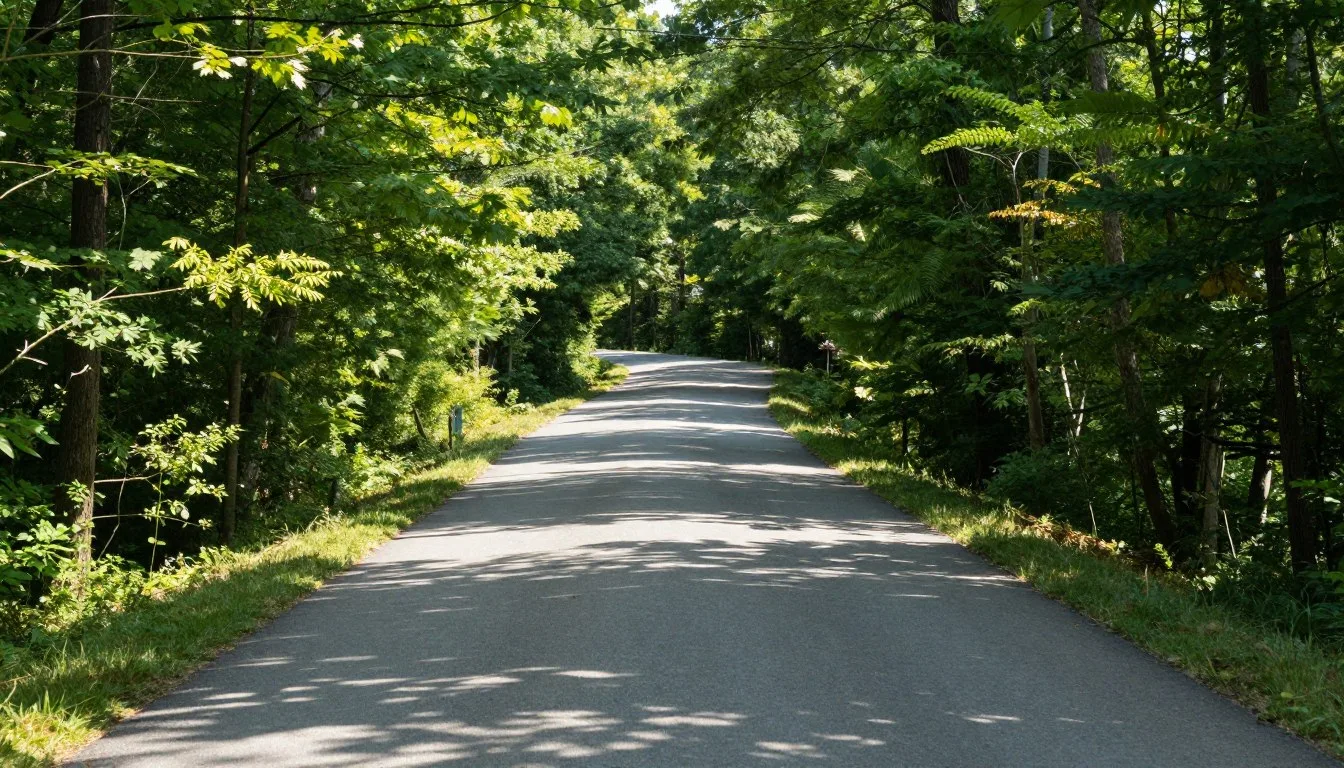
From Nashville, take Interstate 40 west to US Highway 641 south. Follow signs toward New Johnsonville and Paris Landing State Park. The Big Sandy Unit, one of the main refuge areas, lies just north of Paris Landing.
Rental cars offer the most flexibility for exploring multiple units of the national wildlife refuge. Plan for at least a two-hour drive from Nashville, accounting for scenic routes along country roads.
Best Time to Visit and Weather Tips
Spring and fall provide optimal conditions for visiting Busseltown Islands and the broader Tennessee National Wildlife Refuge. April through May brings migrating songbirds and comfortable temperatures ranging from 15°C to 24°C (59°F to 75°F).
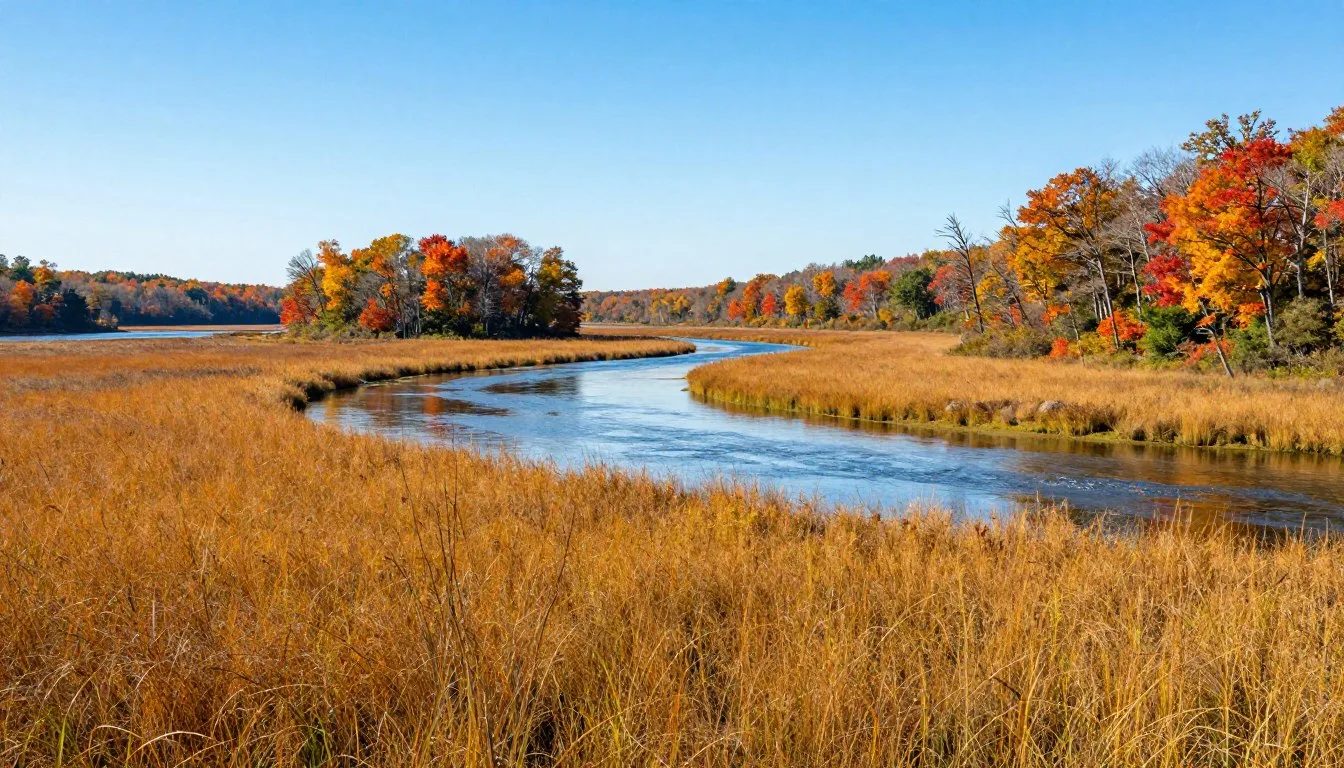
September through November offers spectacular fall colors and the arrival of early migratory waterfowl. Temperatures during autumn typically range from 10°C to 22°C (50°F to 72°F), creating perfect hiking conditions.
Best Months to Visit
- April to May – Spring migration peak
- September to November – Fall colors and bird arrivals
- December to February – Bald eagle viewing season
- March – Wildflower emergence
Months to Avoid
- July to August – High heat and humidity
- Late November to March – Some areas closed
- Peak summer – Mosquito populations high
- Heavy rain periods – Trail flooding possible
Winter visitors should note that the Duck River Unit and portions of the Big Sandy Unit remain closed November through March to protect waterfowl during critical wintering periods. However, the Busseltown Unit stays open year-round, providing excellent eagle watching opportunities.
Summer temperatures can soar above 32°C (90°F) with high humidity. If visiting during warmer months, plan activities for early morning or late afternoon hours.
Notable Annual Festivals
The Tennessee River Valley hosts several celebrations that coincide beautifully with refuge visits. The Eagle Watch Bus Tours run throughout January and February, though specific dates vary annually.
Contact the Tennessee National Wildlife Refuge Visitor Center at (731) 642-2091 for current festival information and eagle watching tour schedules. The Paris Landing State Park also coordinates seasonal events that complement refuge activities.
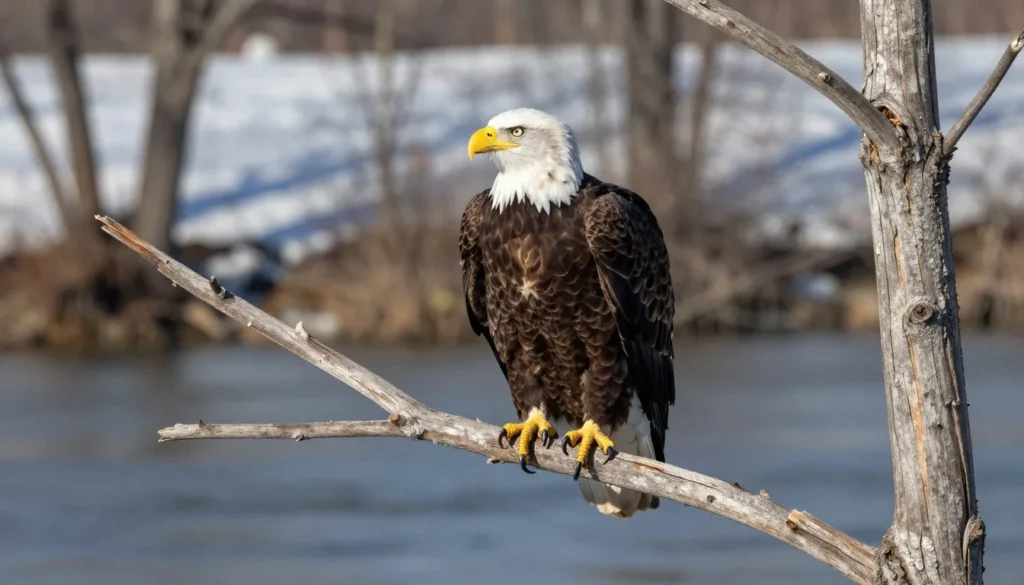
Local communities around Kentucky Lake celebrate the Eagle Festival each February in nearby towns, featuring guided viewing opportunities and educational programs about these magnificent birds.
Getting Around Locally
Personal vehicles provide the primary transportation method for exploring the Tennessee National Wildlife Refuge and Busseltown Islands area. The refuge encompasses multiple units spread across three counties, making a car essential.
The Big Sandy Unit features a 12.9-kilometer (8-mile) auto tour route that winds through diverse habitats. Visitors can stop at designated pullouts for wildlife viewing and photography without leaving their vehicles.
Gravel roads access most trails and observation points throughout the refuge. These maintained routes accommodate standard passenger vehicles, though high-clearance vehicles prove advantageous after heavy rains.
Bicycles offer an enjoyable alternative on the refuge’s quieter roads and designated trails. The level terrain and scenic beauty make cycling particularly appealing during spring and fall months.
Water access points throughout the refuge allow visitors with boats to explore Kentucky Lake and the Tennessee River from unique perspectives. Several boat launches serve the area, including facilities at Paris Landing State Park.
Where to Stay
Paris Landing State Park provides the closest accommodations to Busseltown Islands, located just minutes from the Big Sandy Unit. The park offers a full-service inn with 130 rooms overlooking Kentucky Lake.
The park also features cabin rentals that sleep up to eight guests, perfect for families or groups. Modern amenities include full kitchens, screened porches, and proximity to hiking trails.
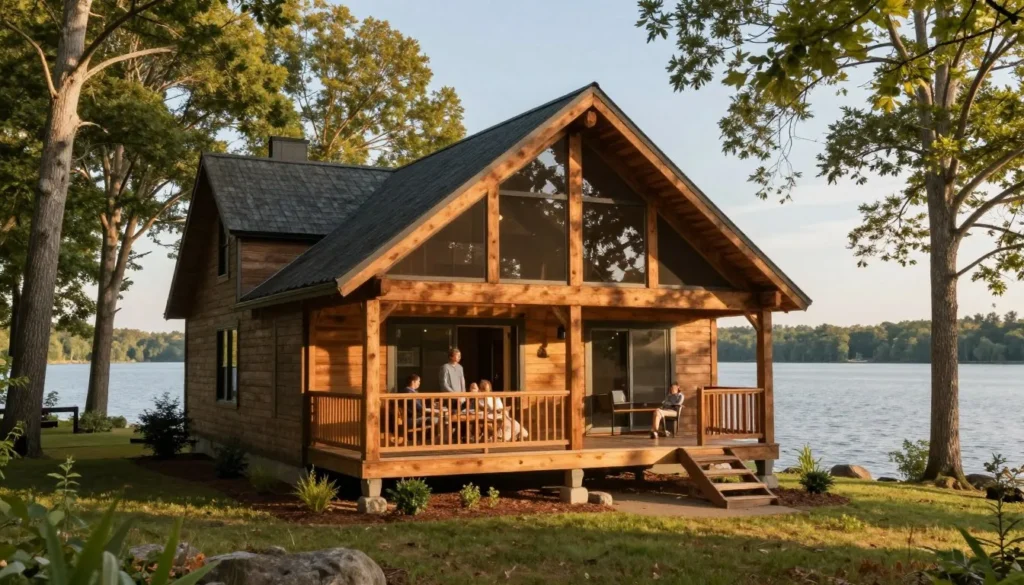
Campground facilities at Paris Landing State Park accommodate RVs and tent campers. Sites include water and electrical hookups, with modern bathhouses nearby.
New Johnsonville offers several budget-friendly motels and bed-and-breakfast options within 24 kilometers (15 miles) of the refuge. These family-run establishments provide personalized service and local knowledge.
Camden, situated east of the refuge, presents additional lodging choices including chain hotels and lakeside vacation rentals. The town sits approximately 32 kilometers (20 miles) from the Duck River Unit.
Dining and Local Cuisine
Local restaurants around the Tennessee National Wildlife Refuge showcase classic southern cooking and fresh catfish from Tennessee River waters. Family-owned establishments dominate the dining scene, offering authentic regional flavors.
Paris Landing State Park operates a restaurant serving breakfast, lunch, and dinner with panoramic lake views. The menu features Tennessee staples including fried catfish, country ham, and homemade biscuits.
New Johnsonville hosts several casual dining spots specializing in barbecue and southern comfort food. Expect generous portions of pulled pork, smoked ribs, and traditional sides like coleslaw and baked beans.

Visitors should try locally caught catfish, prepared either fried or grilled. Many restaurants source fish directly from Kentucky Lake, ensuring exceptional freshness.
Sweet tea flows freely throughout the area, served in generous portions at nearly every establishment. Southern hospitality extends to dining experiences, with friendly service and unhurried meals.
For picnic supplies, stock up in Camden or New Johnsonville before heading to the refuge. Several grocery stores carry sandwich fixings, snacks, and beverages perfect for outdoor dining.
Attractions, Sightseeing and Activities
The Tennessee National Wildlife Refuge spans over 20,234 hectares (50,000 acres) across three main units, each offering distinct experiences. Busseltown Unit provides year-round access for wildlife viewing and photography.
Bald eagles represent the star attraction from December through February. These magnificent birds congregate along Kentucky Lake and the Tennessee River to feed on winter fish populations. The Childs observation deck offers prime eagle viewing with spotting scopes available.
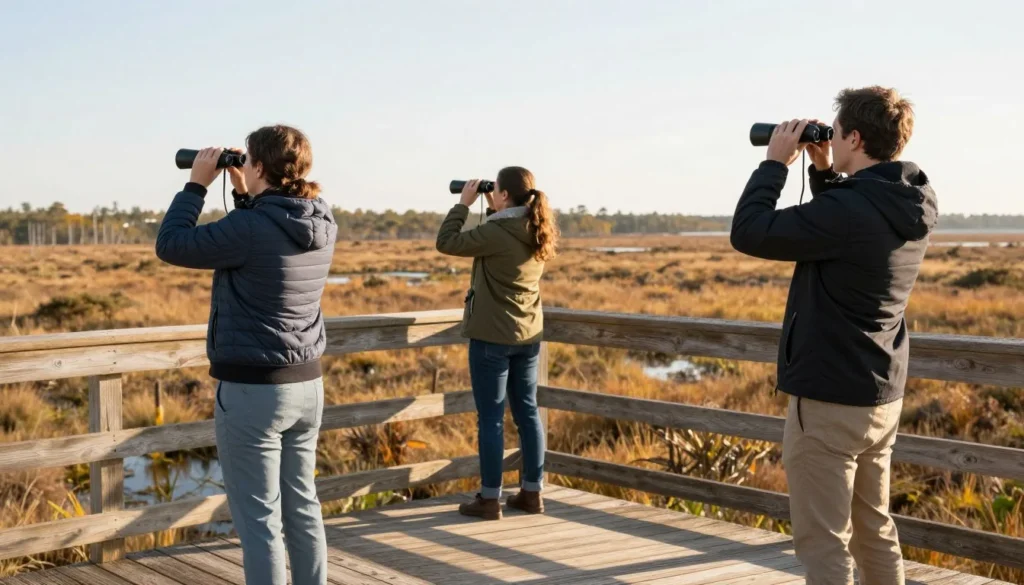
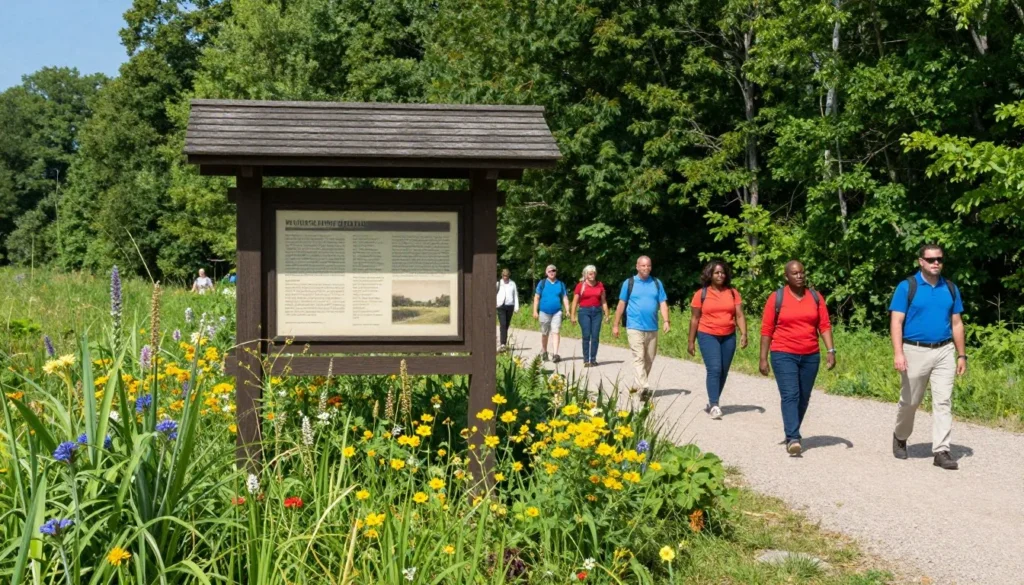
The Big Sandy Unit features the Britton Ford hiking trail, a moderate 4.8-kilometer (3-mile) loop through bottomland hardwood forests. Interpretive signs along the path explain the area’s ecology and wildlife.
Wildlife photography opportunities abound throughout the refuge. White-tailed deer, wild turkeys, and numerous waterfowl species provide subjects for both amateur and professional photographers.
The Duck River Unit, open from April through October, showcases the confluence where the Duck River meets the Tennessee River. This area attracts spring migrants and offers excellent bird diversity.
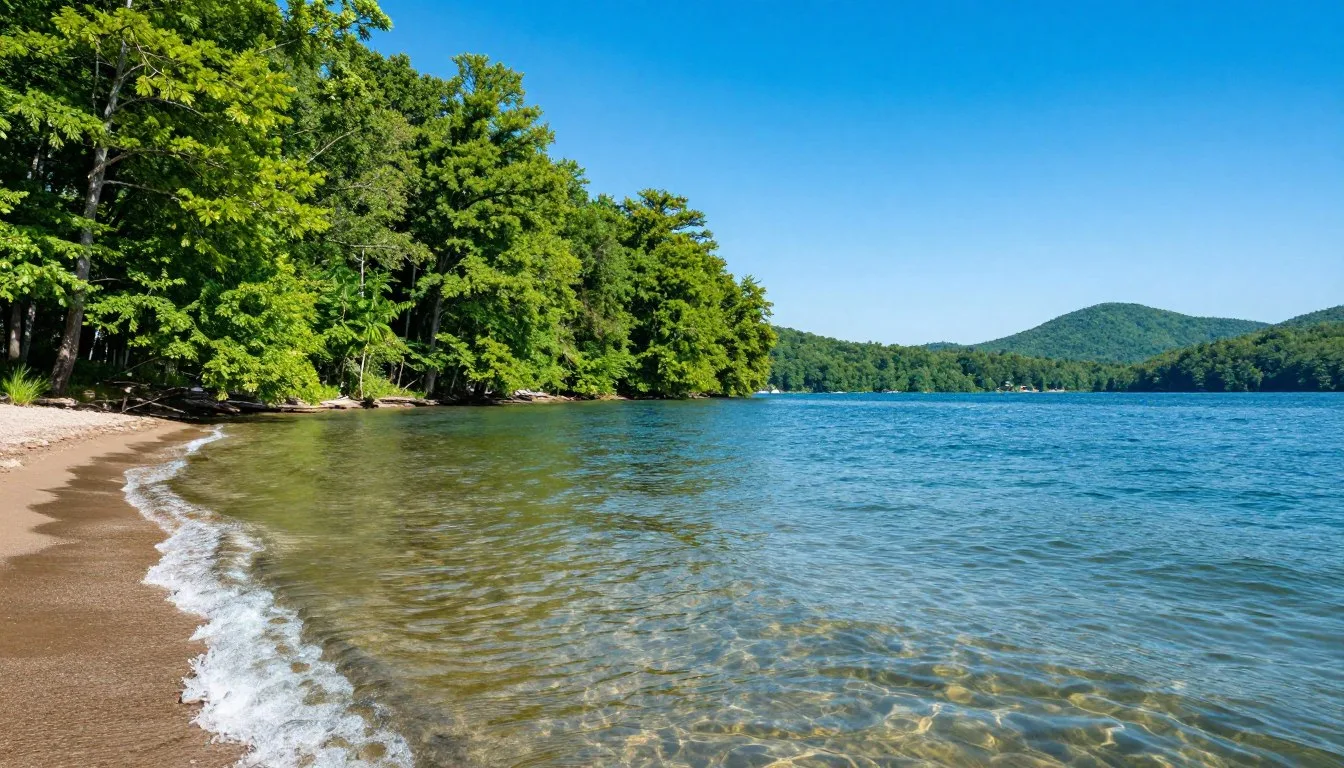
Kentucky Lake provides endless recreational opportunities adjacent to the refuge. Fishing for crappie, bass, and catfish remains popular year-round, with the lake covering approximately 64,750 hectares (160,000 acres).
Museums, Cultural Spots and Festivals
The Tennessee National Wildlife Refuge Visitor Center serves as the primary educational facility for the area. Located near the Big Sandy Unit, the center features exhibits about local wildlife, habitat management, and conservation efforts.
Contact the visitor center at (731) 642-2091 for current hours and program schedules. Staff members provide maps, bird checklists, and recommendations for current viewing hotspots.

Nearby towns preserve Tennessee River Valley heritage through small historical museums and preservation societies. Camden’s courthouse square features historic architecture dating to the mid-1800s.
Paris Landing State Park hosts seasonal programs including guided nature walks, campfire programs, and Junior Ranger activities. These free programs run primarily during summer months and holiday weekends.
The Eagle Festival in February brings together conservation organizations, wildlife photographers, and nature enthusiasts. Guided bus tours depart from various locations, offering expert commentary about eagle behavior and habitat.
Nature and Outdoor Experiences
Birdwatching ranks as the premier outdoor activity at Busseltown Islands and throughout the Tennessee National Wildlife Refuge. Over 300 bird species have been documented across the refuge’s diverse habitats.
Winter months bring spectacular concentrations of waterfowl including mallards, Canada geese, and various duck species. The refuge supports tens of thousands of wintering birds from November through March.
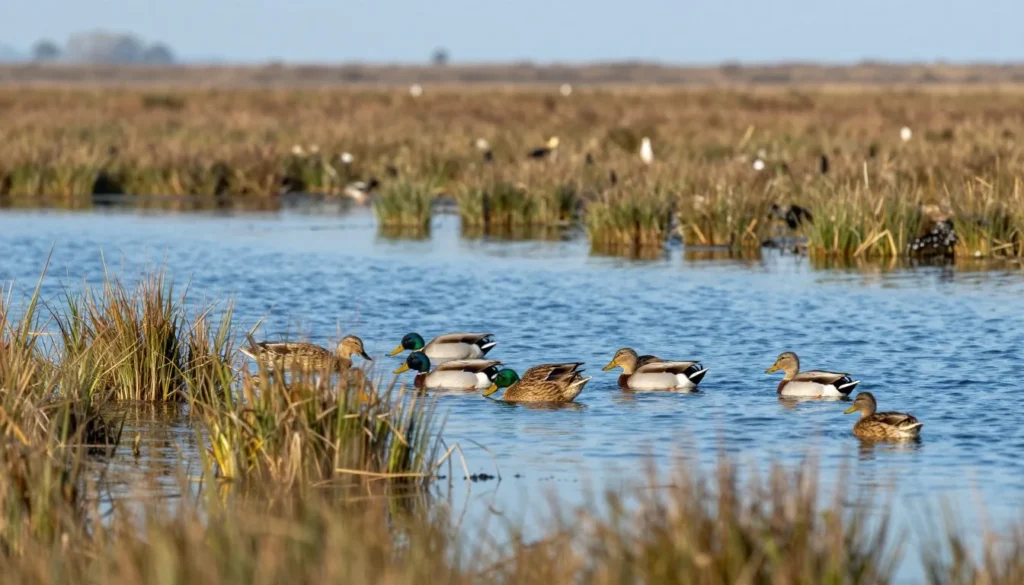
Spring migration from April to May creates another peak viewing period. Warblers, vireos, thrushes, and other neotropical migrants pass through in waves, delighting birders with colorful plumage and active foraging.
Hiking trails throughout the refuge range from easy walks to more challenging routes. The Big Sandy Unit offers the most developed trail system, with paths winding through bottomland forests and along wetland edges.
Photography blinds at strategic locations allow close approaches to wildlife without disturbance. These structures provide shelter during inclement weather while offering unobstructed views of feeding areas.
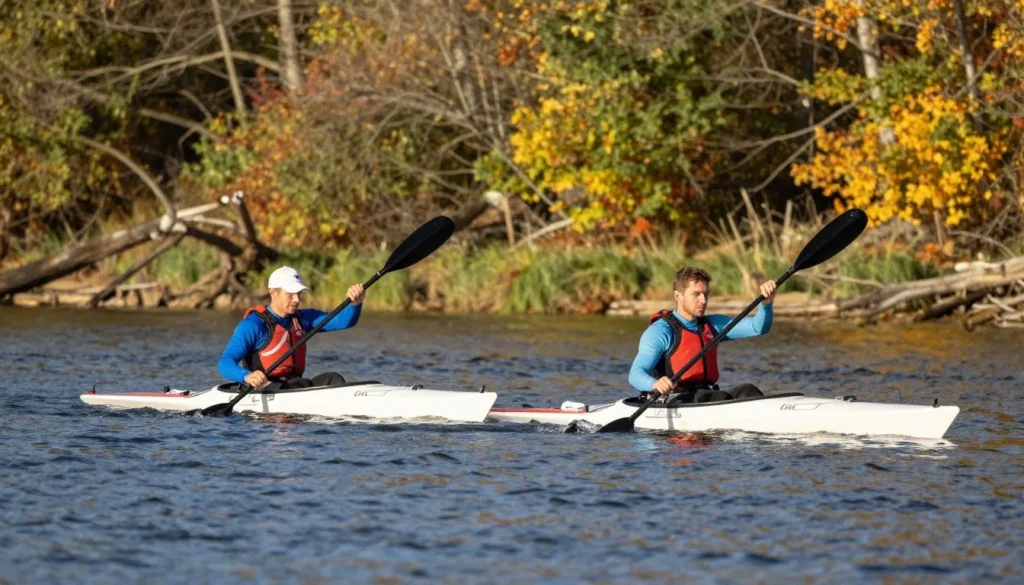
Kayaking and canoeing on Kentucky Lake and refuge waterways offer peaceful perspectives on the landscape. Paddlers can explore quiet coves and backwaters inaccessible by land, though maximum three kayaks should paddle together for safety.
Fishing from shore or boat provides relaxation and potential meals. Anglers target largemouth bass, crappie, bluegill, and the famous Tennessee River catfish throughout the year.
Travel With Children
Busseltown Islands and the Tennessee National Wildlife Refuge offer excellent family-friendly experiences that introduce children to nature and wildlife conservation. The level terrain and accessible trails accommodate strollers and young walkers.
The visitor center provides Junior Ranger activity books appropriate for various age groups. Children complete activities during their visit and receive badges, creating memorable keepsakes.

Birdwatching appeals to children when approached as a treasure hunt. Provide young visitors with binoculars and field guides, challenging them to spot specific species. Ducks and geese prove easiest for beginners.
The playground and swimming beach at Paris Landing State Park complement wildlife viewing with traditional recreation. These facilities offer breaks from quiet observation activities.
Pack snacks and drinks since limited services exist within the refuge itself. Picnic areas provide shaded tables where families can rest and refuel between exploration.
Spring visits allow children to see baby animals and observe nesting behaviors. Goslings, ducklings, and fawns create excitement while teaching about wildlife life cycles.
Money Saving Tips
Visiting the Tennessee National Wildlife Refuge costs nothing. All units remain free to enter, with no admission fees or parking charges throughout the year.
Pack your own meals and snacks rather than relying on restaurants. Picnic facilities throughout the refuge provide pleasant settings for budget-friendly dining amid natural beauty.
- Visit during free program days at the visitor center for guided walks and educational talks
- Bring your own binoculars and field guides instead of renting equipment
- Camp at Paris Landing State Park rather than booking hotel rooms
- Fish with a Tennessee license for fresh, free meals
- Download free bird checklists and maps from the refuge website before your visit
- Fill up gas tanks in larger towns where prices run lower
Shoulder seasons offer the best value for accommodations. Spring and fall lodging rates typically run lower than summer peak periods while providing superior wildlife viewing.
State park cabins accommodate larger groups economically when costs split among multiple families. Full kitchens allow meal preparation, reducing restaurant expenses significantly.
Many excellent photo opportunities require no special equipment. Modern smartphone cameras capture quality images of wildlife and landscapes without investing in expensive gear.
Safety and Local Customs
The Tennessee National Wildlife Refuge presents minimal safety concerns for visitors who follow basic outdoor precautions. Trails remain well-maintained and clearly marked throughout accessible areas.
Tick awareness proves essential during warmer months. Wear long pants tucked into socks when walking through tall grass. Check thoroughly for ticks after outdoor activities.
Venomous snakes including copperheads and cottonmouths inhabit the refuge. Watch where you step and place your hands. Give snakes space and they will typically retreat.
Important Safety Reminders: Stay on designated trails to protect both yourself and sensitive habitats. Hunting occurs in designated areas during specific seasons – wear bright colors during fall and winter visits. Weather can change quickly – bring rain gear and check forecasts before departing.
Cell phone coverage remains spotty throughout much of the refuge. Inform someone of your plans before visiting remote areas and carry basic emergency supplies.
Local customs emphasize friendly interactions and respect for nature. Wave to other visitors and wildlife watchers. Keep voices low near observation areas to avoid disturbing animals.
Leave no trace principles apply throughout the refuge. Pack out all trash, stay on trails, and leave natural objects undisturbed for others to enjoy.
Visitor Comments About Busseltown Islands
“The eagle viewing exceeded all expectations. We saw at least fifteen bald eagles in a single morning at the Big Sandy Unit. The observation deck provided perfect views, and the volunteer naturalist shared fascinating information about eagle behavior. This place feels like a well-kept secret.”
“As a photographer visiting from France, I found the Tennessee National Wildlife Refuge absolutely magnificent. The diversity of birds and the peaceful atmosphere created perfect conditions for nature photography. The fall colors reflecting in the wetlands produced stunning images. I will definitely return.”
“Our family spent three days exploring different parts of the refuge. The children loved spotting deer and turkeys along the trails. The visitor center staff provided excellent guidance about where to see the most wildlife. Paris Landing State Park made a perfect base for our adventures.”
Additional Nearby Destinations
Land Between the Lakes National Recreation Area lies approximately 48 kilometers (30 miles) north of Busseltown Islands. This 68,797-hectare (170,000-acre) peninsula offers additional outdoor recreation including elk viewing, extensive trail systems, and historical sites.
Nathan Bedford Forrest State Park preserves Civil War history and natural beauty along Kentucky Lake. The park features hiking trails, a museum, and scenic overlooks just 16 kilometers (10 miles) from the refuge.
Pinson Mounds State Archaeological Park, located 64 kilometers (40 miles) southwest, protects Native American ceremonial mounds dating back over 2,000 years. The site includes a museum and nature trails through archaeological features.
Reelfoot Lake, approximately 113 kilometers (70 miles) northwest, provides another premier birdwatching destination. This natural lake formed during the New Madrid earthquakes of 1811-1812 and supports bald eagles, waterfowl, and unique cypress swamps.
The city of Jackson offers urban amenities including shopping, dining, and cultural attractions about 80 kilometers (50 miles) east. Day trips combine refuge visits with city conveniences.
Practical Travel Tips
Bring quality binoculars for wildlife viewing. Even budget models significantly enhance observations of distant birds and animals. Spotting scopes prove valuable for serious birders but remain optional.
Download the refuge bird checklist before your visit to track species observed. This free resource helps identify common and rare species throughout the seasons.
Dress in layers regardless of season. Morning temperatures can feel cool even during summer, while afternoons warm considerably. Waterproof outer layers protect against sudden rain showers.
Essential Items to Pack
- Insect repellent (especially April through October)
- Sunscreen and hat for sun protection
- Reusable water bottles
- Field guides for birds and wildflowers
- Camera with zoom lens for wildlife
- Comfortable walking shoes with good traction
Best Times for Activities
- Early morning (dawn to 9 AM) for peak bird activity
- Late afternoon for deer and turkey sightings
- Midday for butterfly and dragonfly observation
- Overcast days for photography (softer light)
- Winter afternoons for eagle activity near water
- Spring evenings for chorus frog concerts
Stop at the visitor center first during any visit. Staff provide current wildlife sighting information, trail conditions, and seasonal highlights that maximize your experience.
Respect seasonal closures protecting wildlife during critical periods. These restrictions ensure healthy populations for future generations while maintaining quality viewing opportunities in open areas.
Location Map
Your Tennessee Wilderness Adventure Awaits
Busseltown Islands and the Tennessee National Wildlife Refuge represent Tennessee’s wild heart, where eagles soar and nature thrives undisturbed. From the peaceful trails winding through bottomland forests to the spectacular winter gatherings of bald eagles, this protected sanctuary offers experiences that reconnect visitors with the natural world.
Whether you spend a single afternoon watching waterfowl from an observation deck or dedicate several days to exploring multiple refuge units, you will discover why this area captivates nature enthusiasts year after year. The combination of accessible wildlife viewing, diverse habitats, and unspoiled beauty creates memories that endure long after you return home.
Pack your binoculars, lace up your hiking boots, and prepare to experience one of Tennessee’s most remarkable natural treasures. The wildlife is waiting, the trails beckon, and your adventure into authentic Tennessee wilderness begins now.